THE FASHION ARCHIVE
Between the return of The Devil Wears Prada conversations and this week’s Met Gala red carpet spectacle, we’ve found ourselves fixated on a different side of fashion entirely — the archive. Not the runway, not the front row. The back rooms.
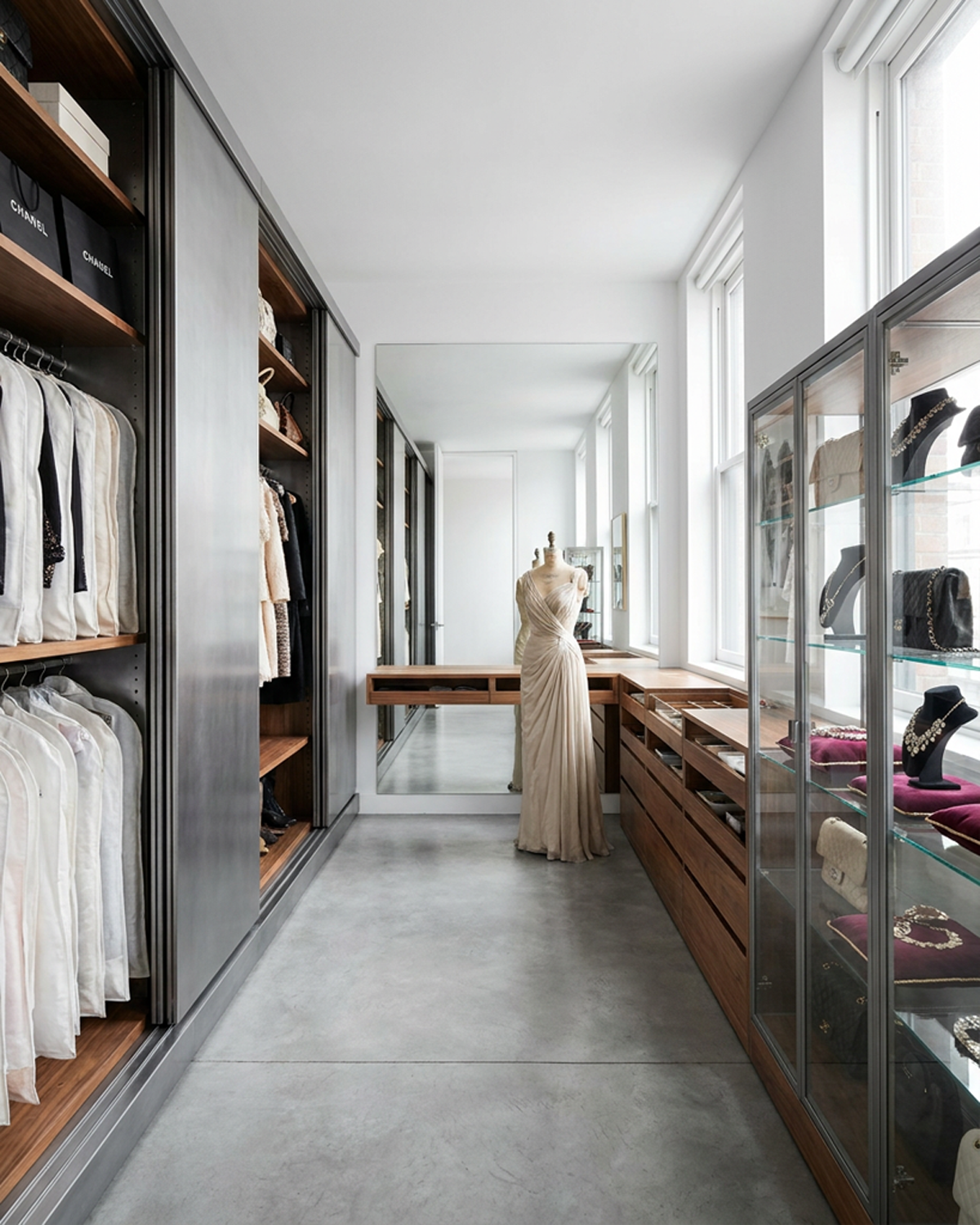
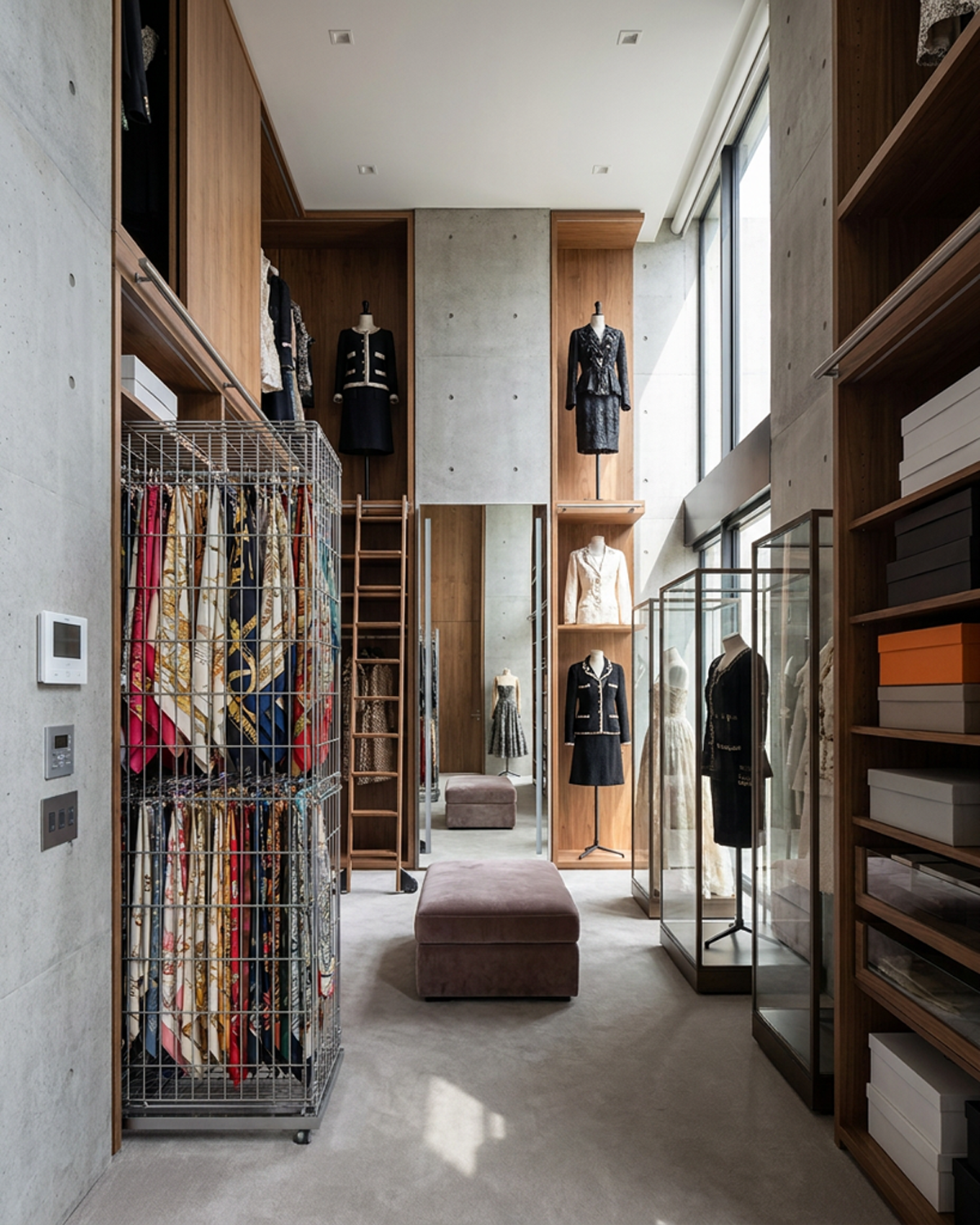
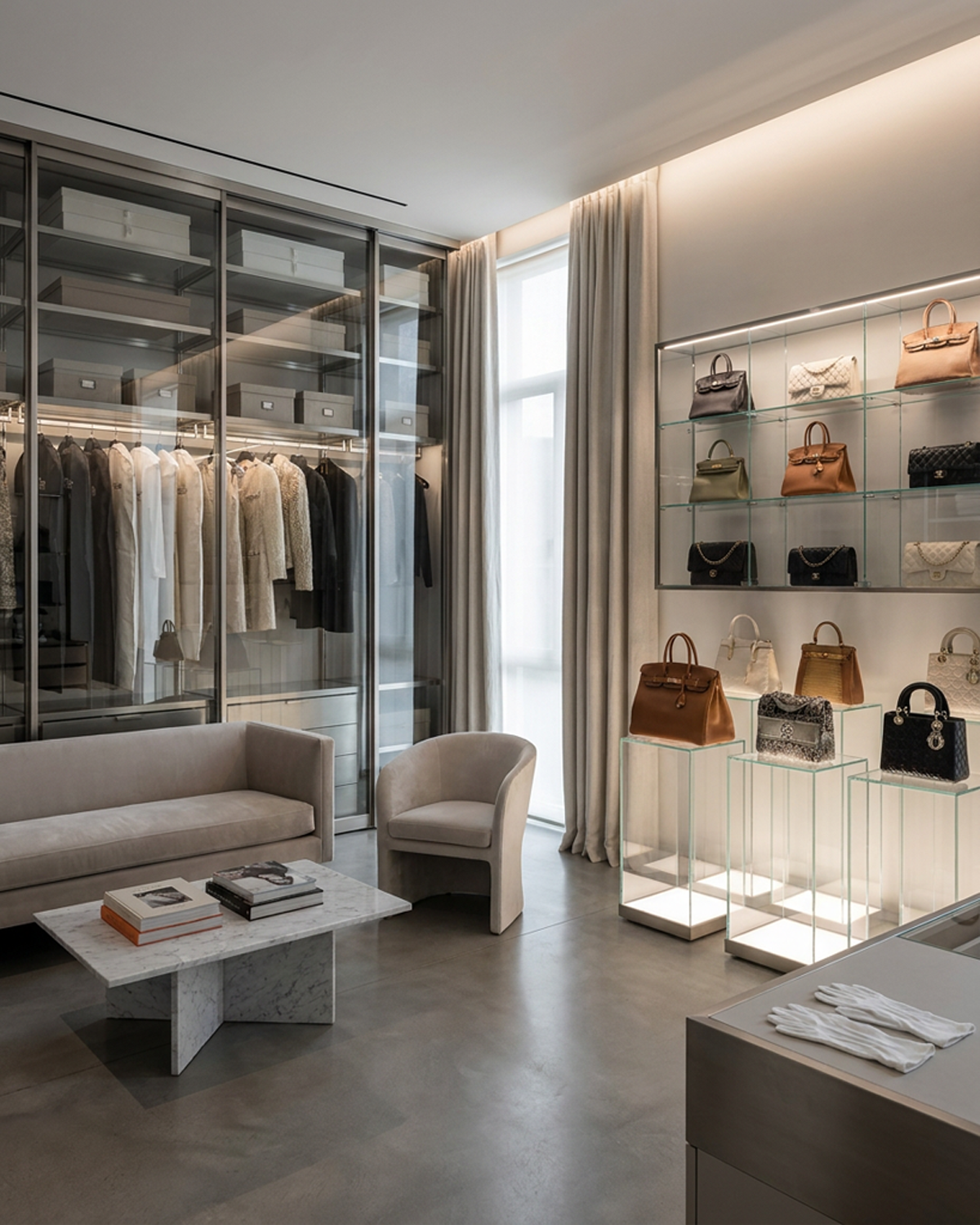
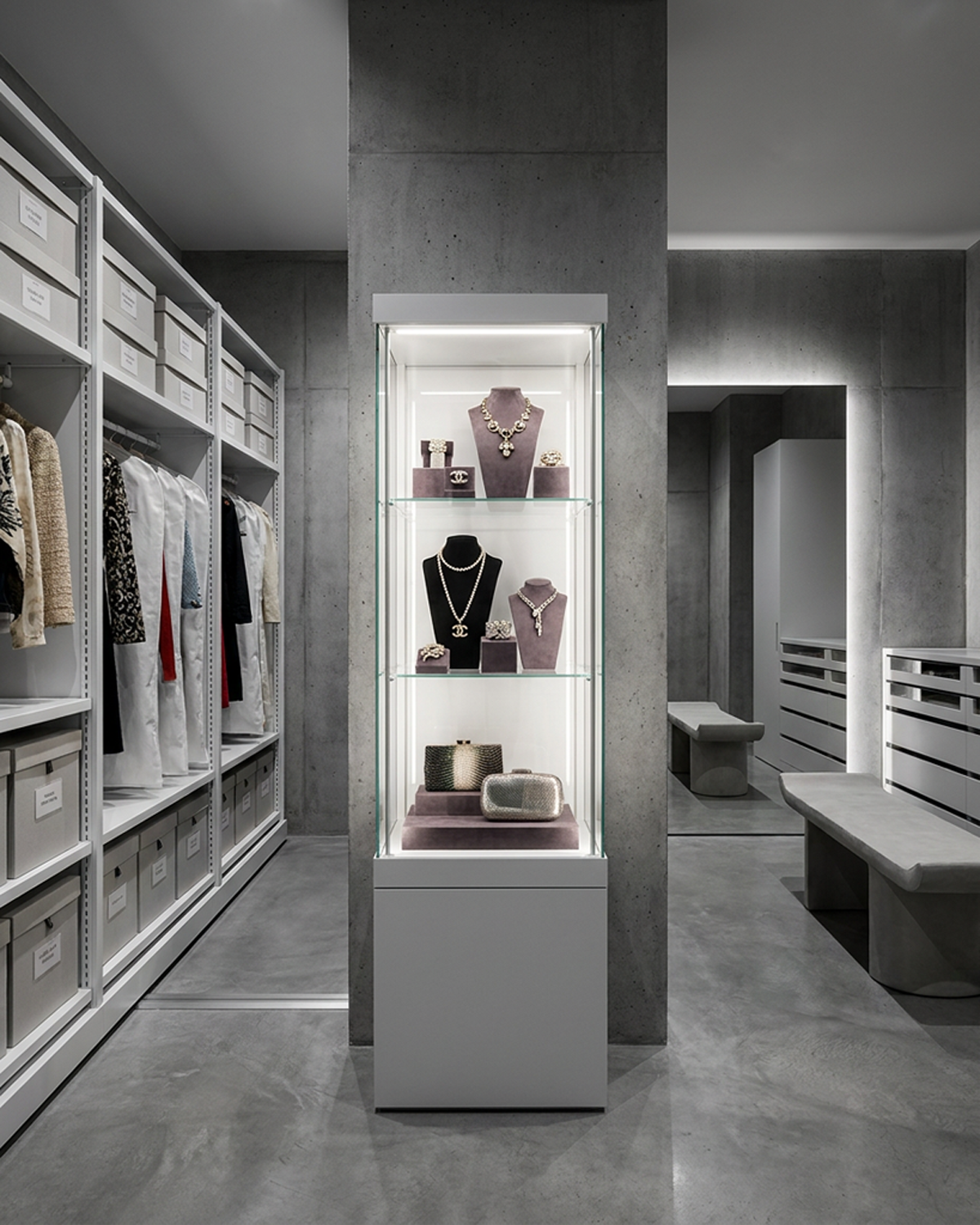
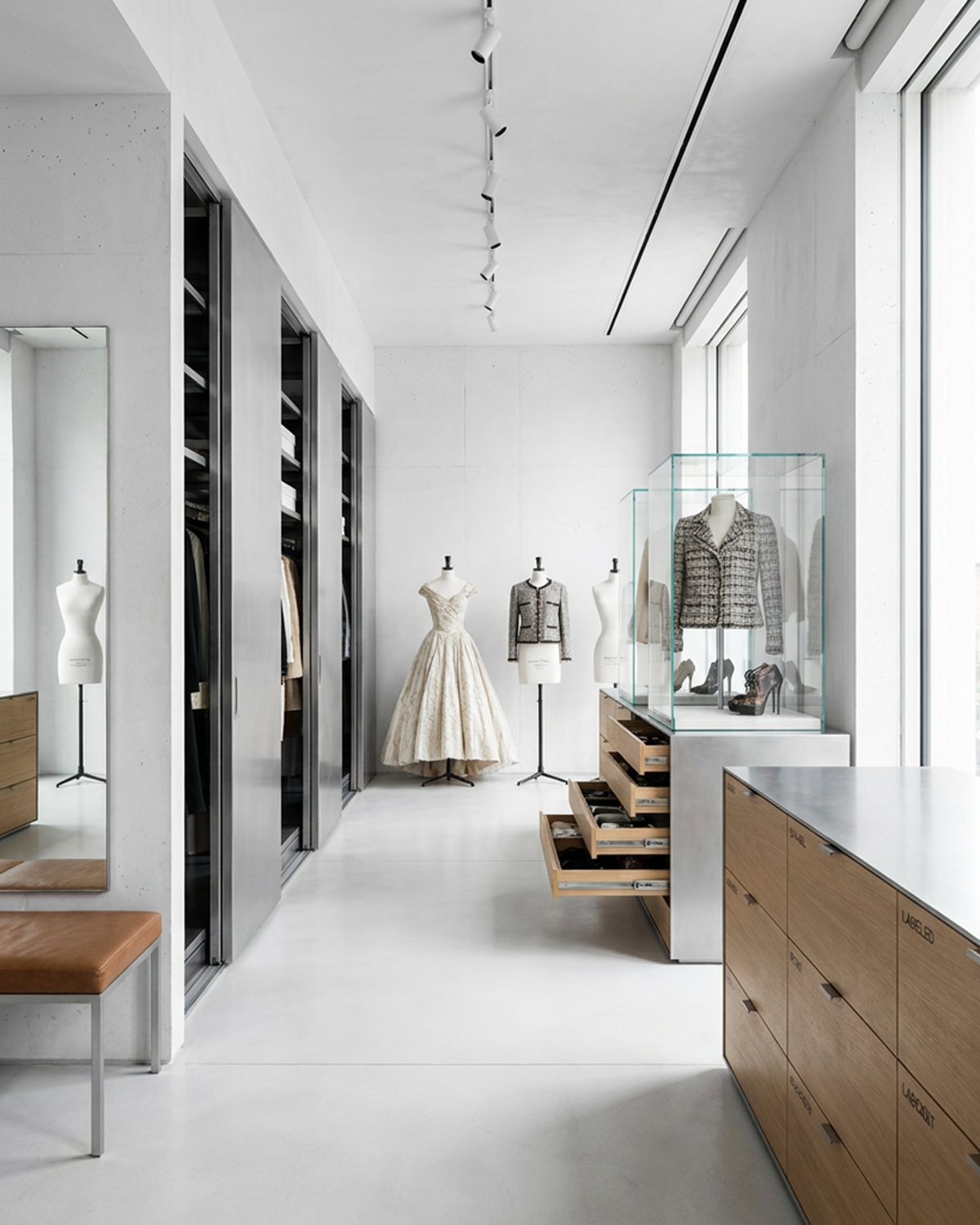
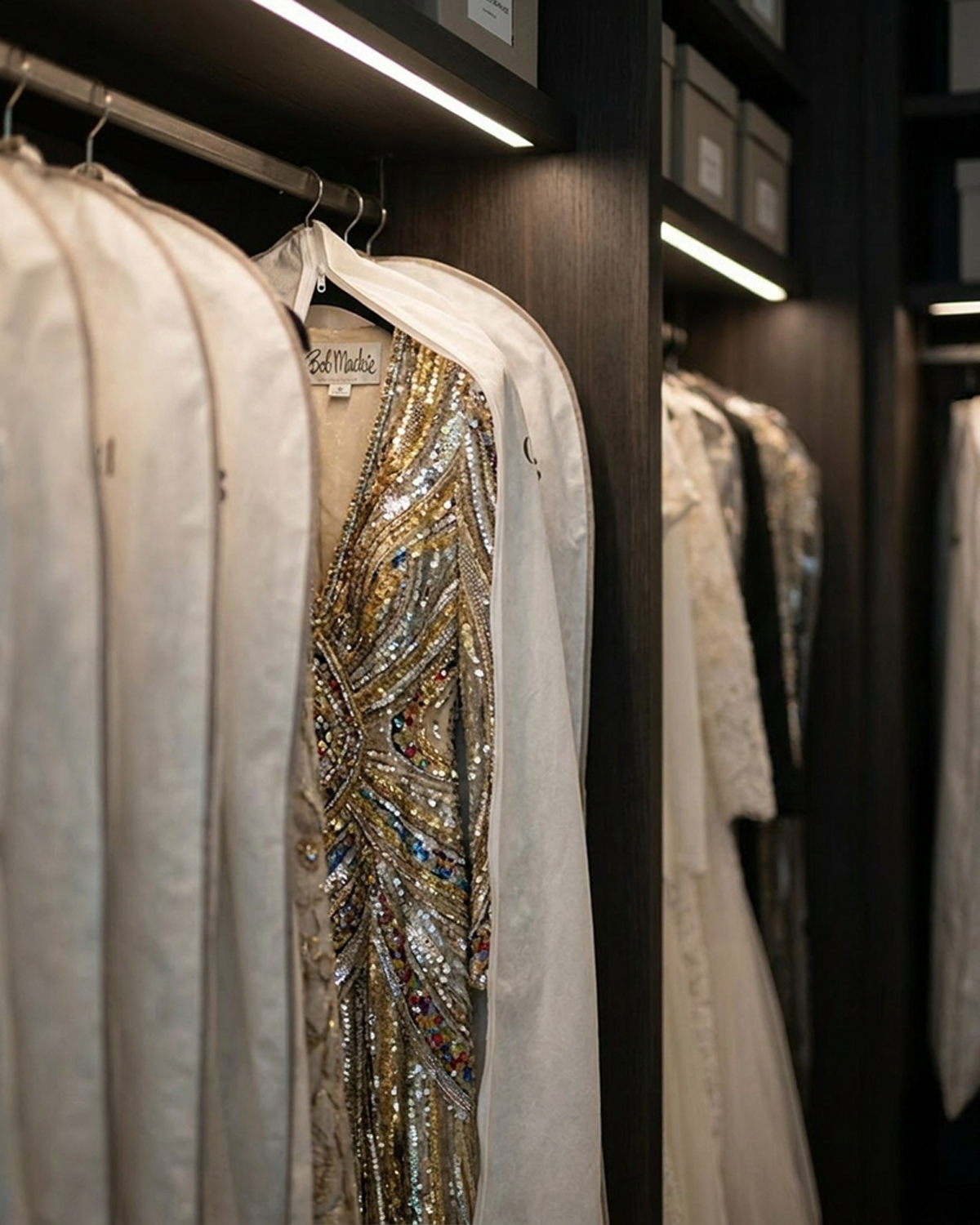
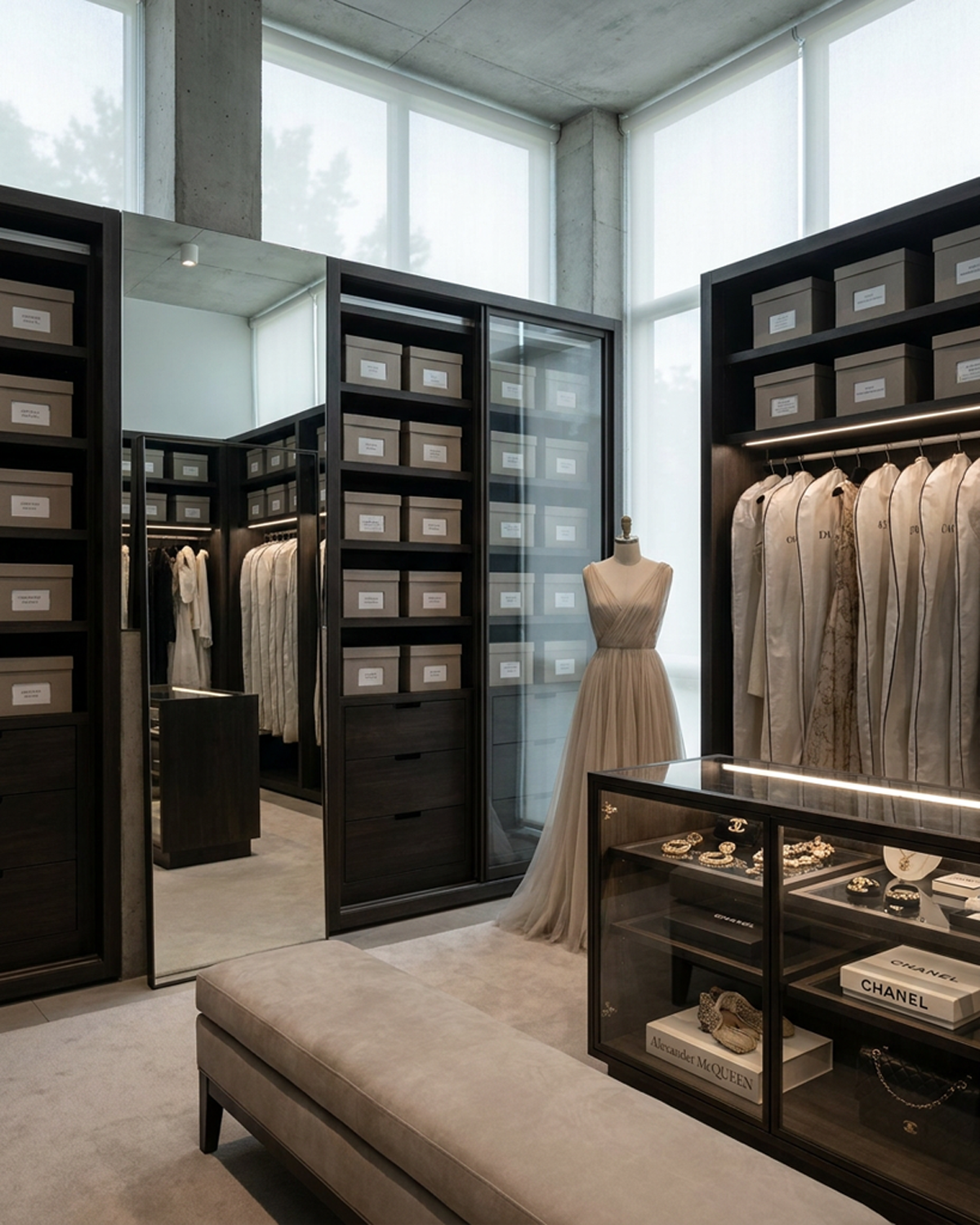
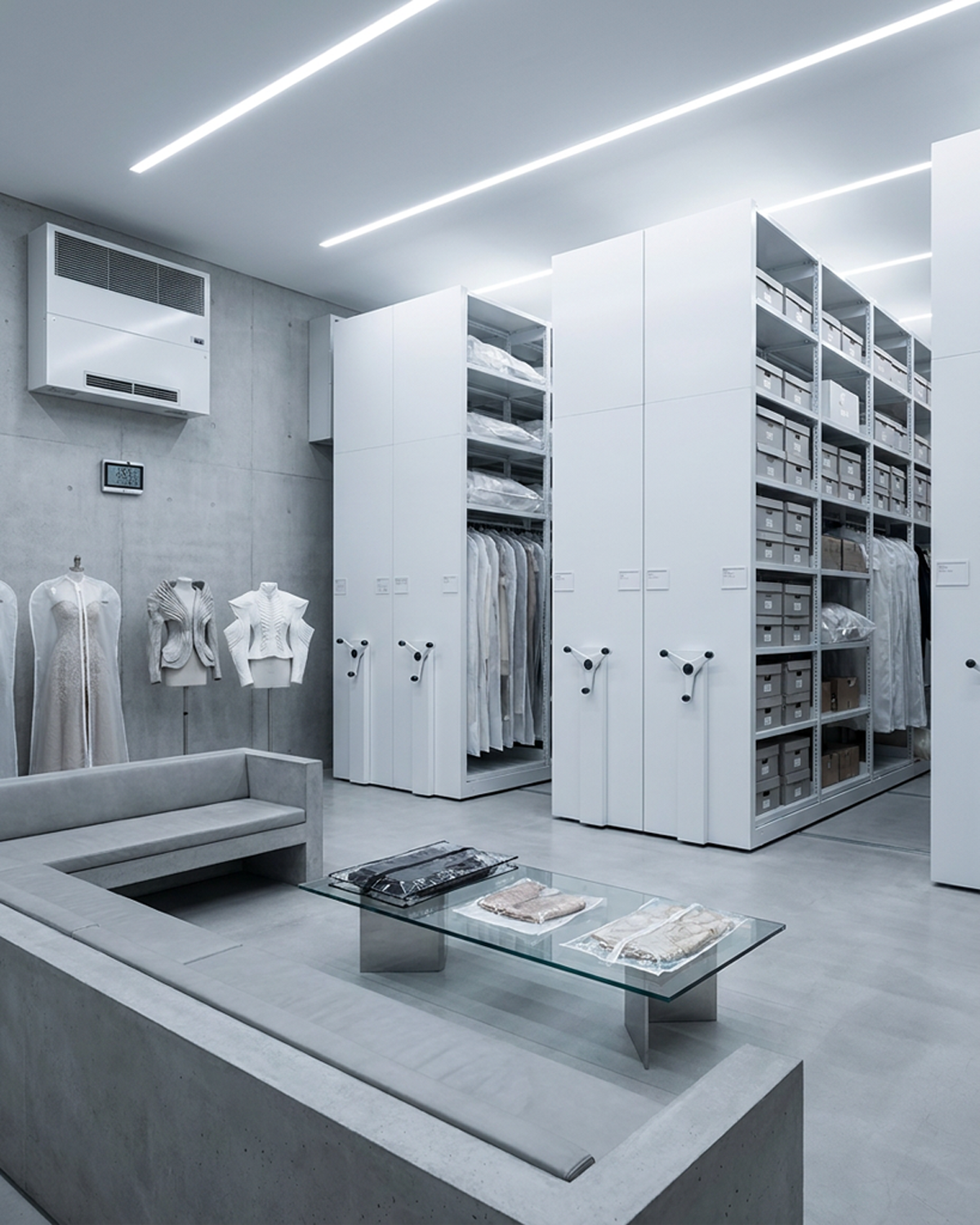
The climate-controlled storage spaces quietly preserving decades of couture, rare handbags, editorial samples, and iconic fashion history. Endless rolling racks. Sliding archive systems. Stark white cabinetry. Garment bags labeled with precision. Museum-level organization hidden behind discreet doors. There’s something incredibly aspirational about it all for fashion lovers and collectors alike.
At their best, these spaces feel somewhere between a laboratory, library, and a luxury dressing room — highly functional, deeply intentional, and visually restrained in a way that allows the fashion itself to take center stage. And honestly, the influence is already making its way into residential design.
Preservation as PRIORITY
One of the biggest shifts we’ve seen in luxury wardrobe design is the idea that closets are no longer simply about storage. Increasingly, they’re becoming curated personal archives.
Clients are collecting differently. Shopping differently. Holding onto pieces longer. Thinking about fashion in terms of investment, craftsmanship, and longevity. The spaces surrounding those collections are evolving alongside them.
We’re designing more:
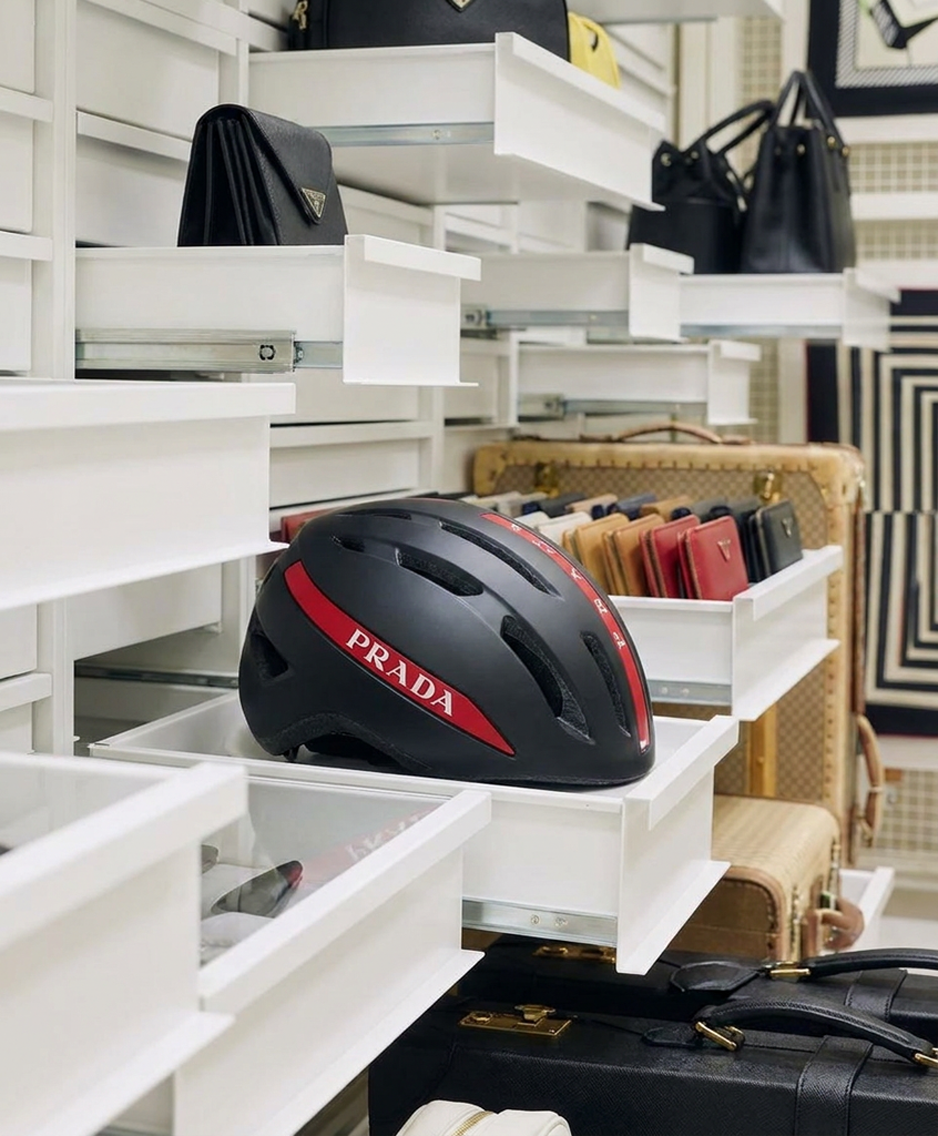
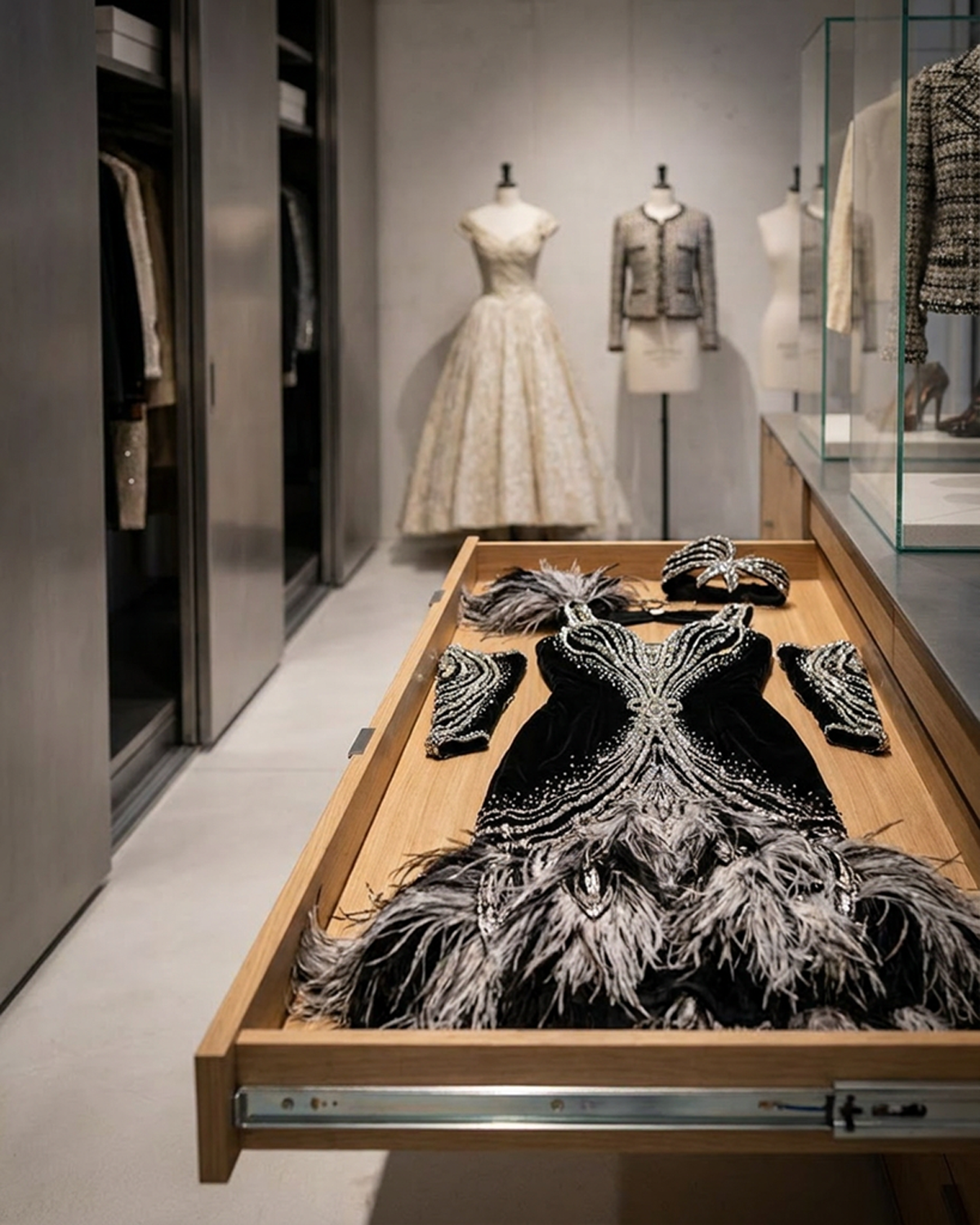
Closed cabinetry for delicate garments
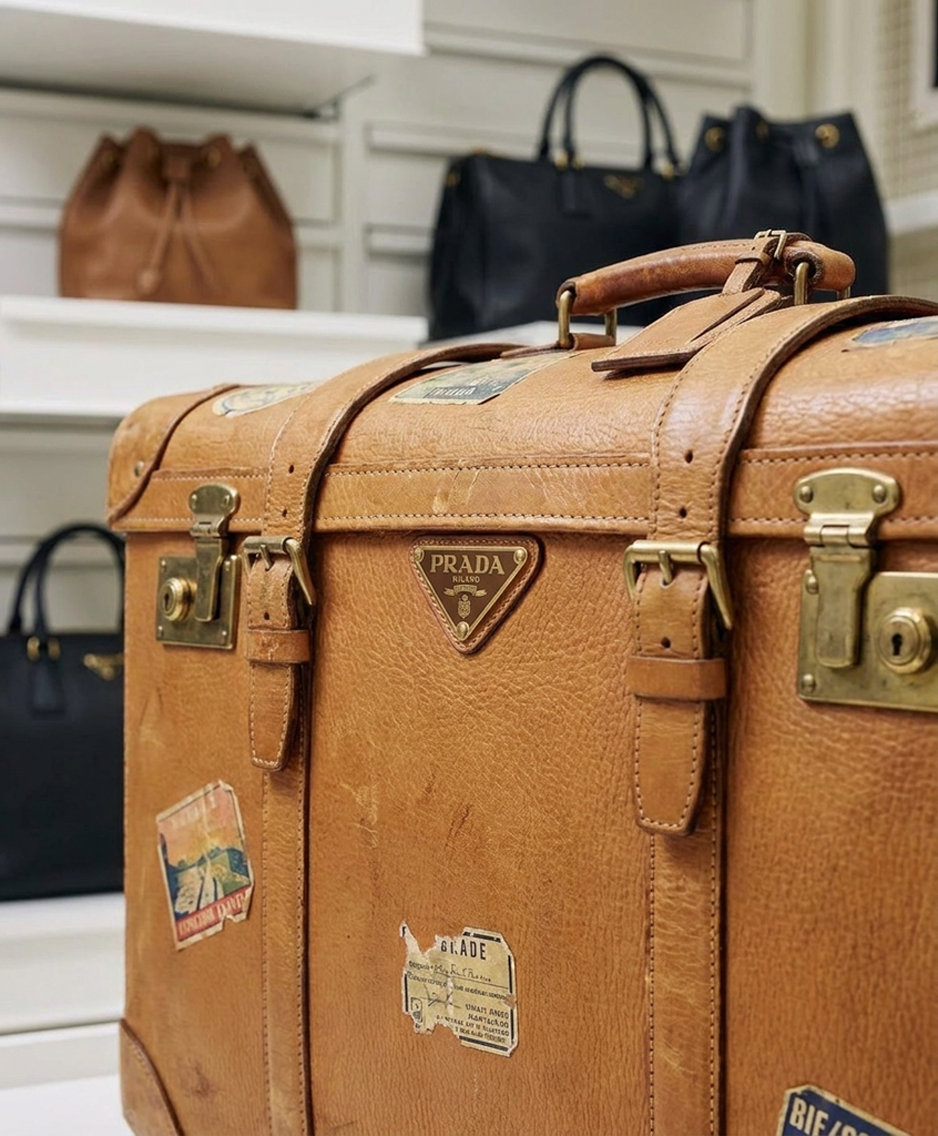
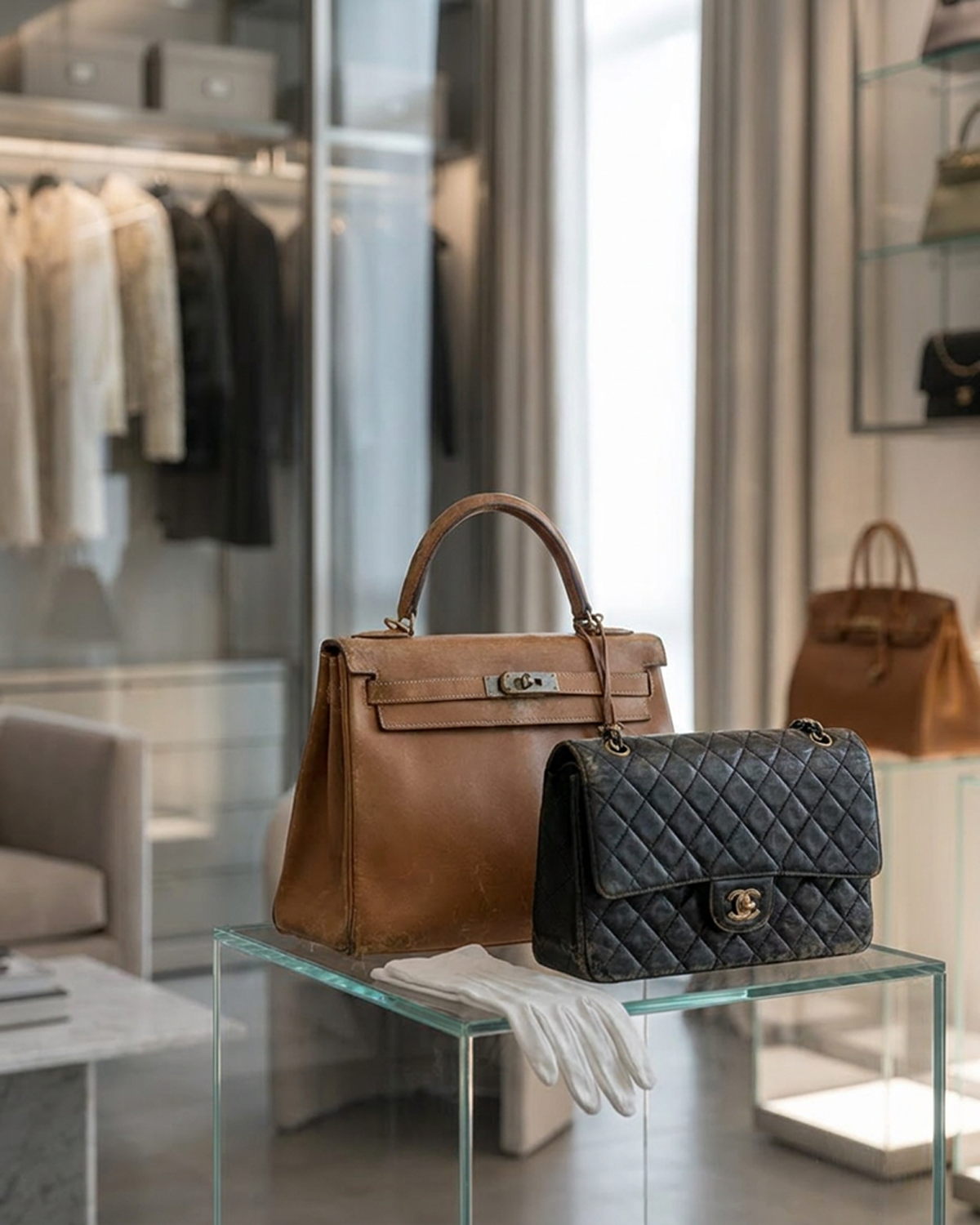
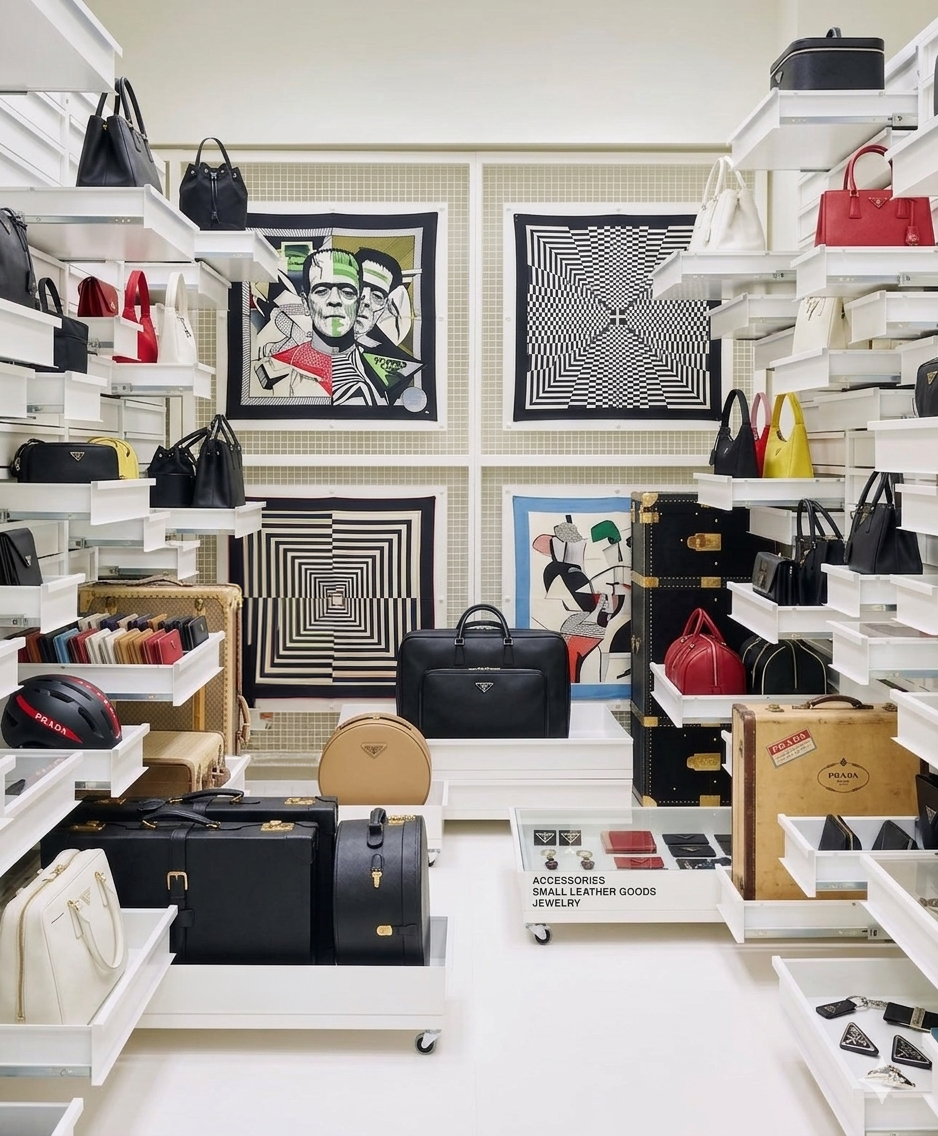
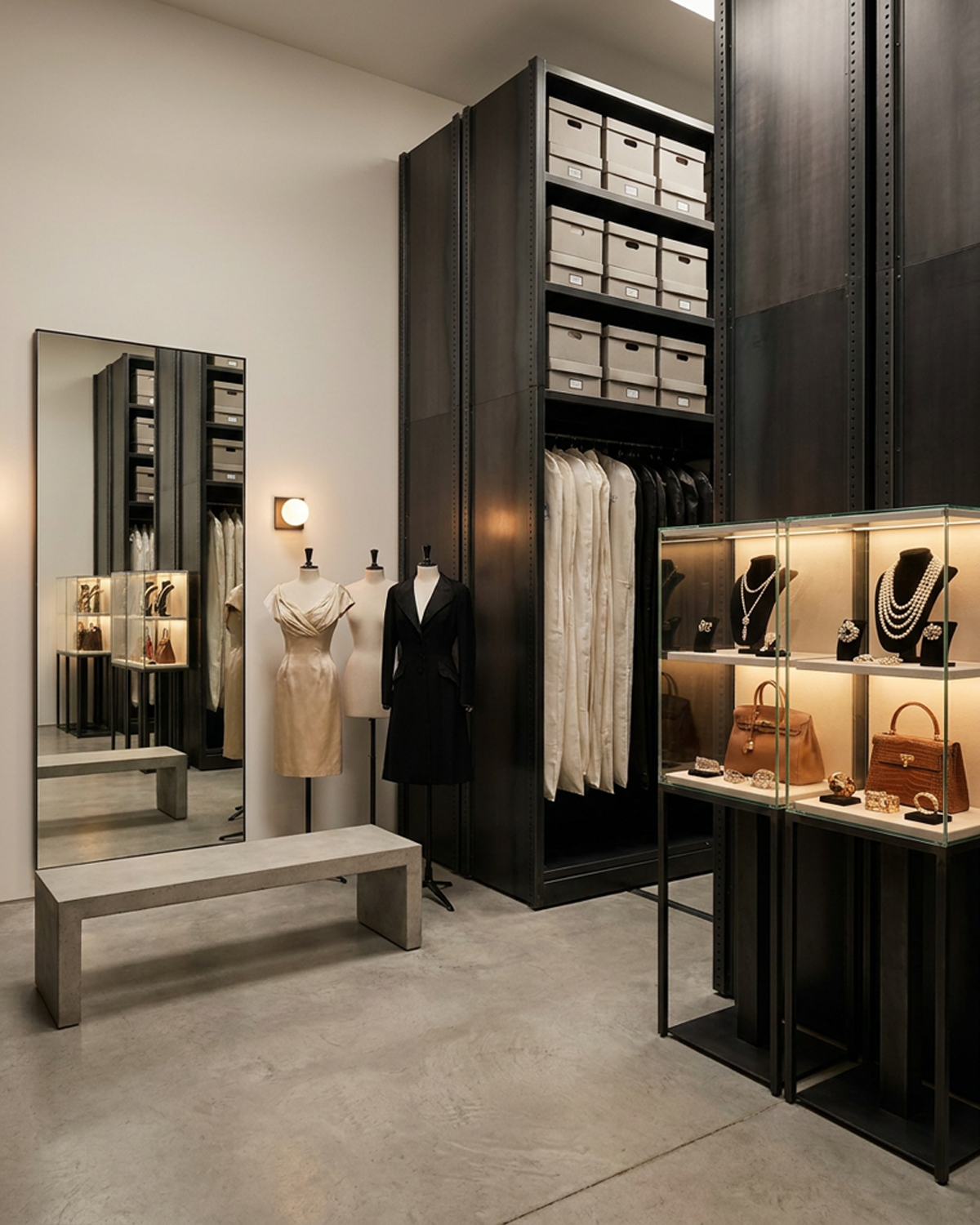
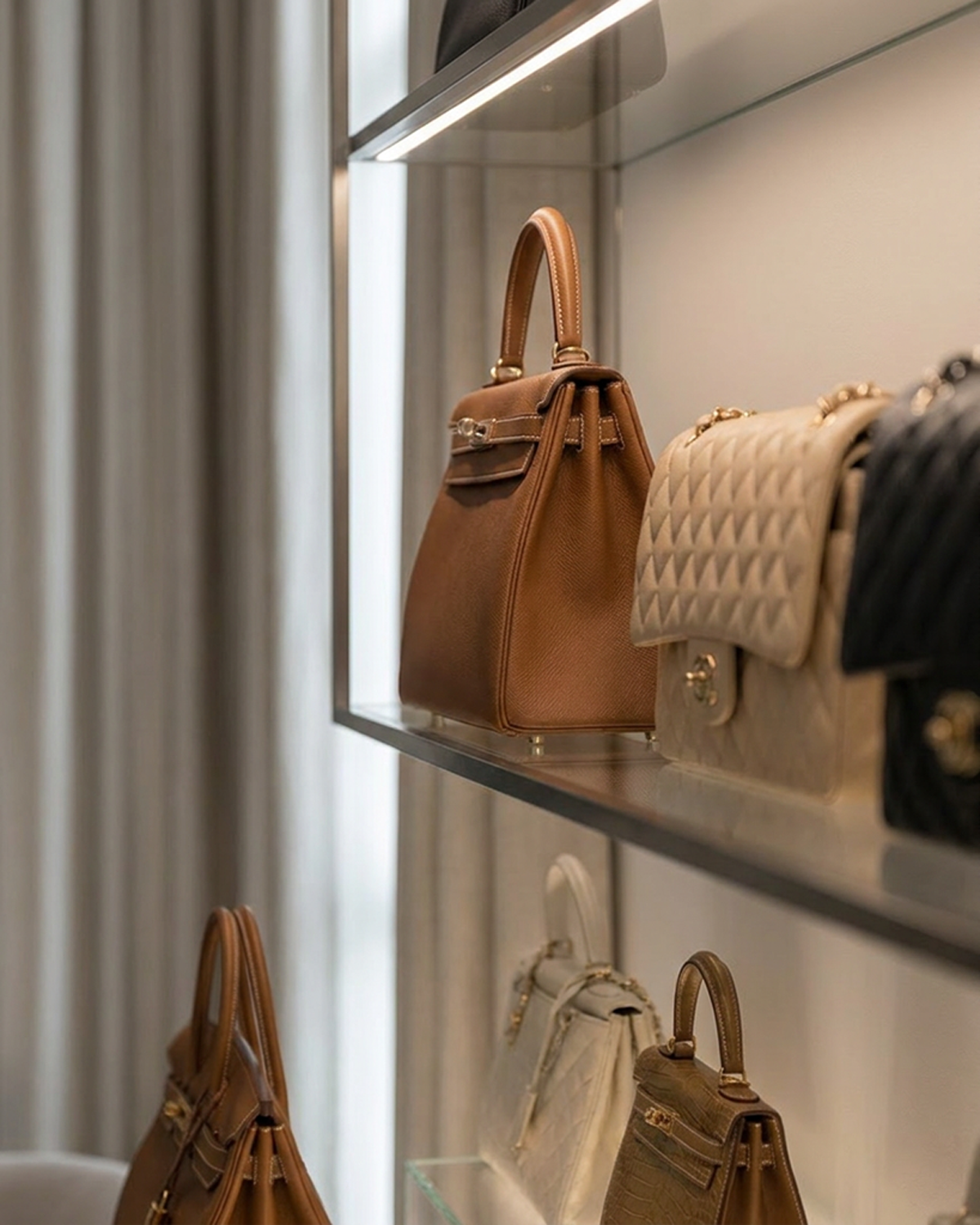
Dedicated handbag and shoe spaces
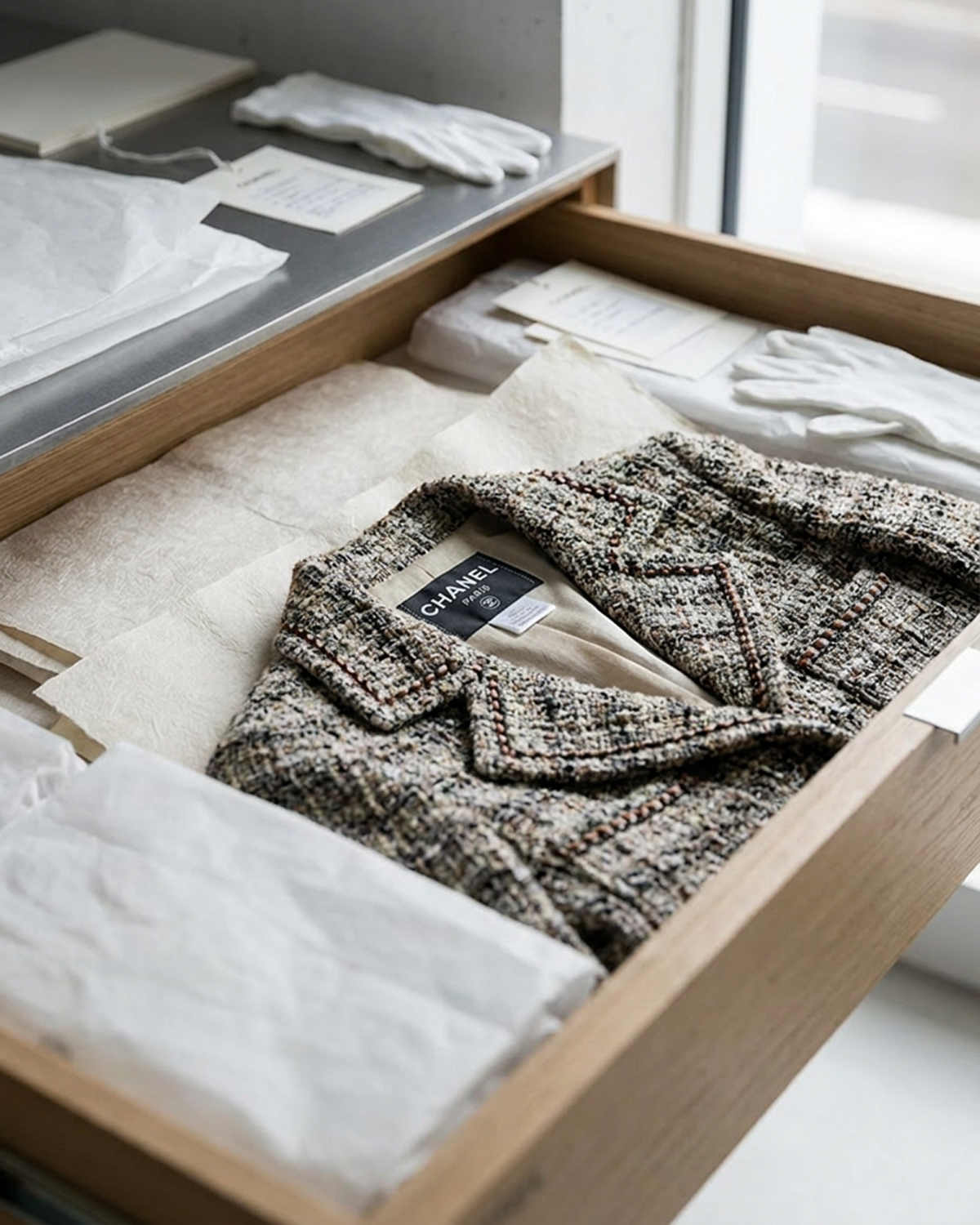
Pull-out trays for accessories
Seasonal rotation systems
Integrated garment care stations
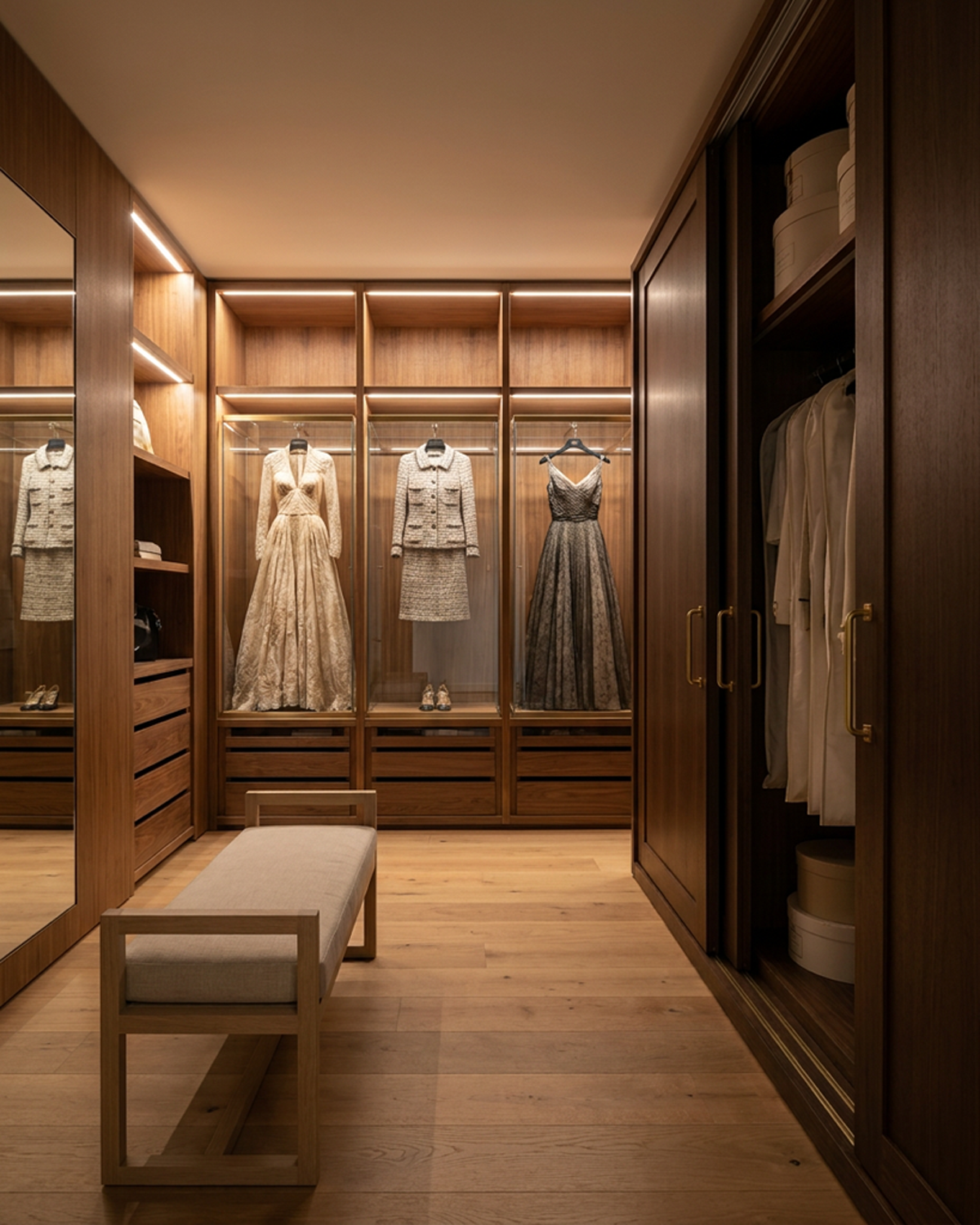
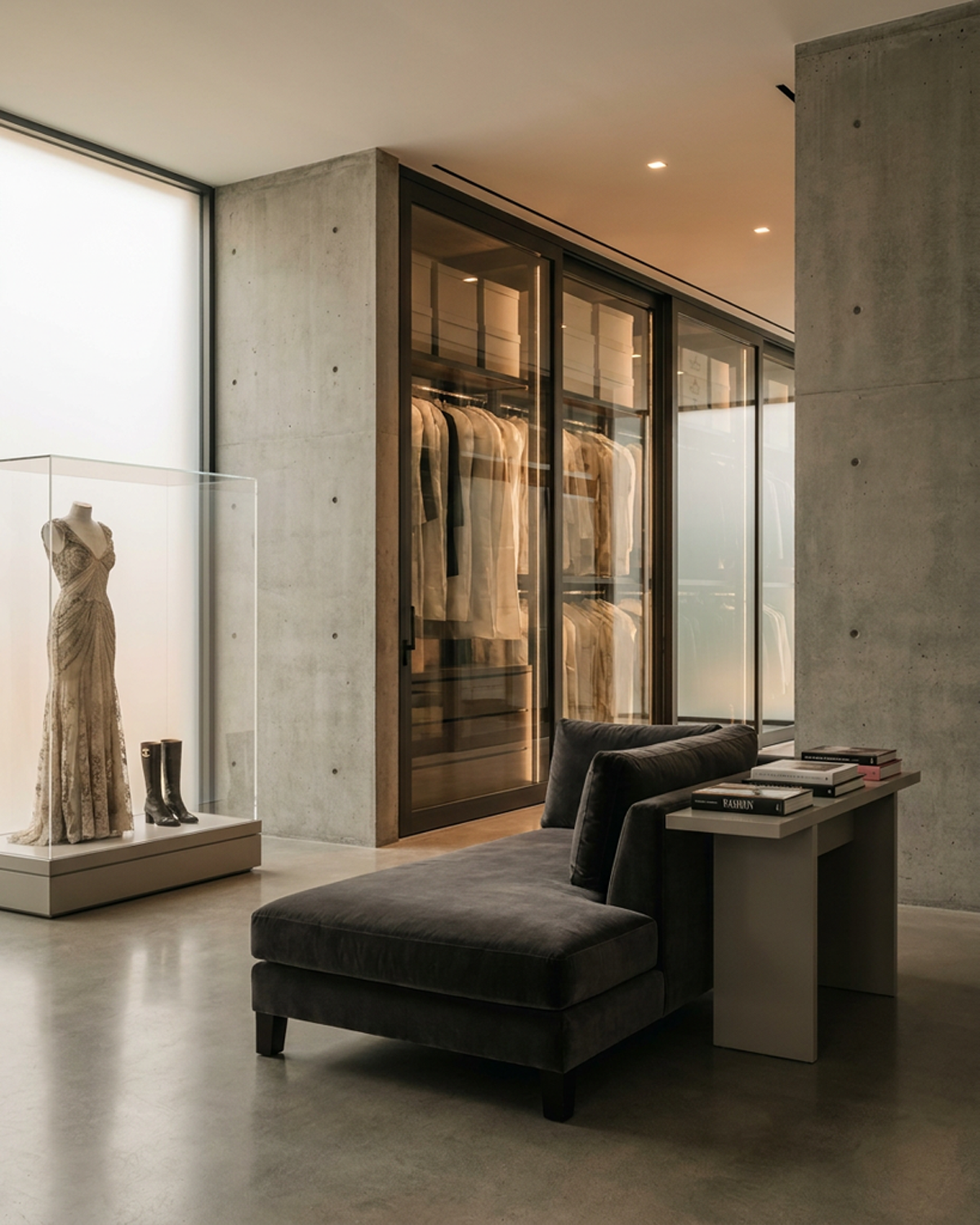
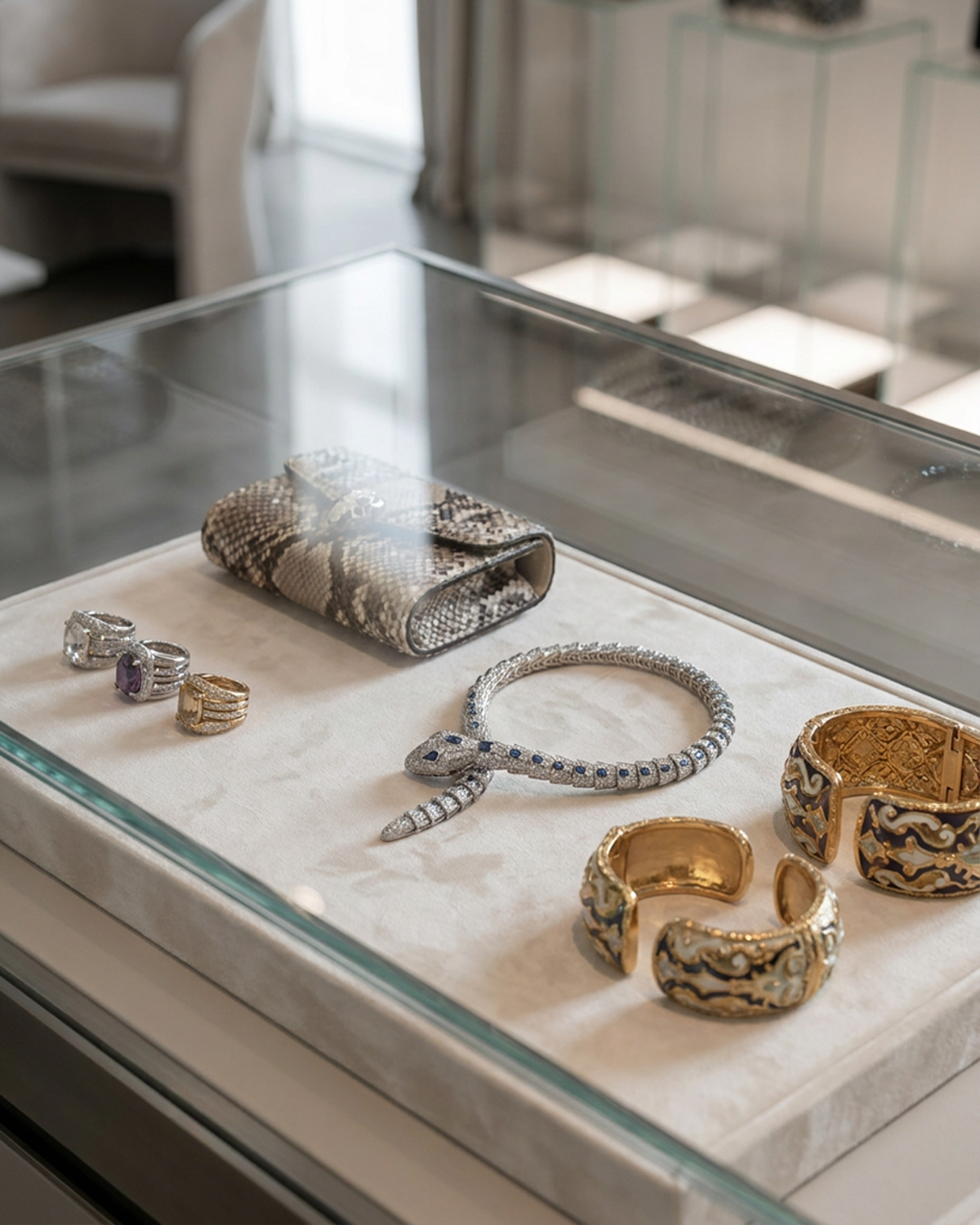
Boutique-inspired glass displays
Specialty lighting for fashion collections
Hidden overflow storage spaces
The result feels less like a traditional closet and more like a private showroom.
The Rise of the “Back of House” Aesthetic
There’s also an undeniable visual language to archival fashion spaces that we love right now. Soft white palettes, stainless steel details, matte finishes, polished concrete floors, architectural lighting. Rows of garments organized with near-clinical precision.
Minimal. Quiet. Functional.
The aesthetic almost disappears so the collection itself becomes the focal point. Ironically, some of the most luxurious spaces today are the least visually loud. They feel calm, intentional, and highly edited — more gallery than glam.
Designing for Collections
Fashion archives work because they’re built around systems. Every category has a place. Every item is protected. Everything is considered.
That same philosophy translates beautifully into residential wardrobe design, particularly for clients with extensive collections of:
Couture
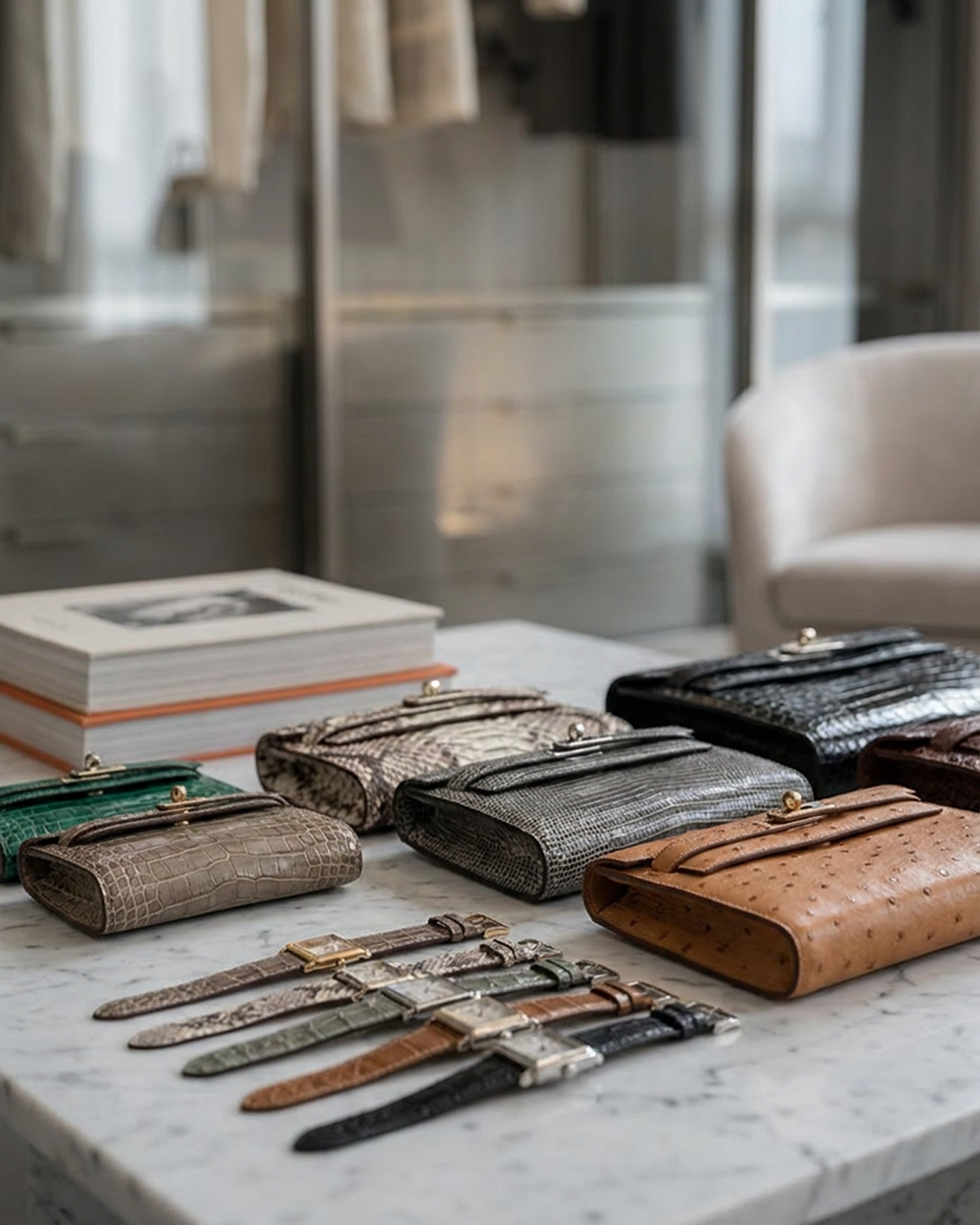
Watches
Jewelry
Handbags
Vintage fashion
Custom pieces
Seasonal wardrobes
Good design makes these collections easier to preserve, easier to access, and ultimately more enjoyable to live with. Because luxury isn’t just about owning beautiful things. It’s about caring for them properly.
The Modern Wardrobe, Reimagined
There’s something especially relevant about the archive right now.
In a culture built around constant trend cycles and overconsumption, these spaces represent permanence, thoughtfulness, and preservation. Fashion worth saving.
And perhaps that’s why these stark, pristine archival rooms feel so inspiring at the moment. They remind us that the most beautiful wardrobes aren’t necessarily the fullest ones. They’re the most intentional.