
Game Day Ready
There’s a certain point where a closet stops being about storage—and starts becoming infrastructure.
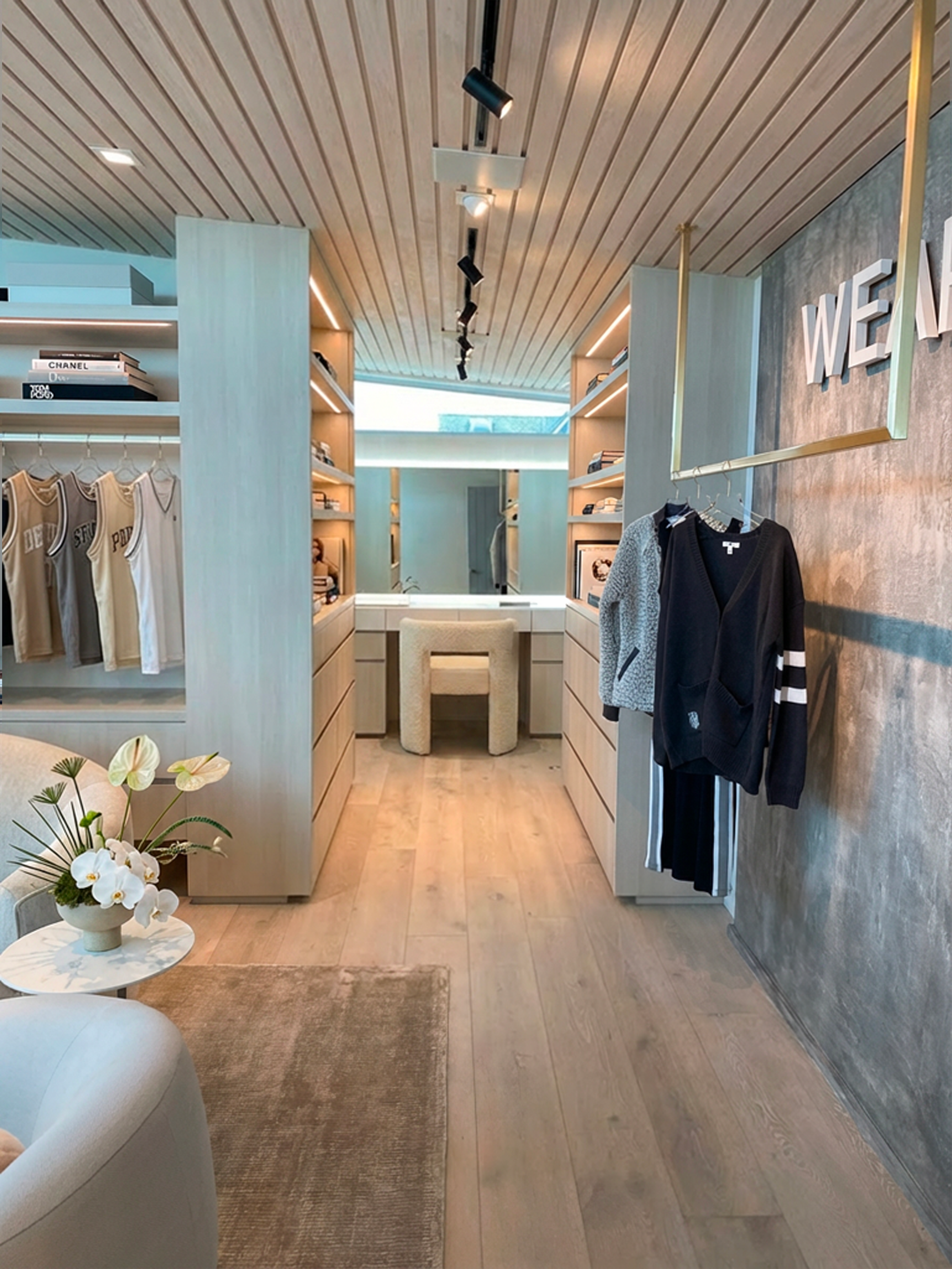
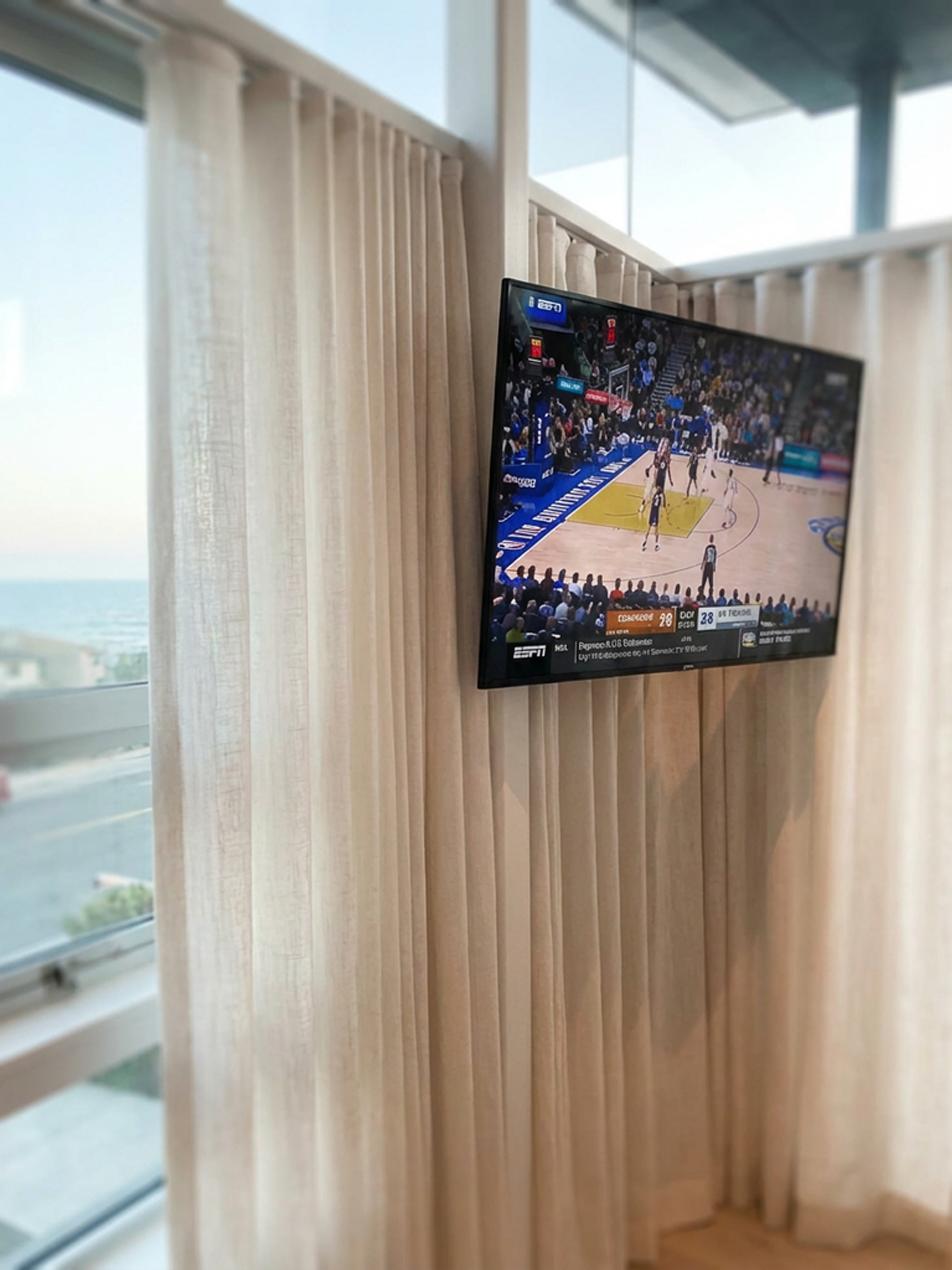
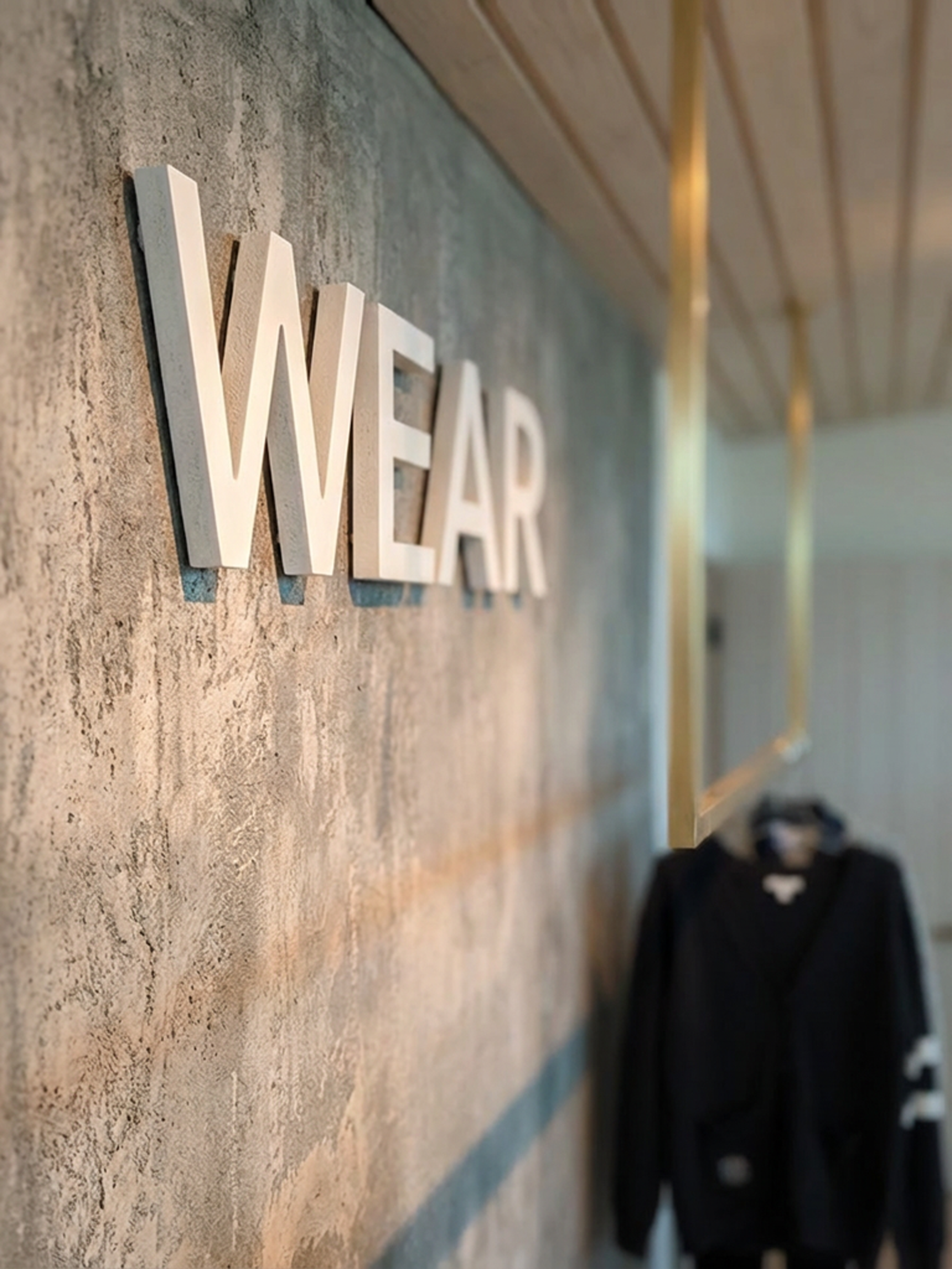
For Erin Andrews, that shift was essential. With the growth of her brand, WEAR by Erin Andrews, the space needed to do more than house clothing. It had to function as a creative studio, a showroom, a styling suite, and a backdrop—often all at once.
This Manhattan Beach project was designed to live at that intersection: part dressing room, part brand environment, entirely intentional.
A Closet That Works Like a Studio
Most closets are designed for one user, one moment.
This one is designed for a rotating cast—stylist, photographer, brand team, and Erin herself—sometimes all in the room at once.
The layout reflects that:
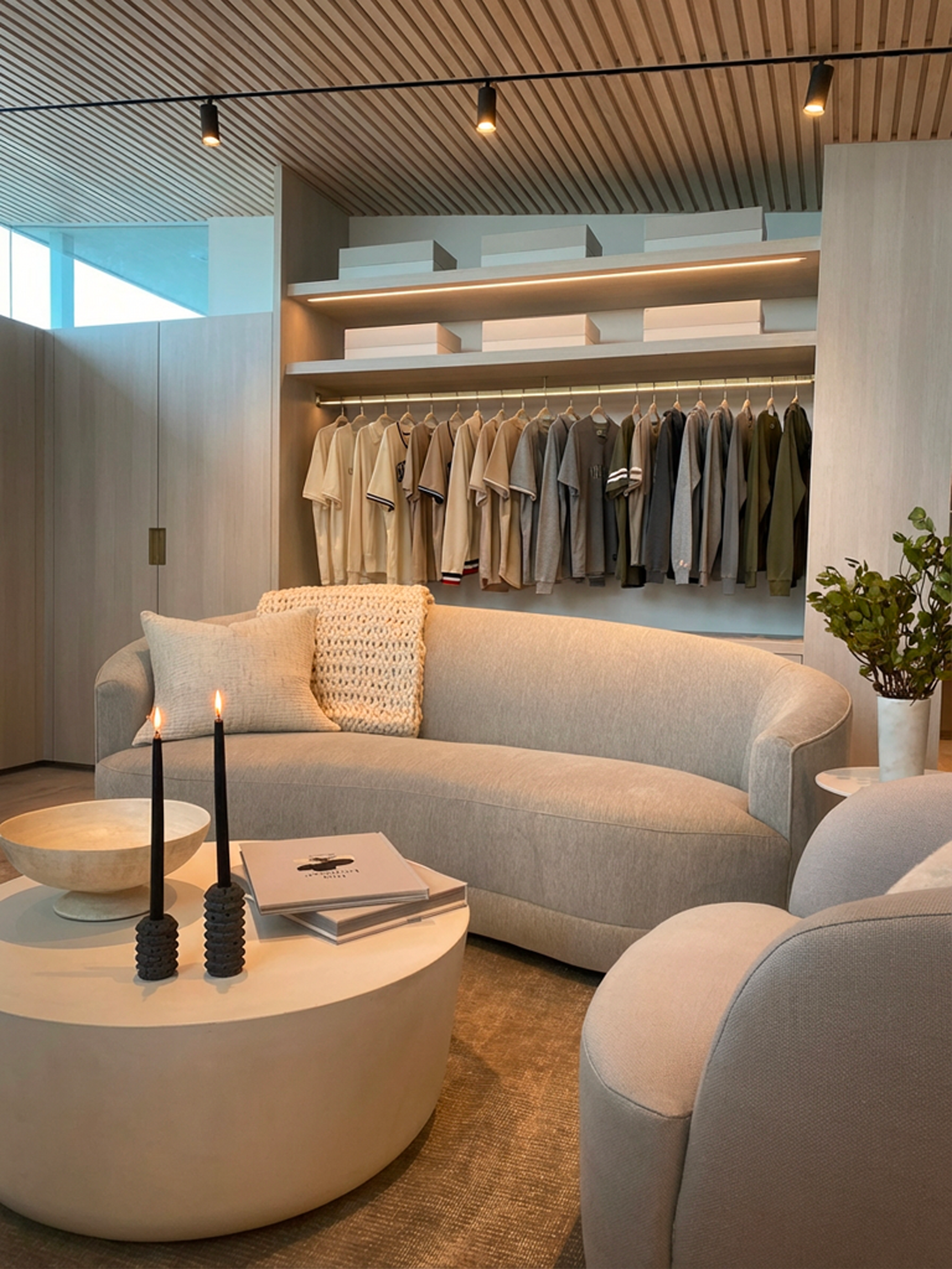
A central lounge moment creates space to step back, review looks, and collaborate
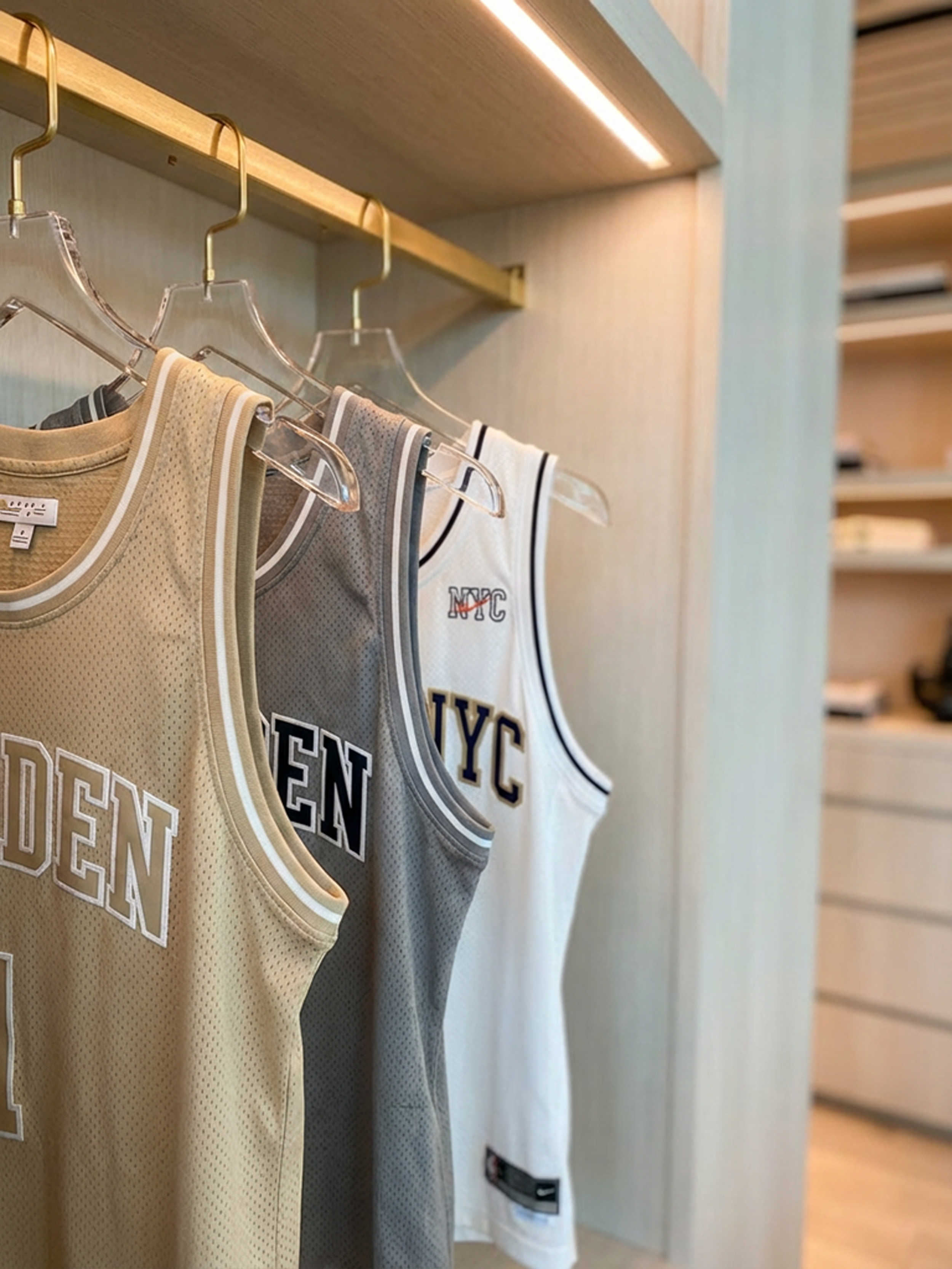
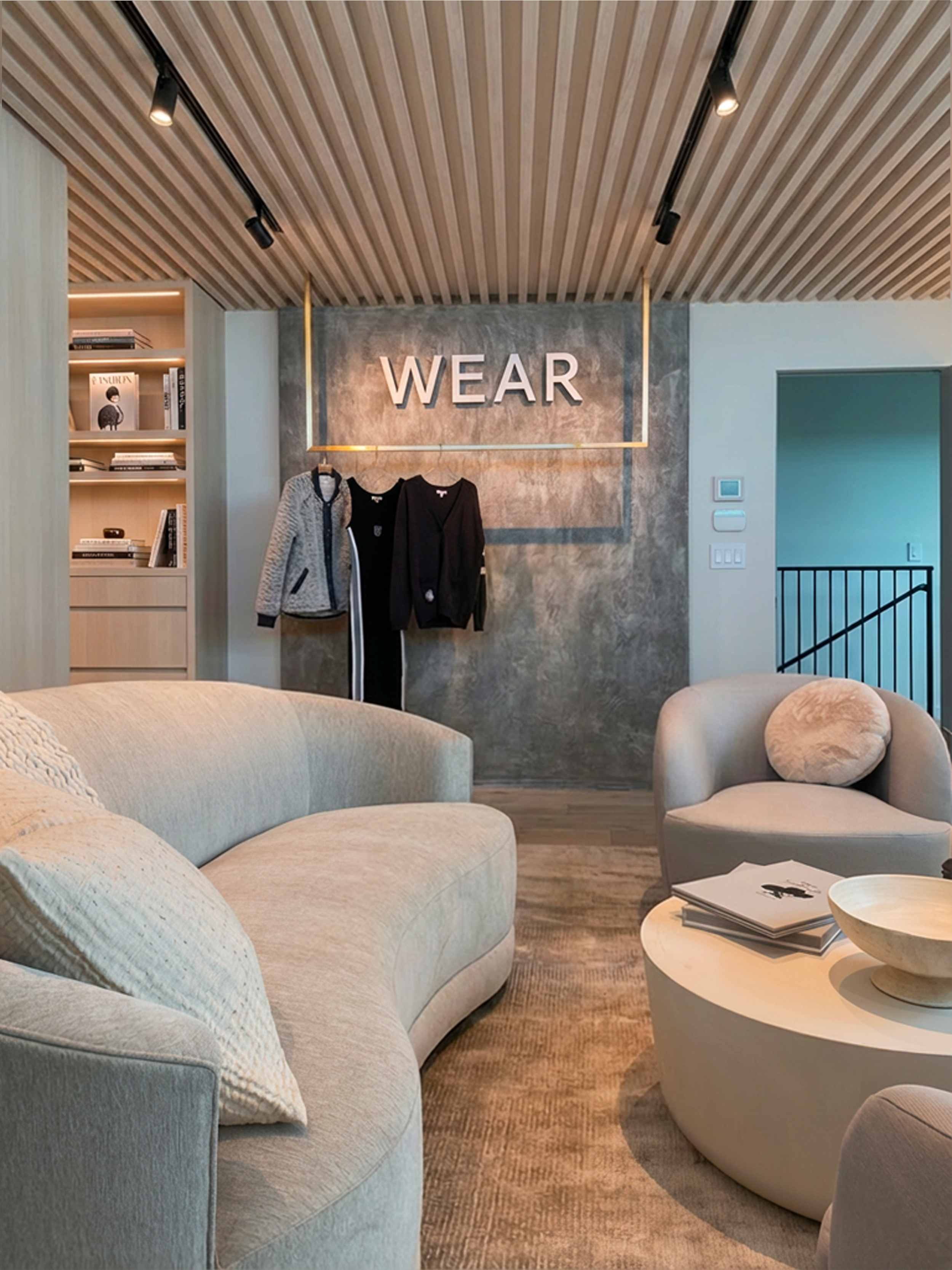
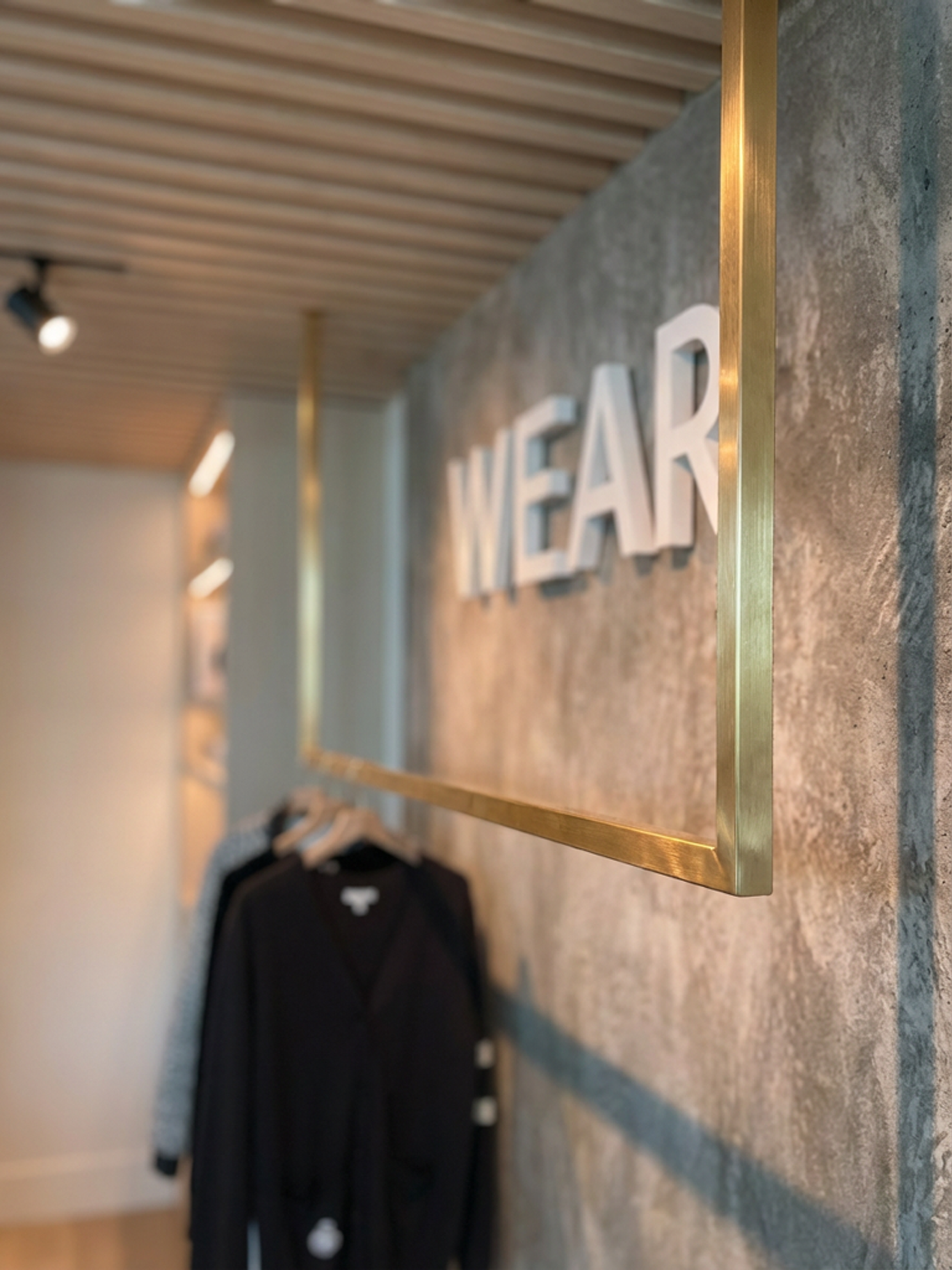
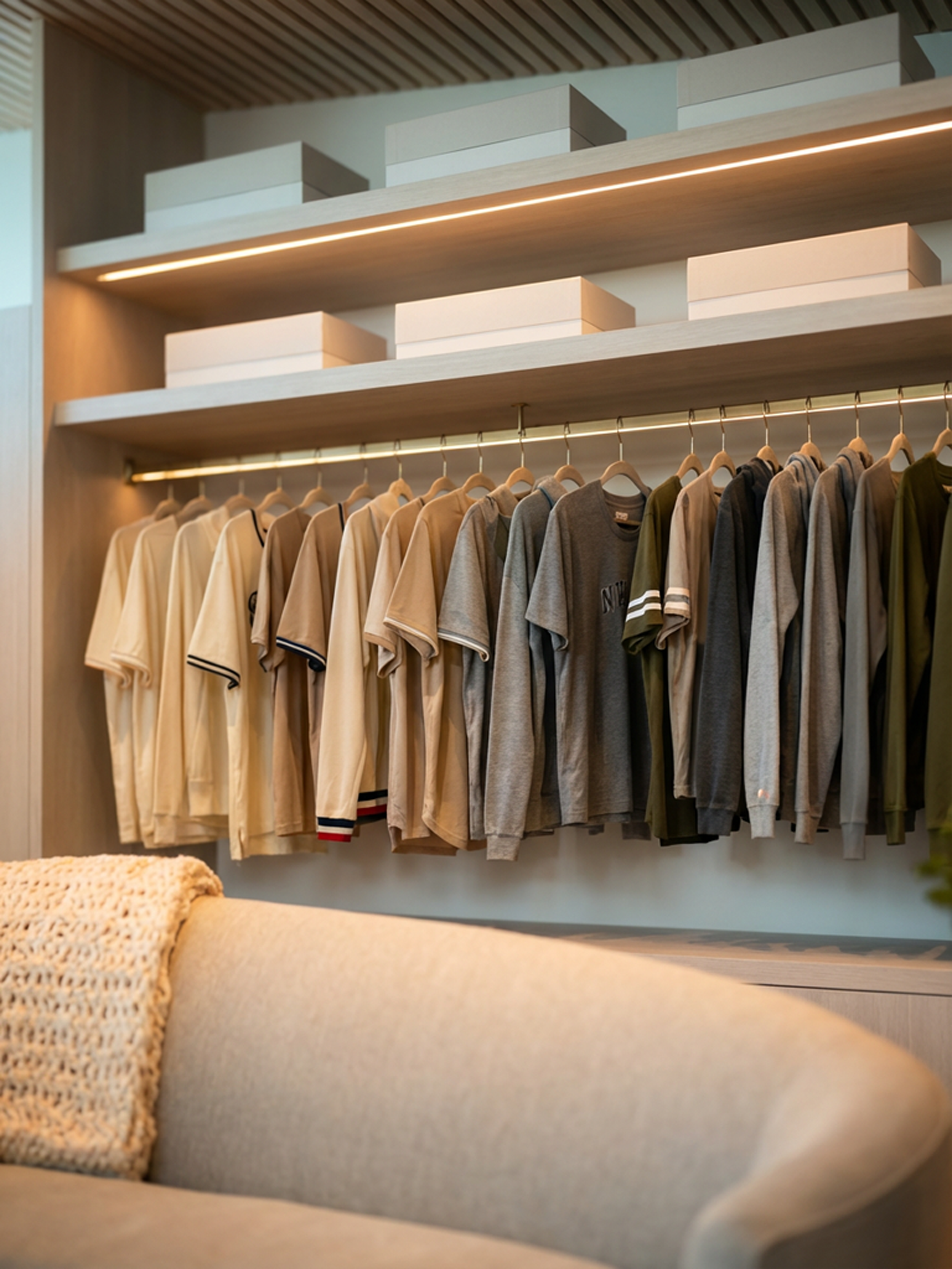
Open hanging zones act like a curated retail rack—everything visible, everything intentional
Layered lighting (ambient, task, and accent) allows the space to shift from daytime prep to camera-ready
It’s less “getting dressed” and more producing a look.
The Vanity as Command Center
At the back of the room, the vanity anchors everything.
This isn’t just a place to sit—it’s where the transformation happens.
We approached it like a workstation:
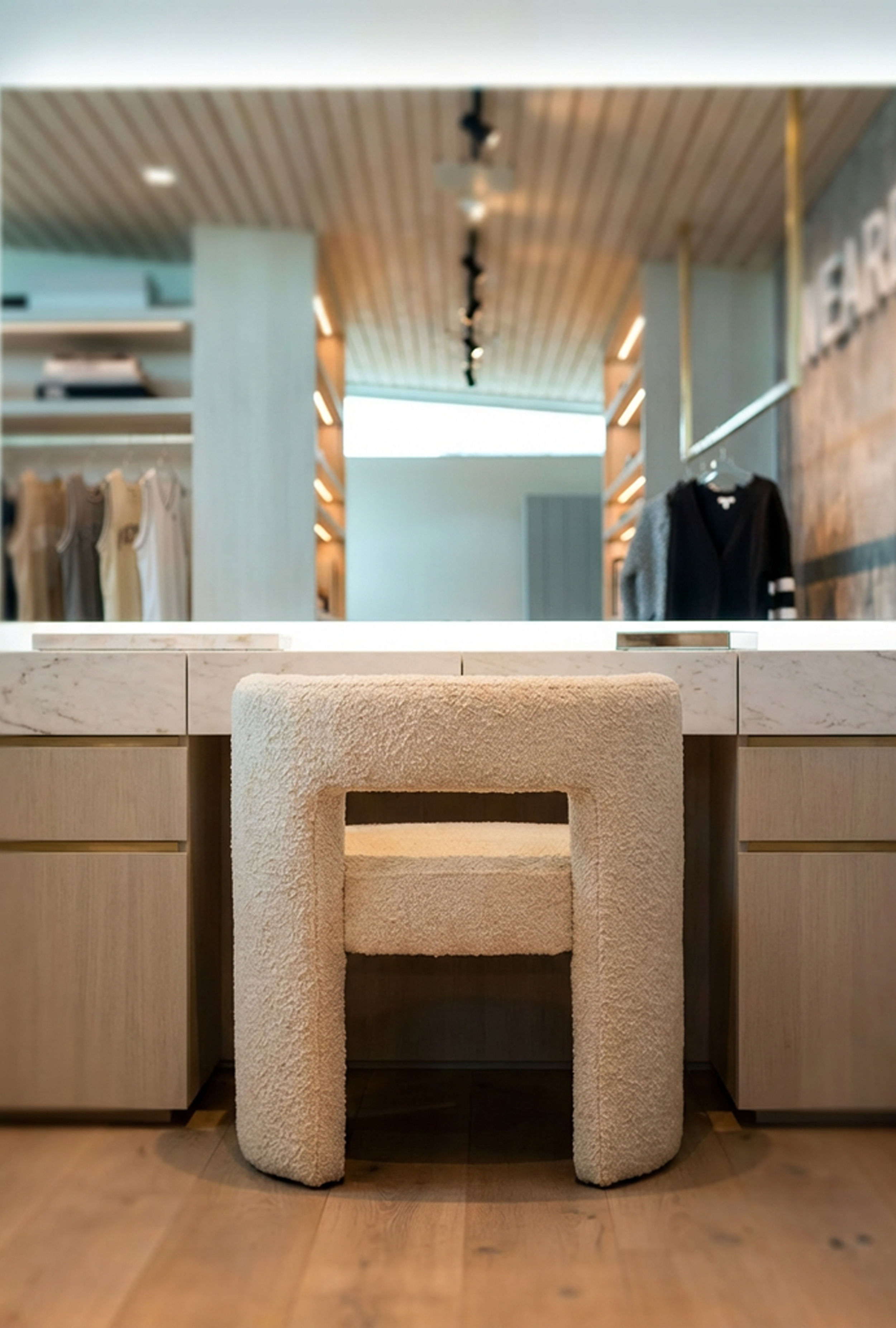
Full-width mirror to maintain sightlines and reflect natural light
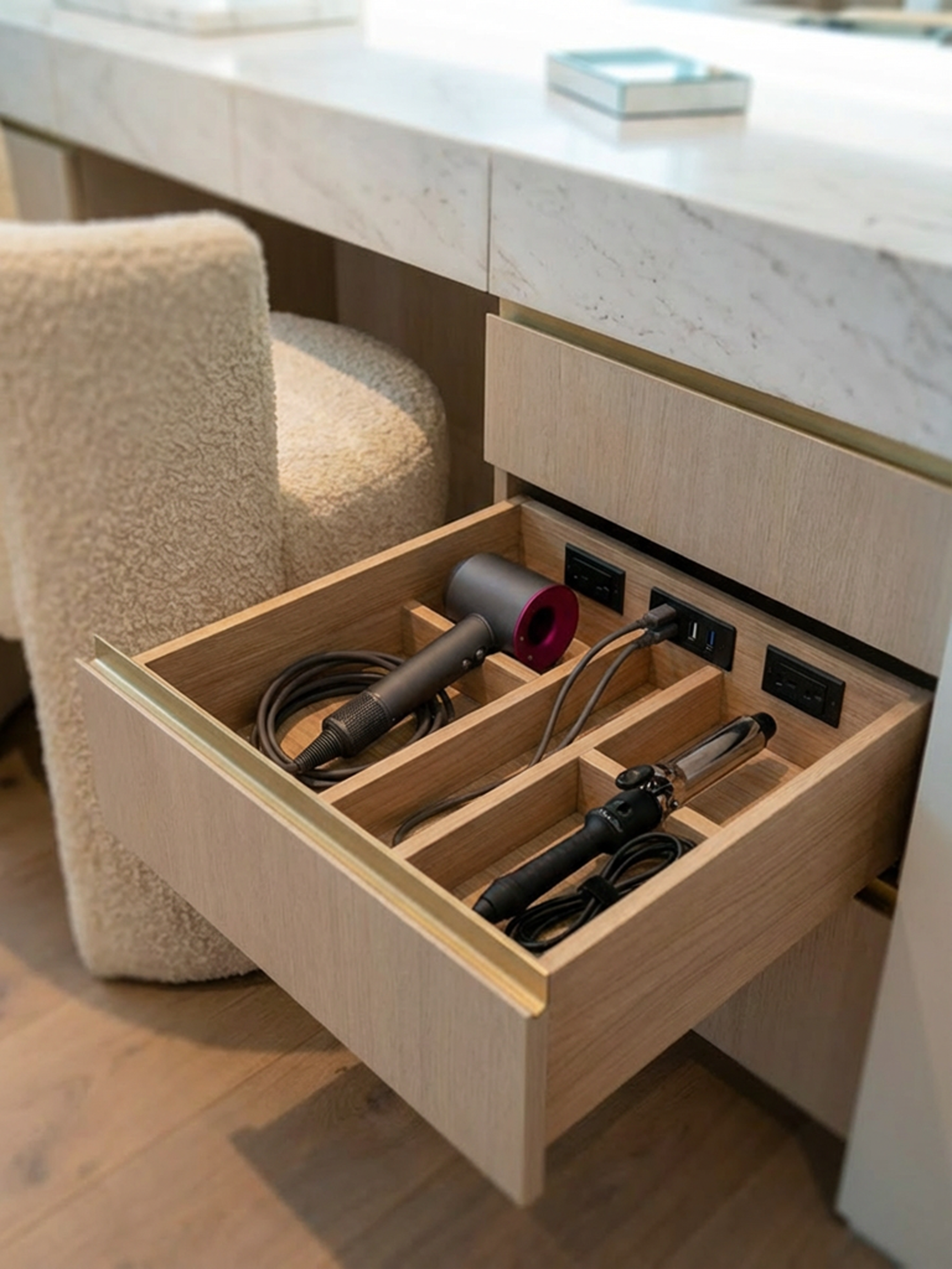
Integrated drawers with power for hot tools (no cords spilling across the surface)
Partitioned interiors to keep styling tools organized but immediately accessible
A sculptural bouclé stool to soften the architecture without compromising function
It’s precise, but it doesn’t feel clinical—which is a balance most vanities miss.
Merchandising, Not Storage
A brand like WEAR by EA doesn’t belong behind closed doors.
Throughout the space, we treated product the way a flagship store would:
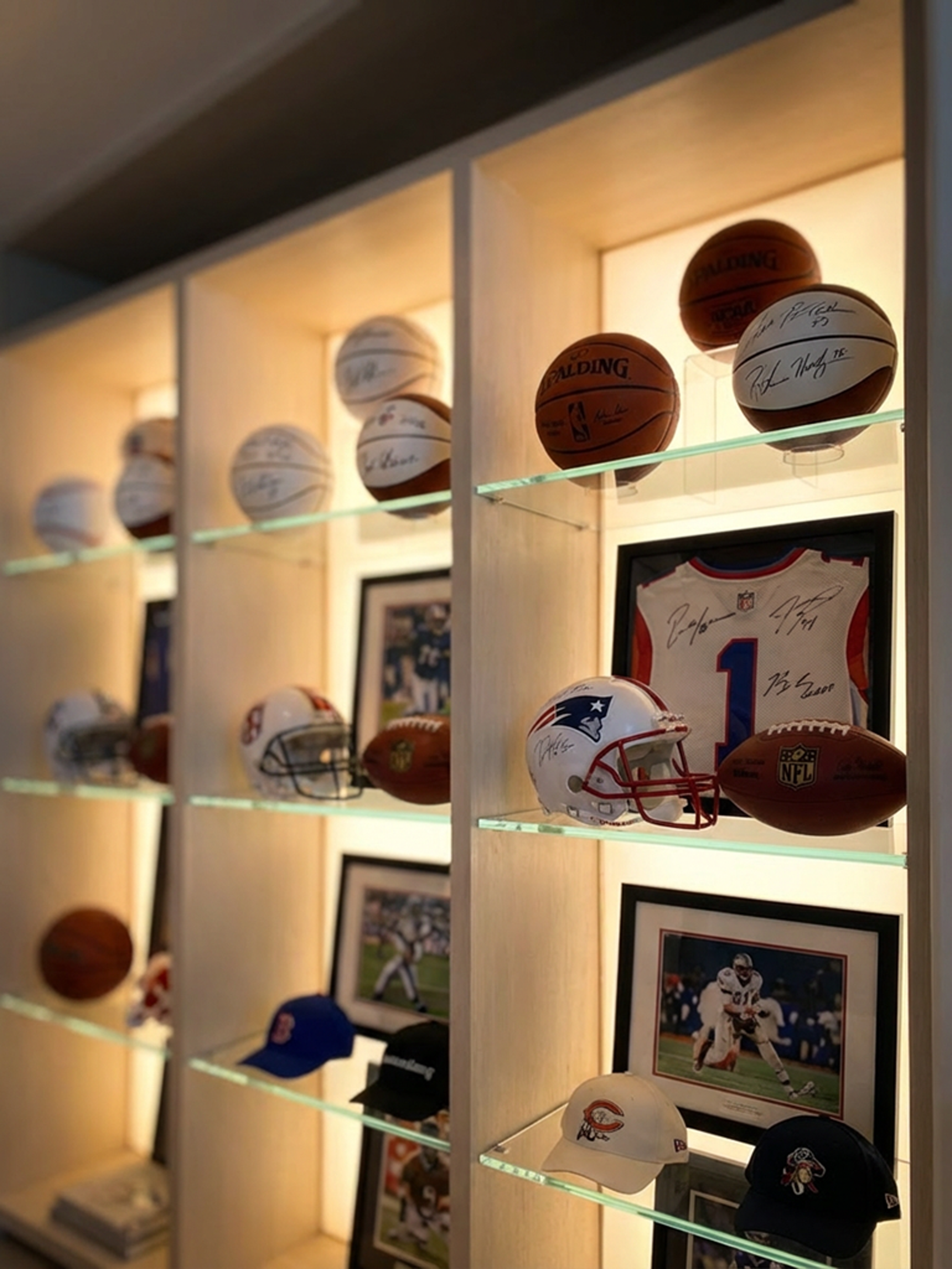
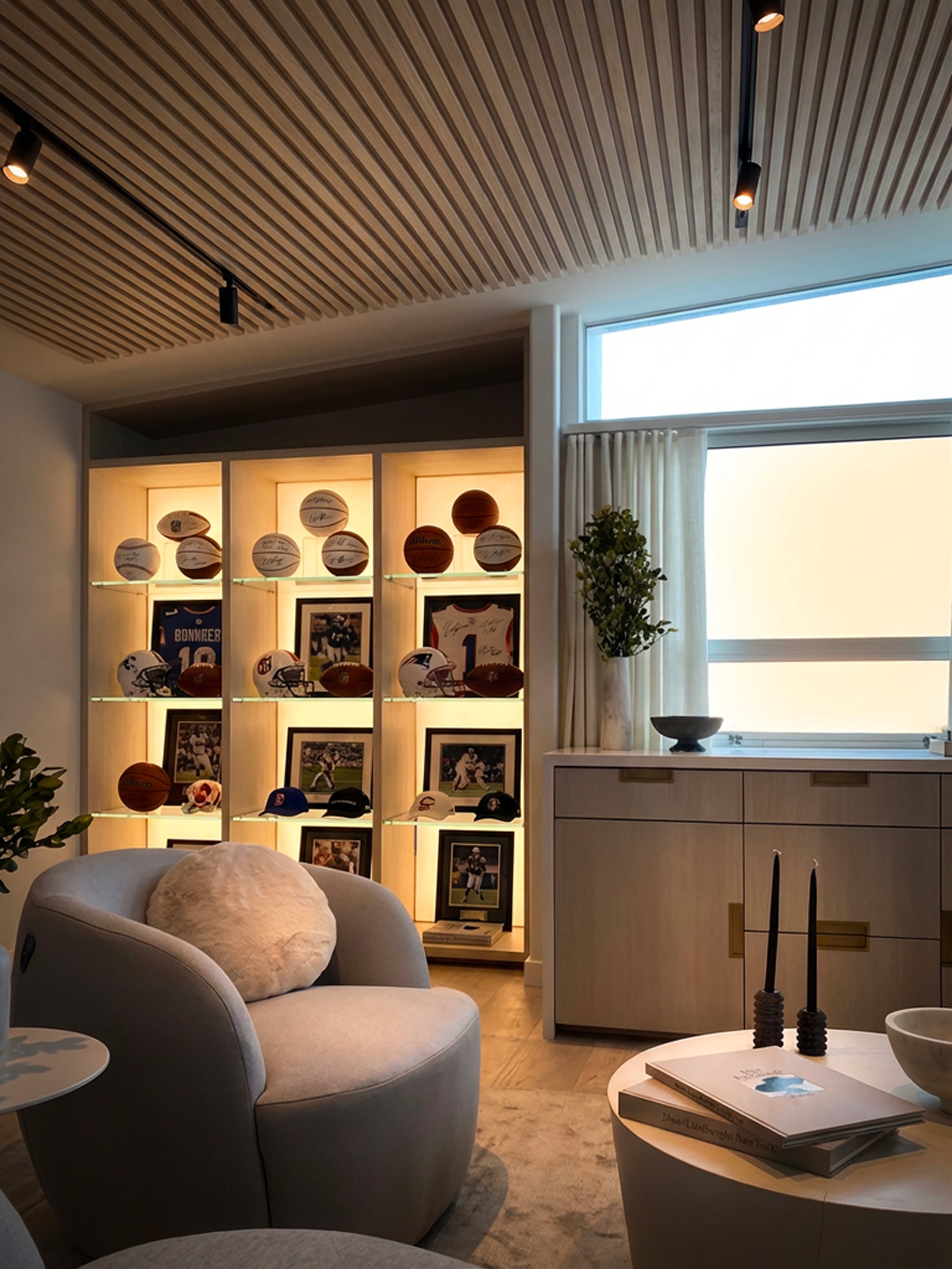
Integrated LED shelving highlights key pieces and collections
Open displays allow for quick swaps as new drops arrive
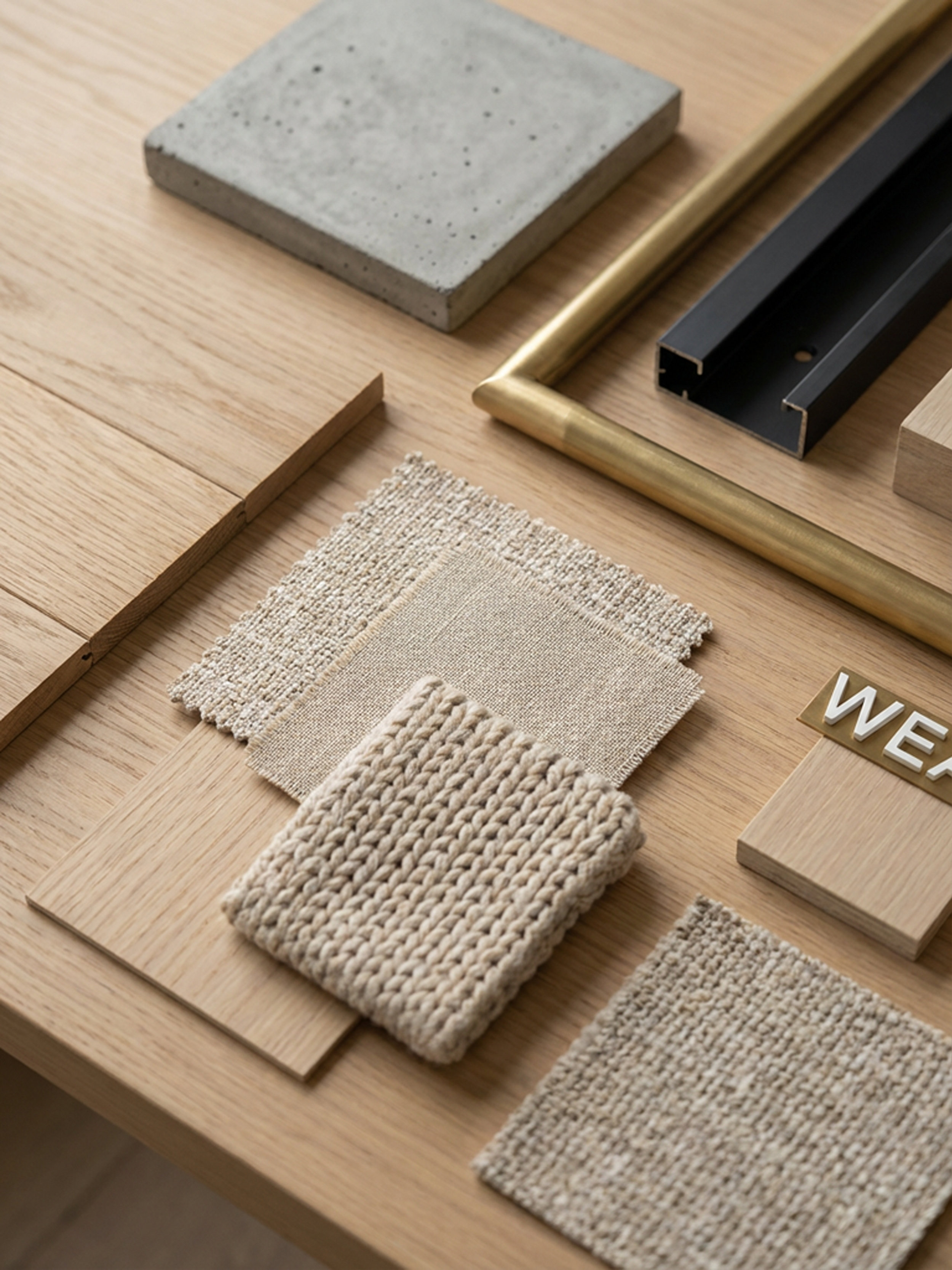
Neutral materiality keeps the focus on the product, not the millwork
Moments of personality—like memorabilia—layer in narrative without overwhelming the brand
The goal wasn’t to “decorate” the closet. It was to give the brand a physical presence.
Architecture That Disappears (So the Brand Doesn’t)
The restraint here is doing a lot of heavy lifting.
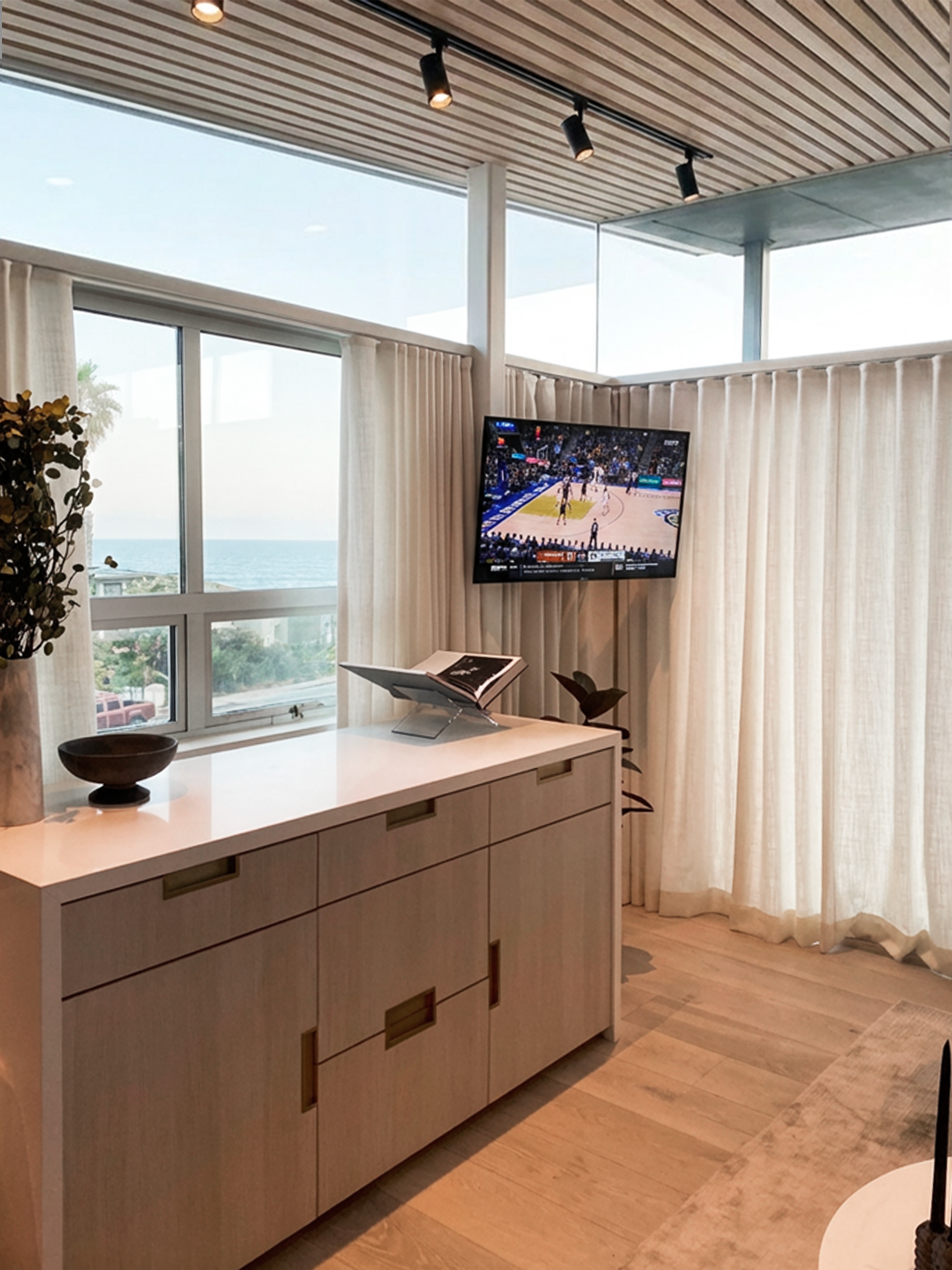
A slatted wood ceiling introduces rhythm without visual noise
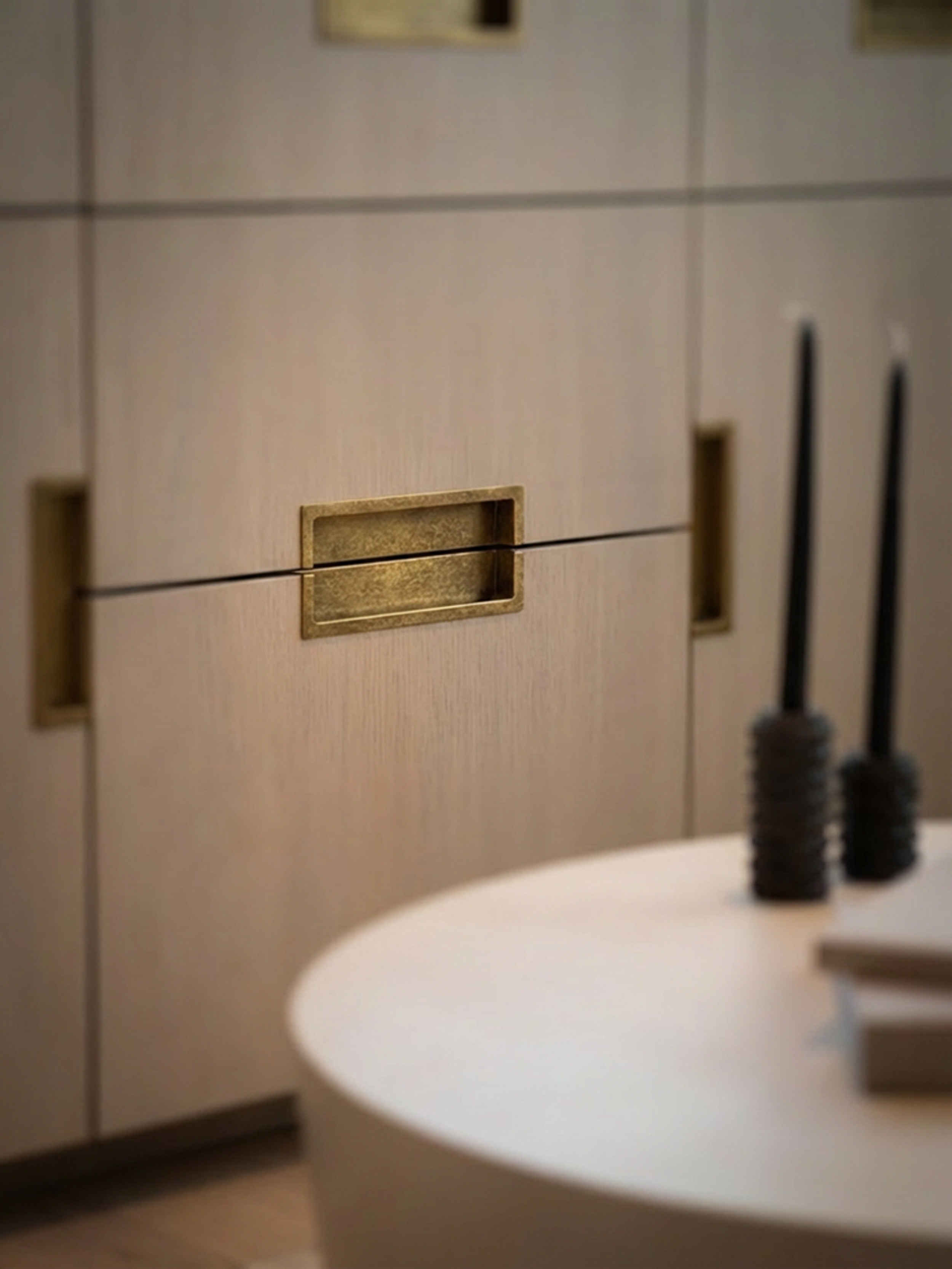
Flush panel cabinetry keeps the perimeter clean and uninterrupted
Soft, tonal materials create a calm backdrop for constant change
When you’re designing for someone whose wardrobe—and brand—is always evolving, the architecture has to step back.
This is a space designed to keep up, not compete.
Closet as Platform
What’s interesting about this project isn’t just how it looks—it’s what it enables.
This is where content gets captured.
Where collections are reviewed.
Where appearances begin.
And that’s the shift we’re seeing more and more:
Closets aren’t just private anymore—they’re operational.
For clients building something larger than themselves—a brand, a presence, a point of view—the closet becomes the most personal studio they have.