
The Panic Room, Reimagined
Designing a secure room through the lens of luxury closet designers.
Security Can Be Beautiful
Traditionally, panic rooms and bunkers are treated as purely technical spaces—engineered for protection, but visually stark, utilitarian, and often hidden behind heavy-handed design moves. At LA Closet Design, we approach these spaces differently.
From our perspective as luxury closet designers, a panic room shouldn’t feel like a bunker—it should feel like a private refuge. One that integrates seamlessly into the home, balances security with comfort, and is designed with the same intentionality as a bespoke dressing room.


Discretion Is the Ultimate Luxury
The most successful panic rooms are the ones you’d never notice.
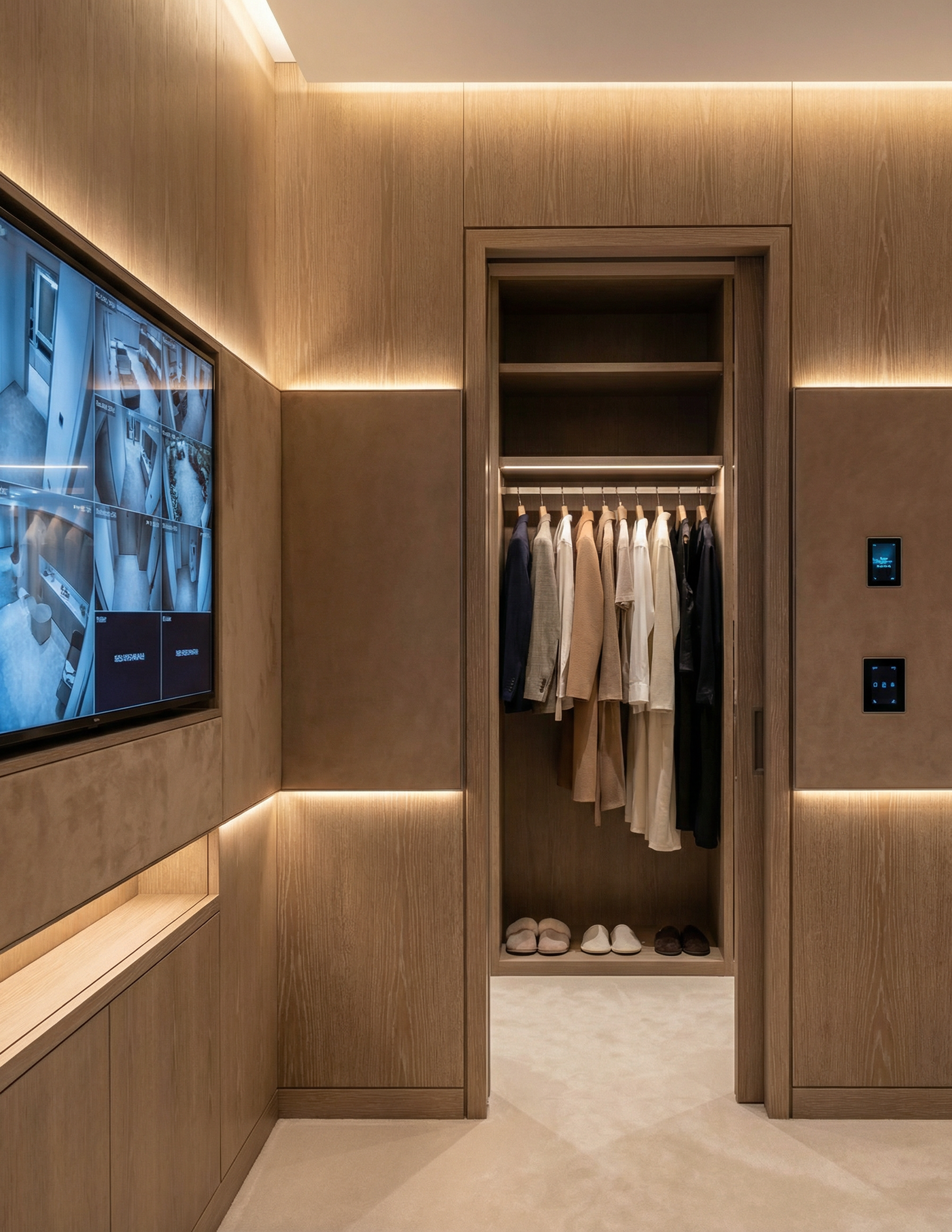
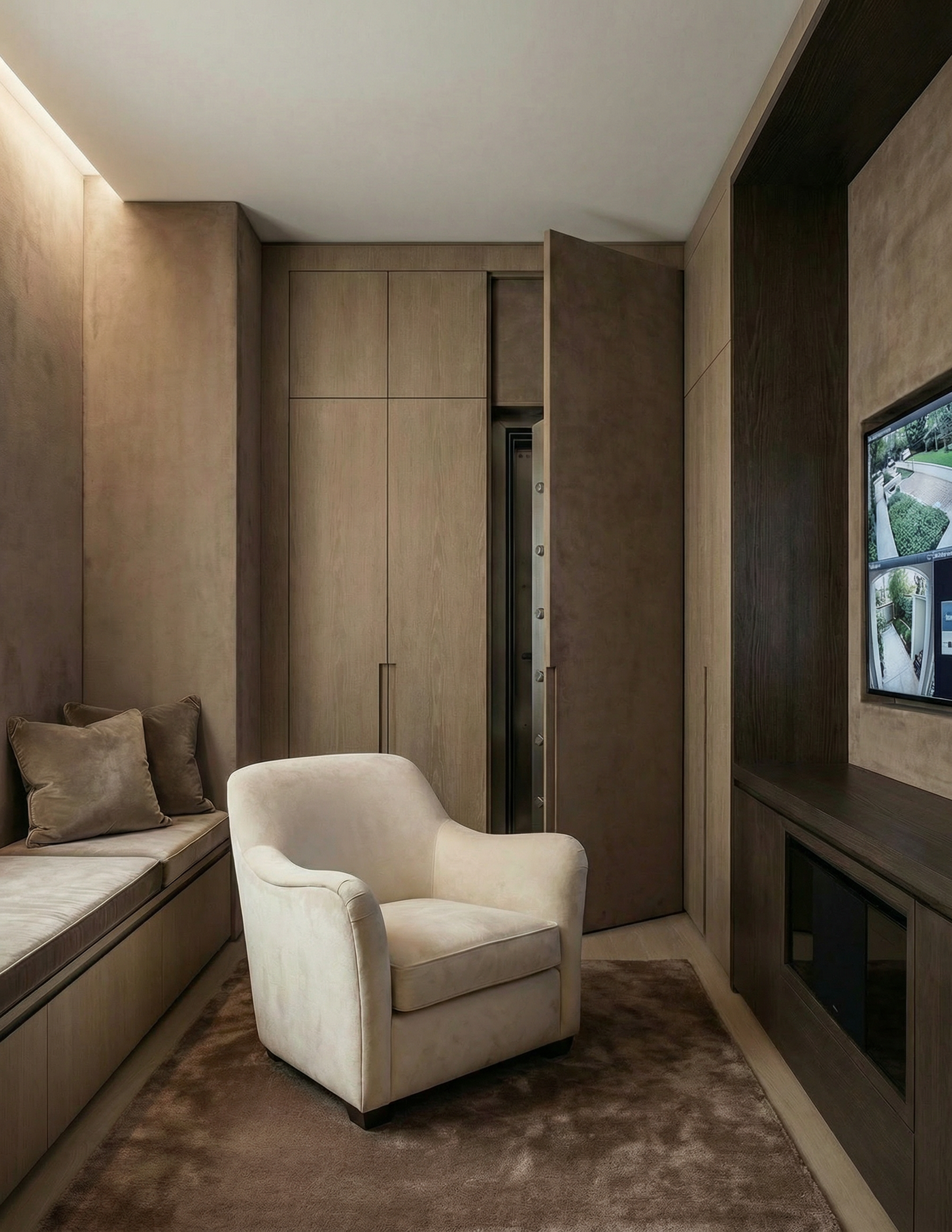
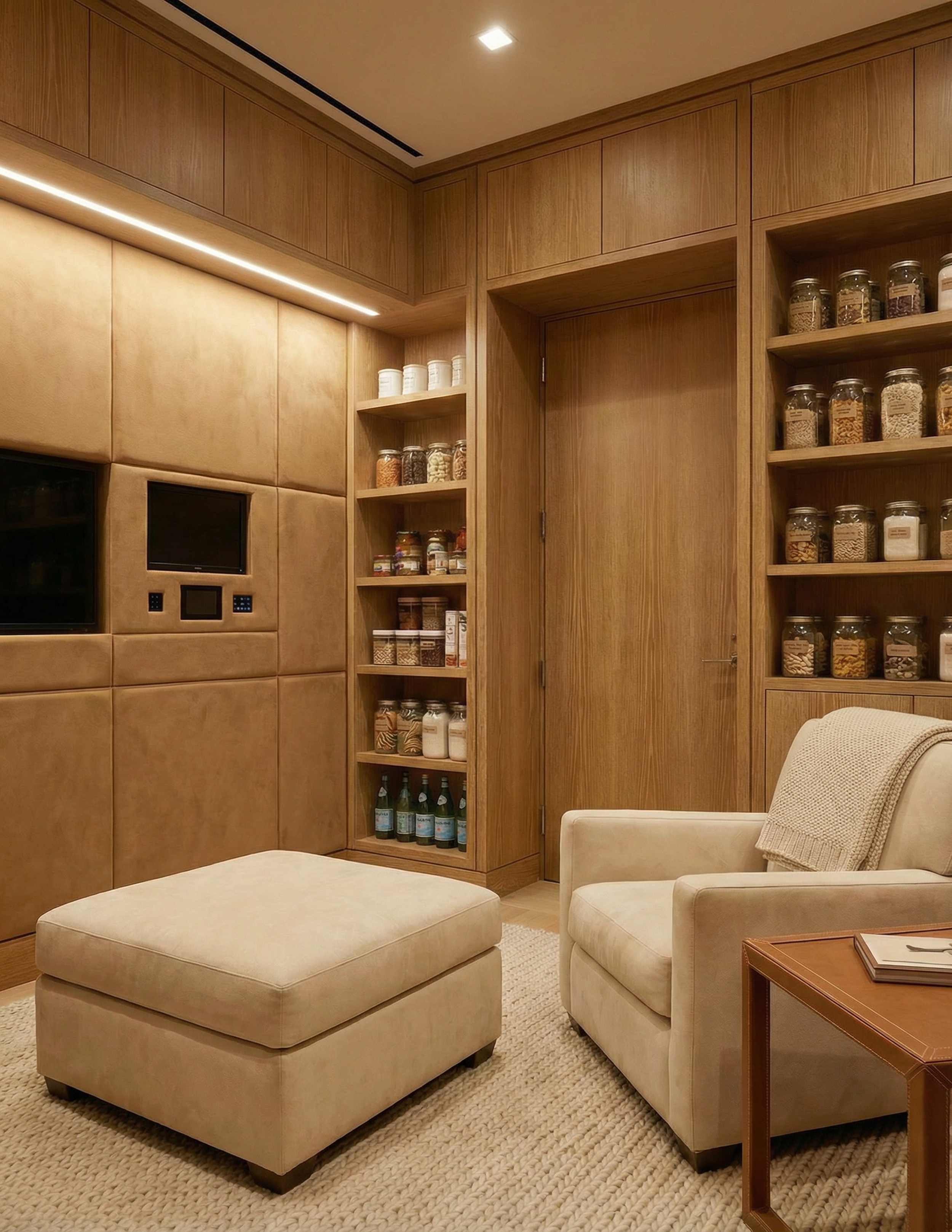
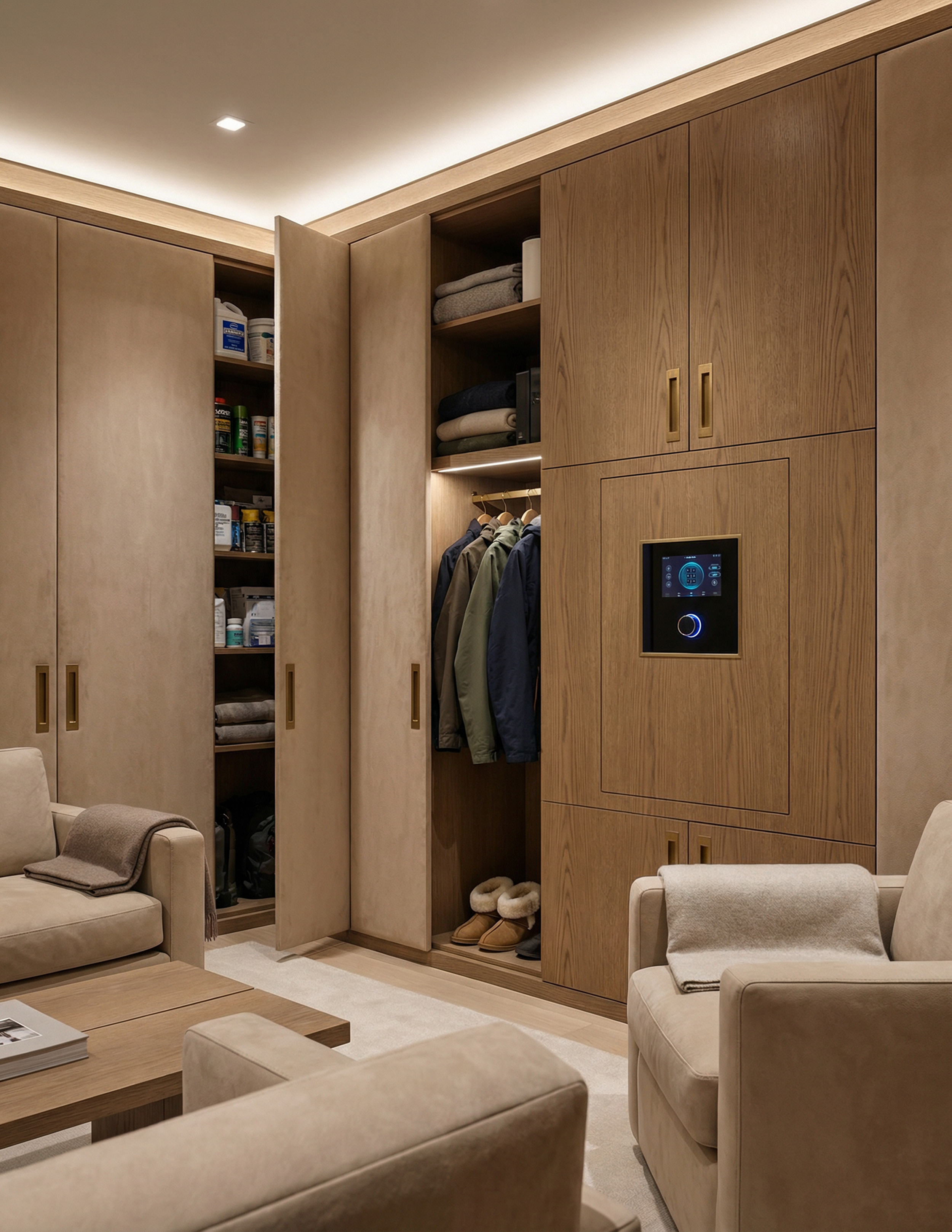
Borrowing from our experience designing concealed storage, hidden safes, and architectural millwork, we focus on camouflage and discretion. Entry points are often masked within what appears to be a wardrobe wall, millwork paneling, or a secondary closet door. Hardware is quiet. Sightlines are clean. Nothing signals what lies beyond.
Security, in this context, is about invisibility—not intimidation.
A Closet Designer’s Approach to Layout
Just like a dressing room, a panic room must be intuitive under pressure. Layout is everything.
We think in zones:
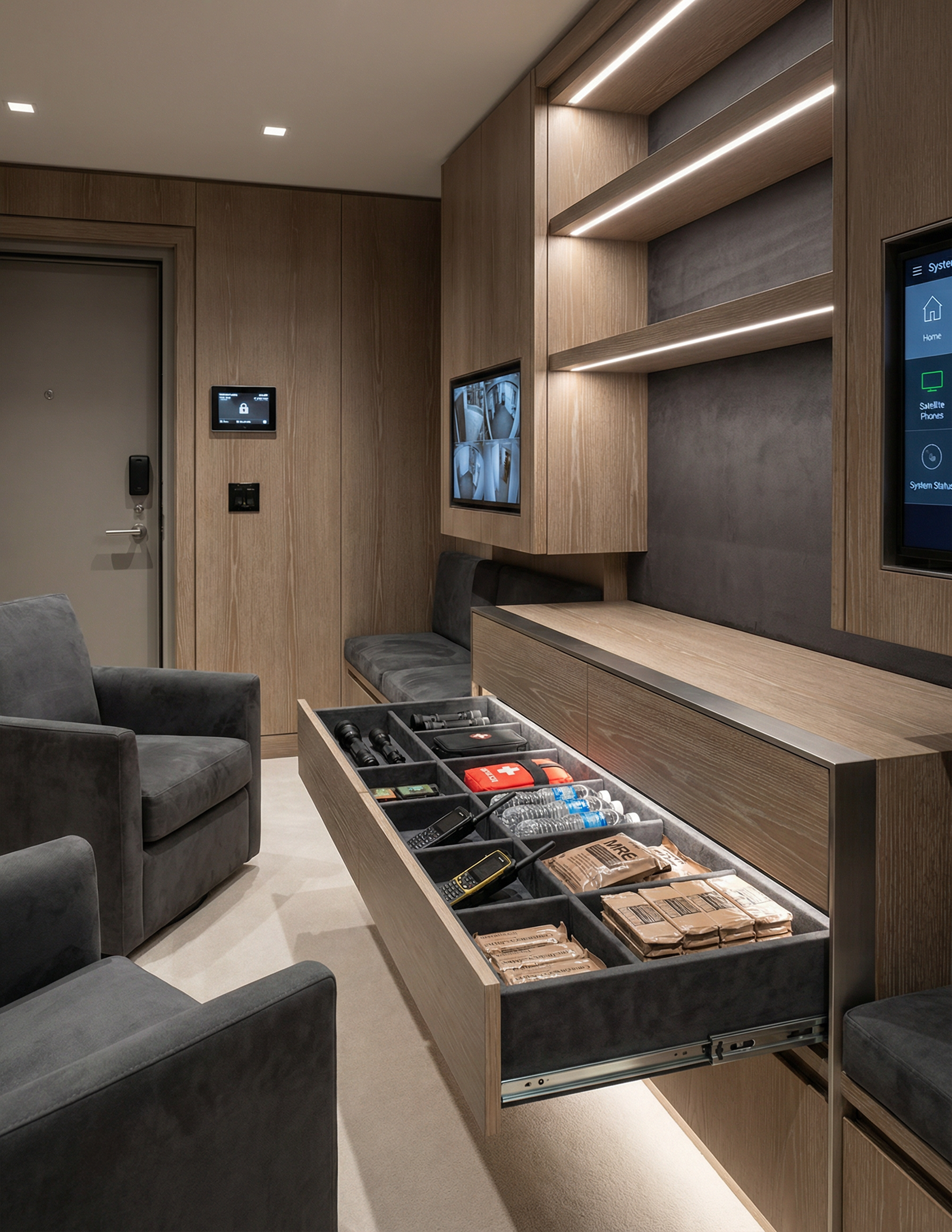
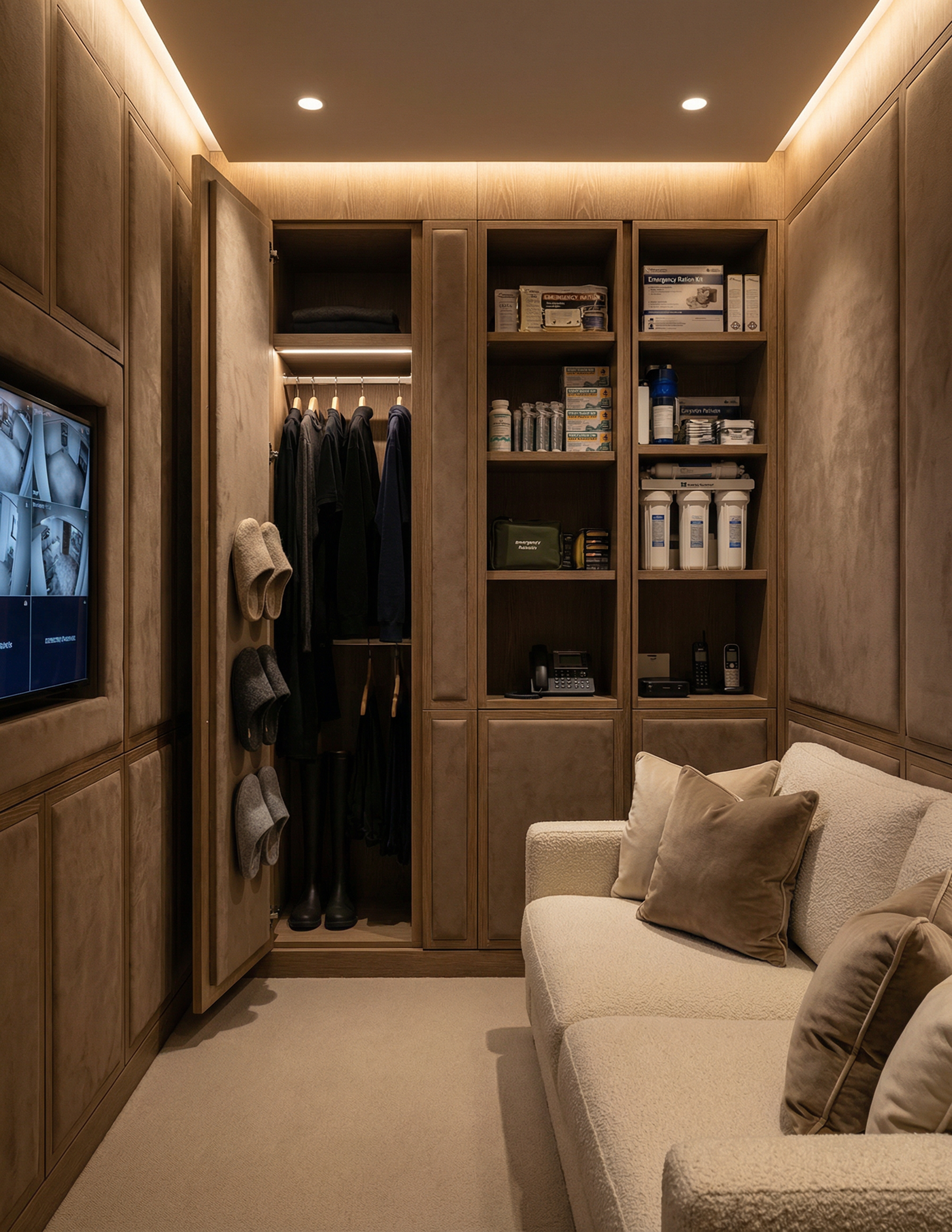
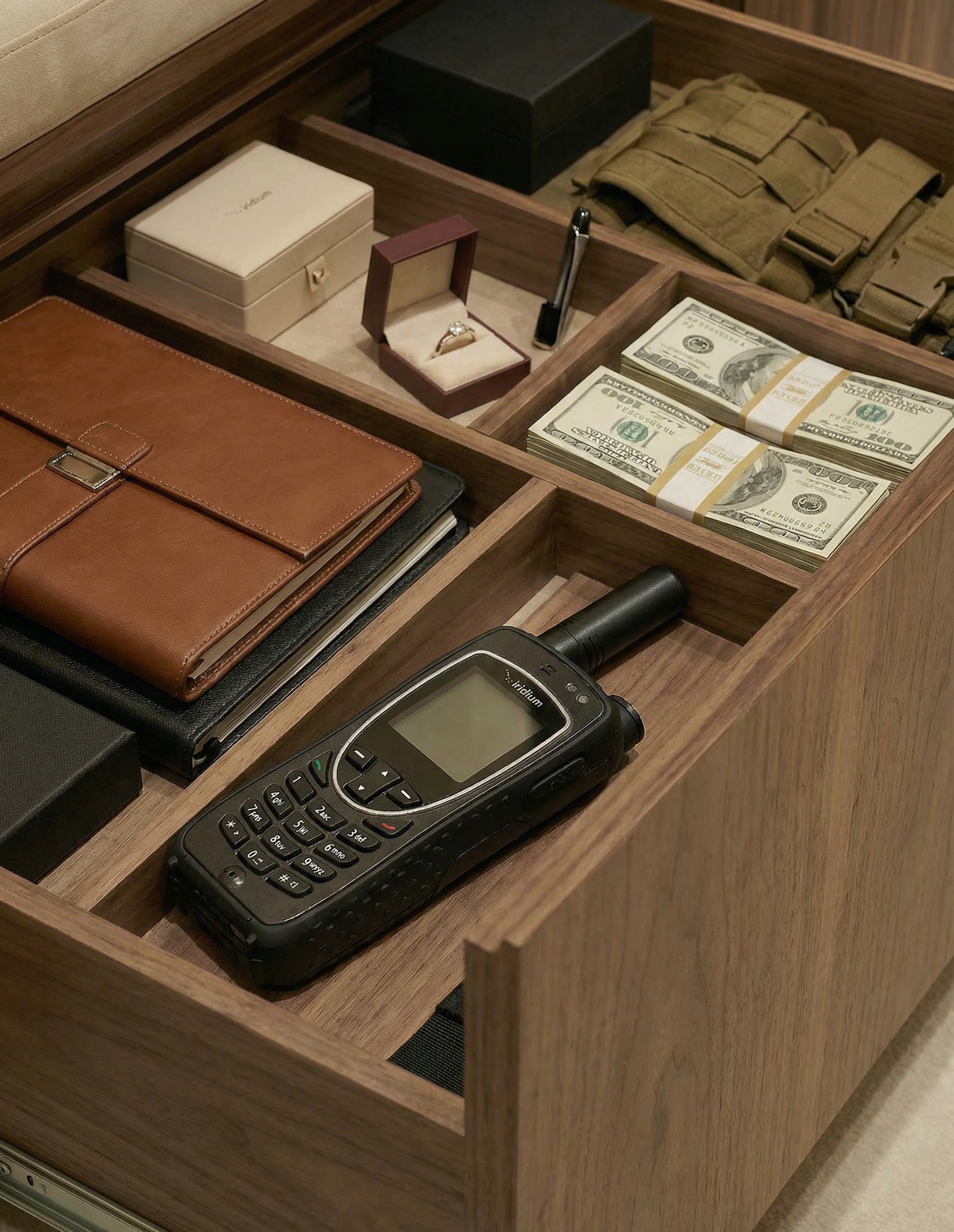
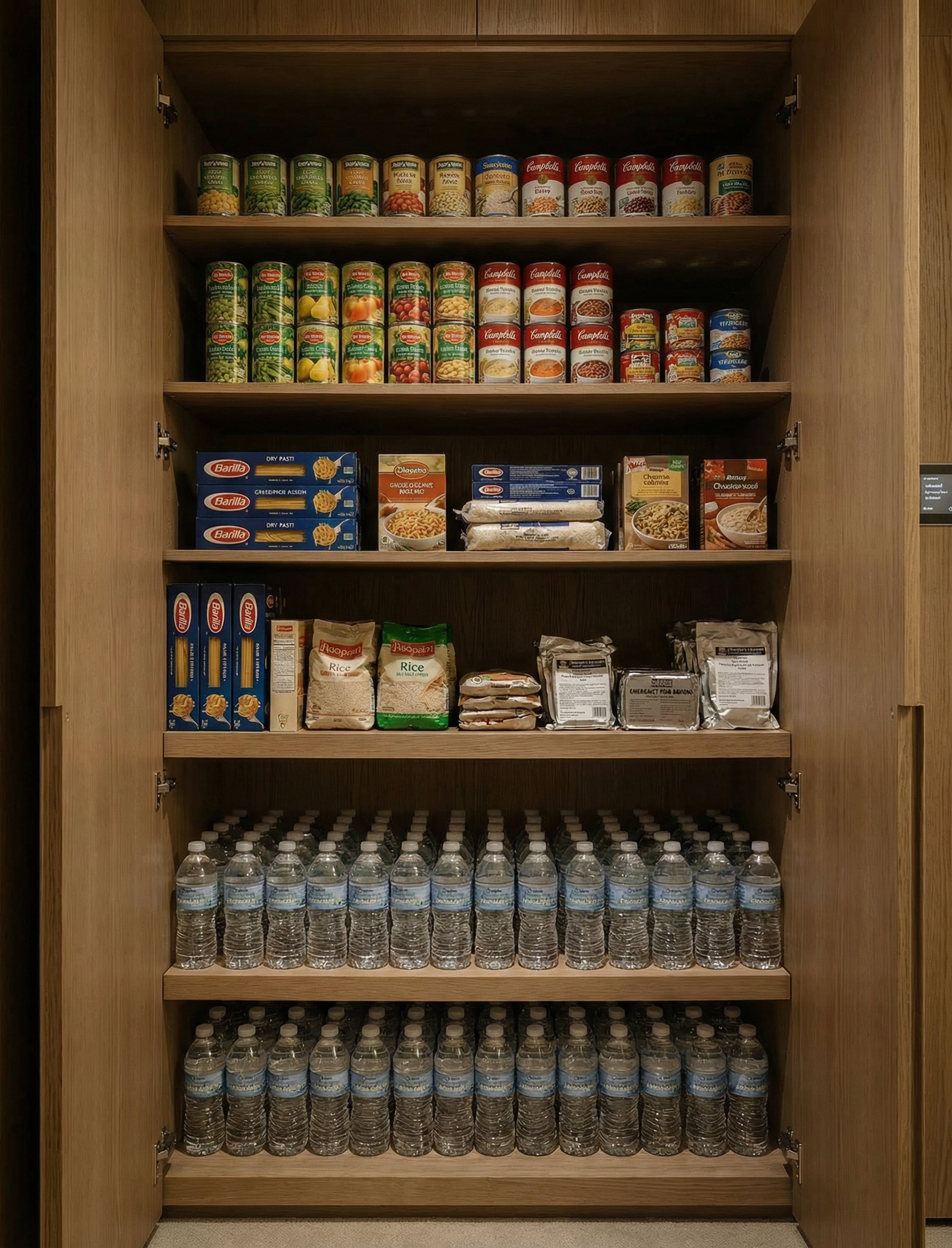
Storage zones for emergency supplies, valuables, documents, and essentials
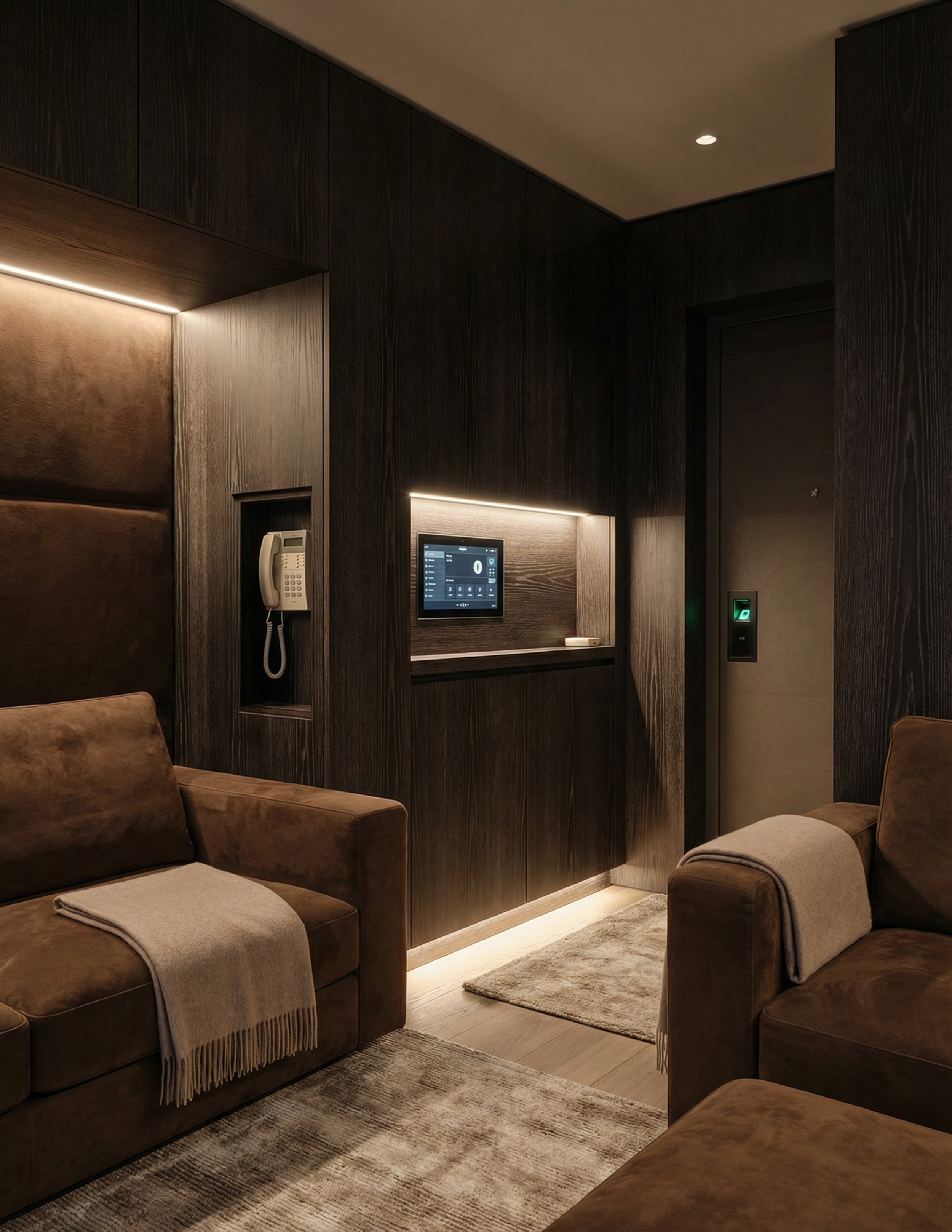
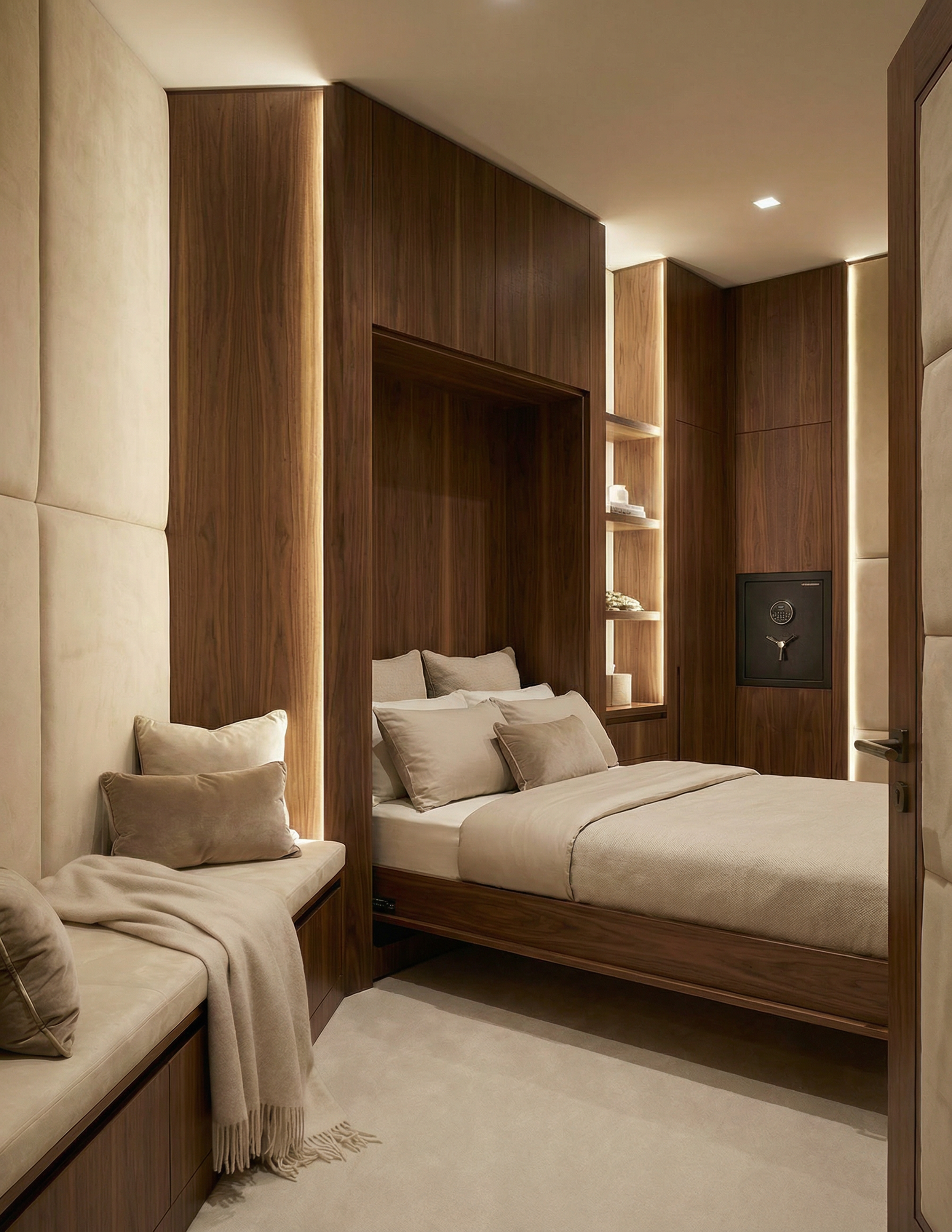
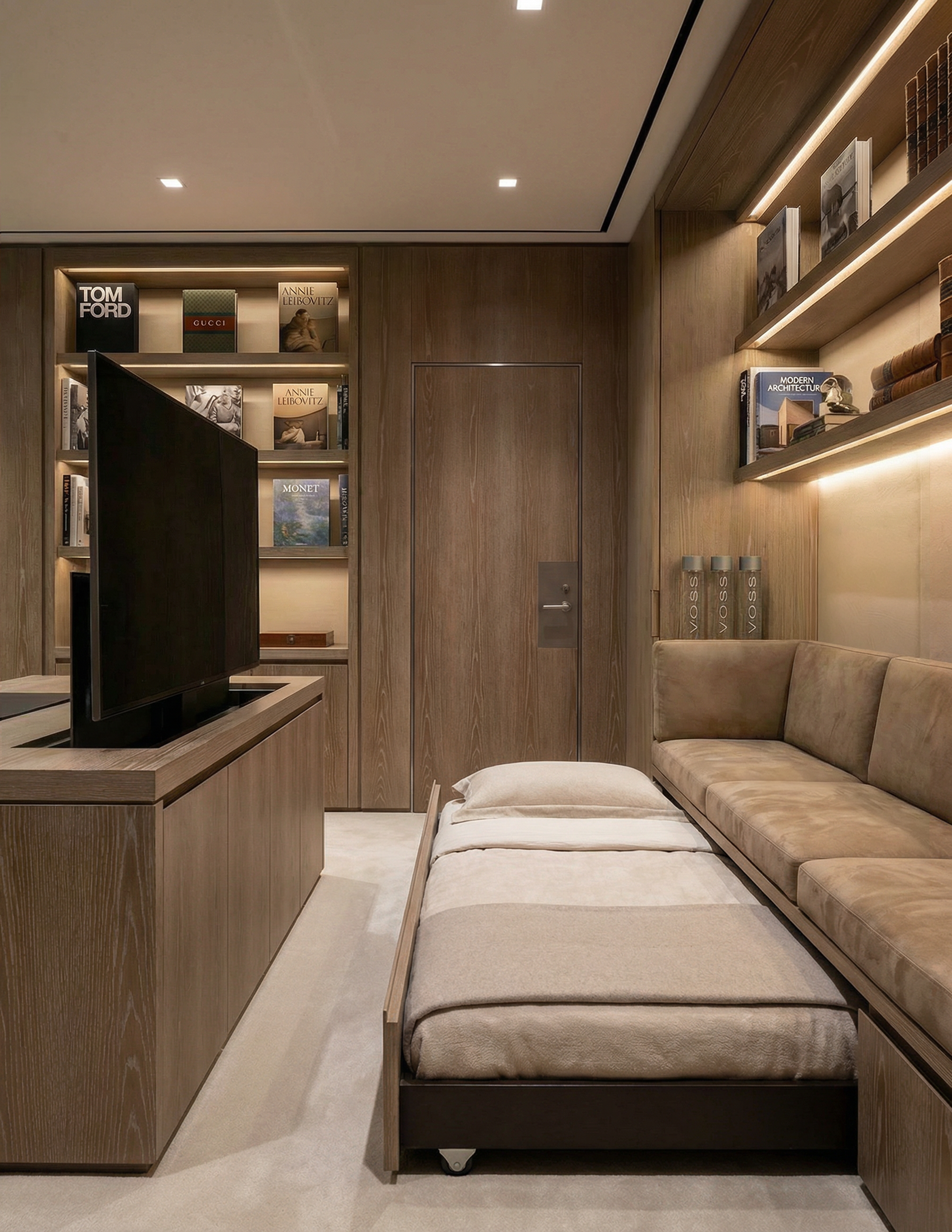
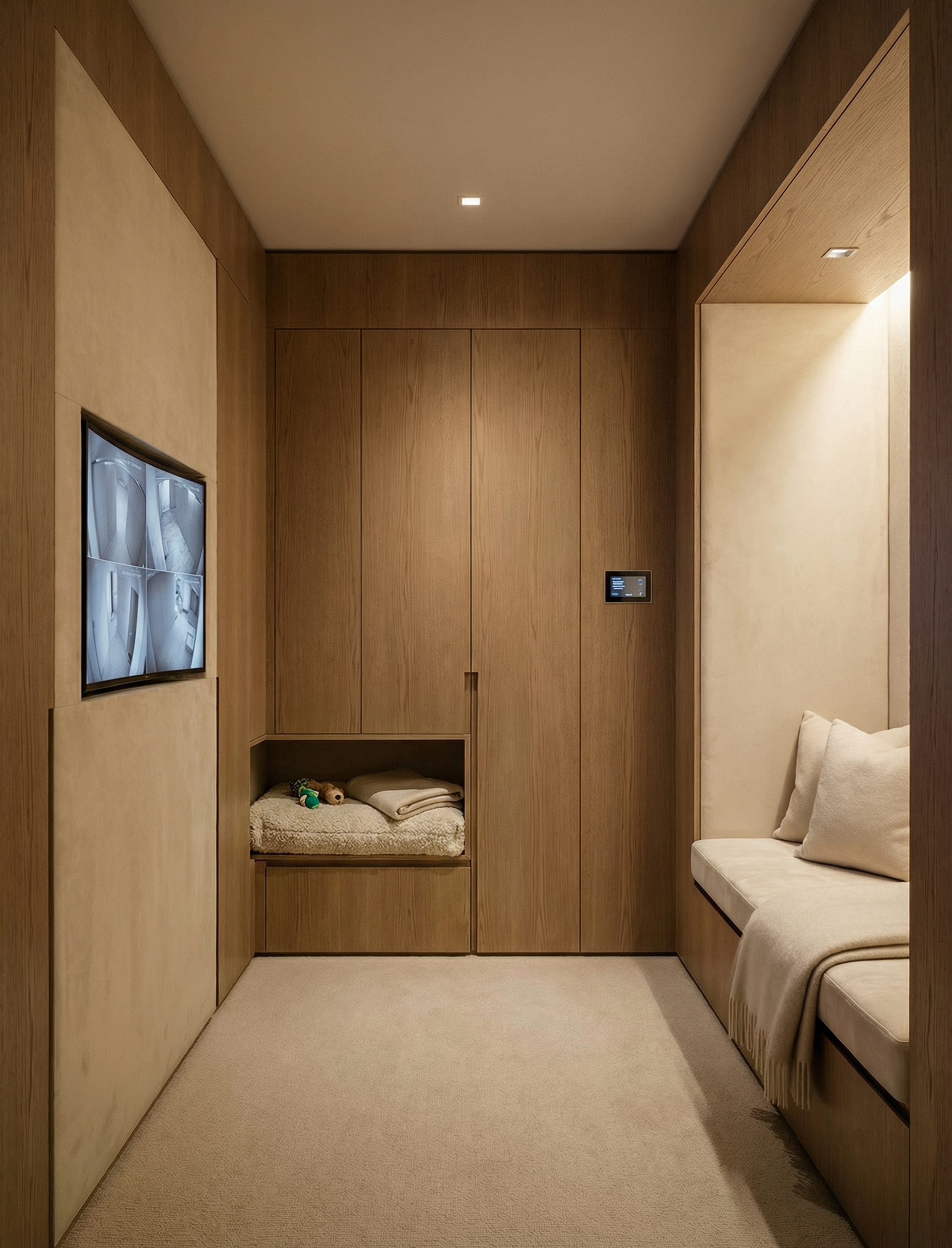
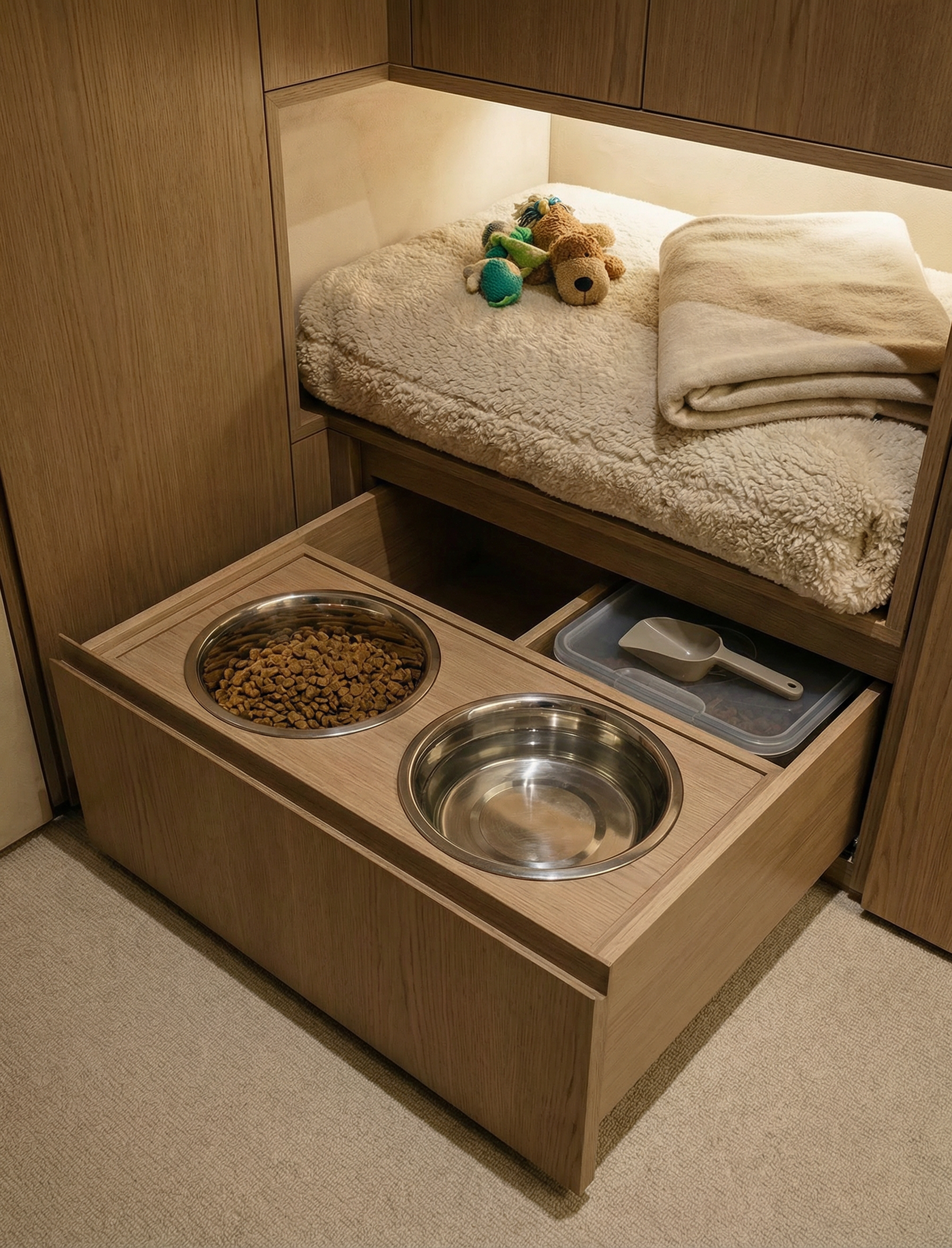
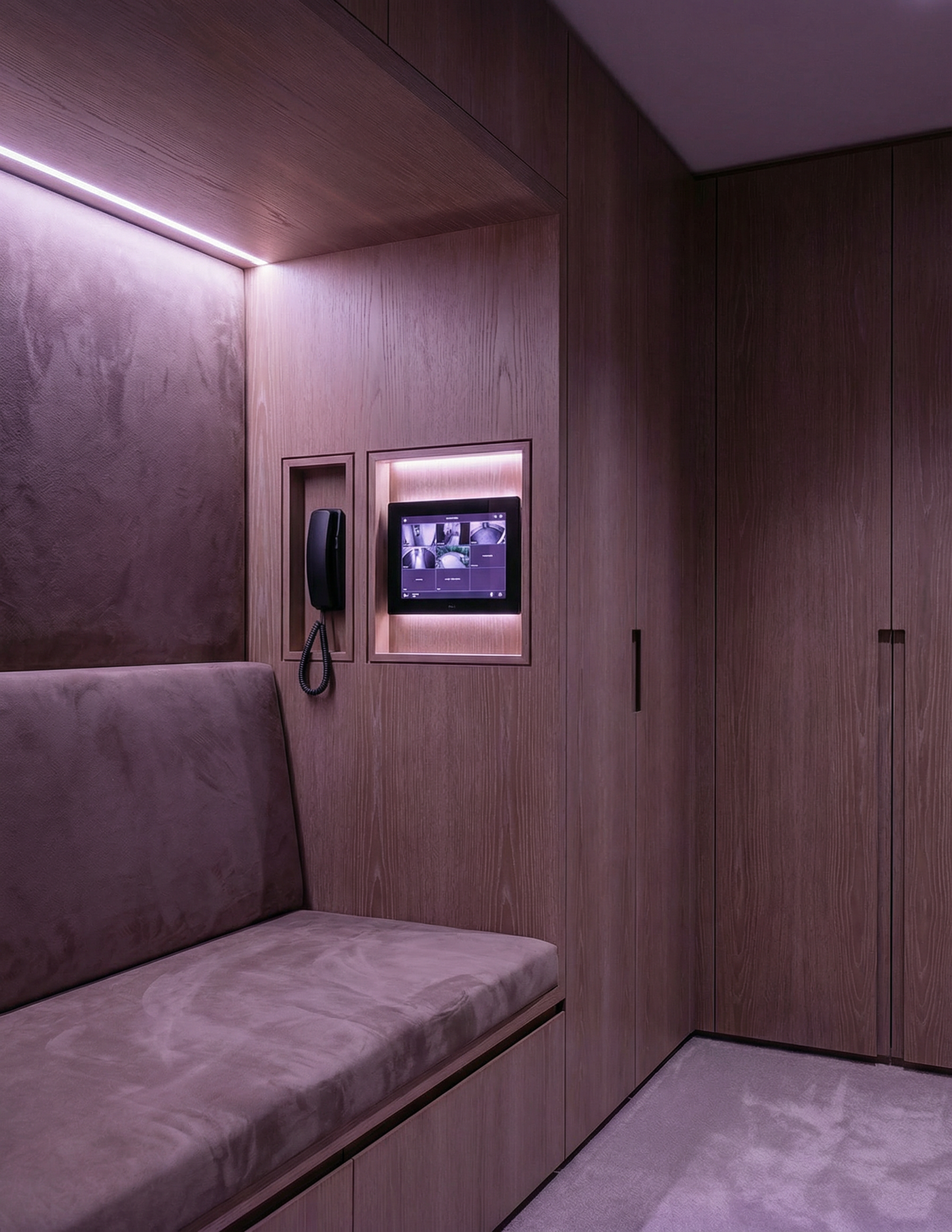
Flexible seating / sleeping solutions designed for comfort during extended stays
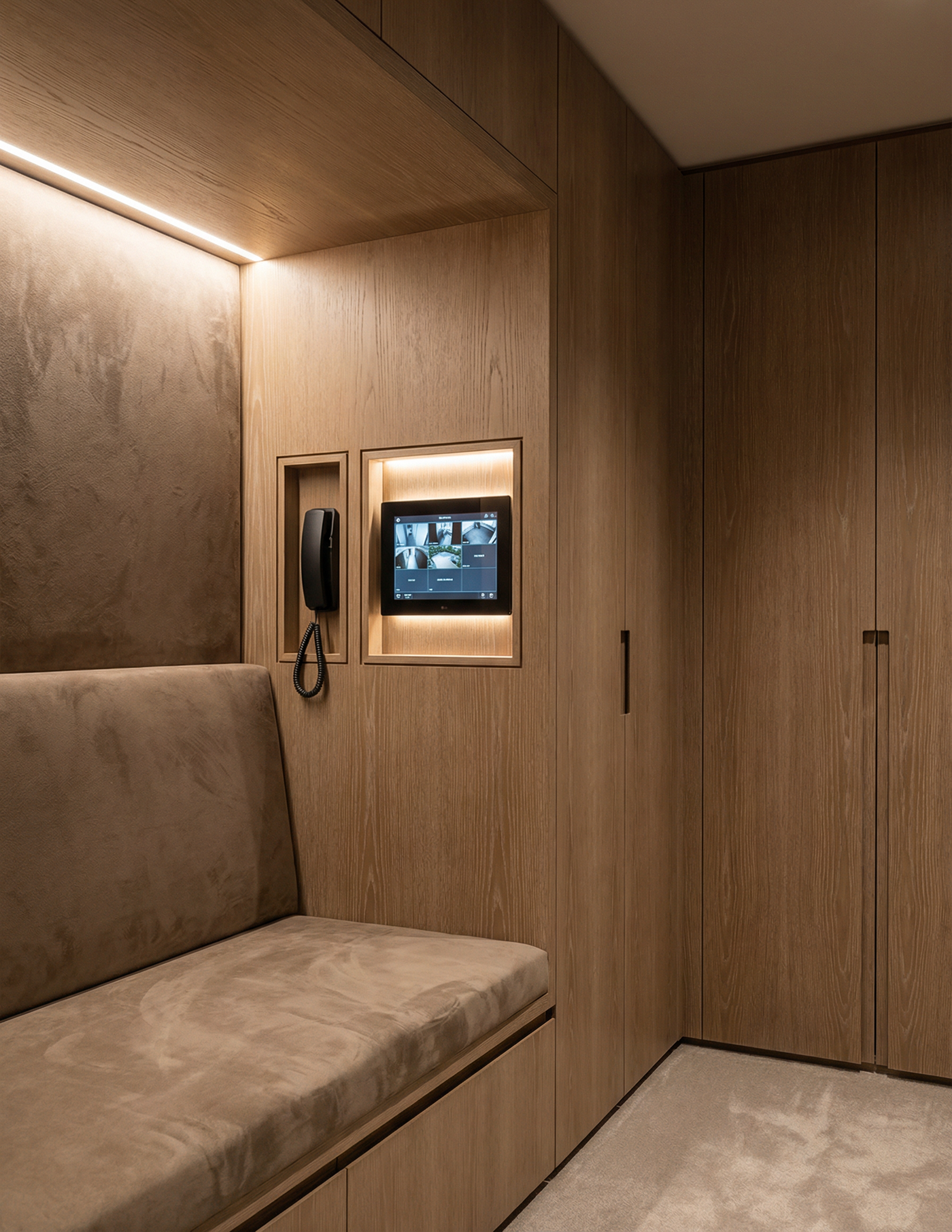
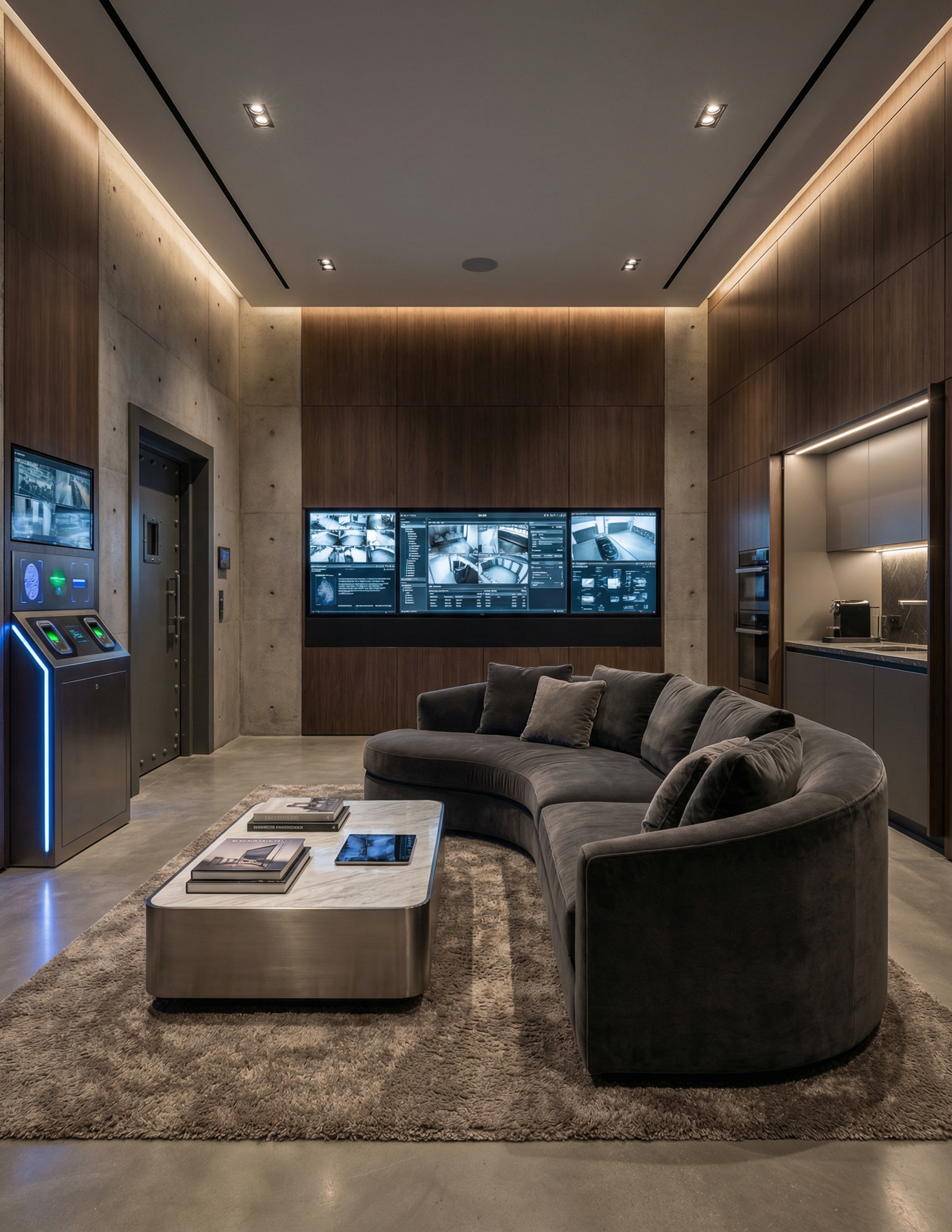
Utility zones that discreetly house ventilation, power backup, and communication systems
Clear circulation, ergonomic reach ranges, and built-in millwork ensure everything is accessible, calm, and considered—because in moments of stress, design should do the thinking for you.
Materials That Calm
Cold concrete and exposed steel may signal “security,” but they don’t support emotional comfort. Drawing from our closet work, we specify materials that ground and soften the space:
Warm wood veneers or lacquered millwork
Upholstered wall panels or leather-wrapped accents
Integrated lighting that avoids harsh glare
The goal is psychological safety as much as physical protection.


Integrated Storage, Elevated
This is where our background in bespoke storage and millwork becomes especially valuable.
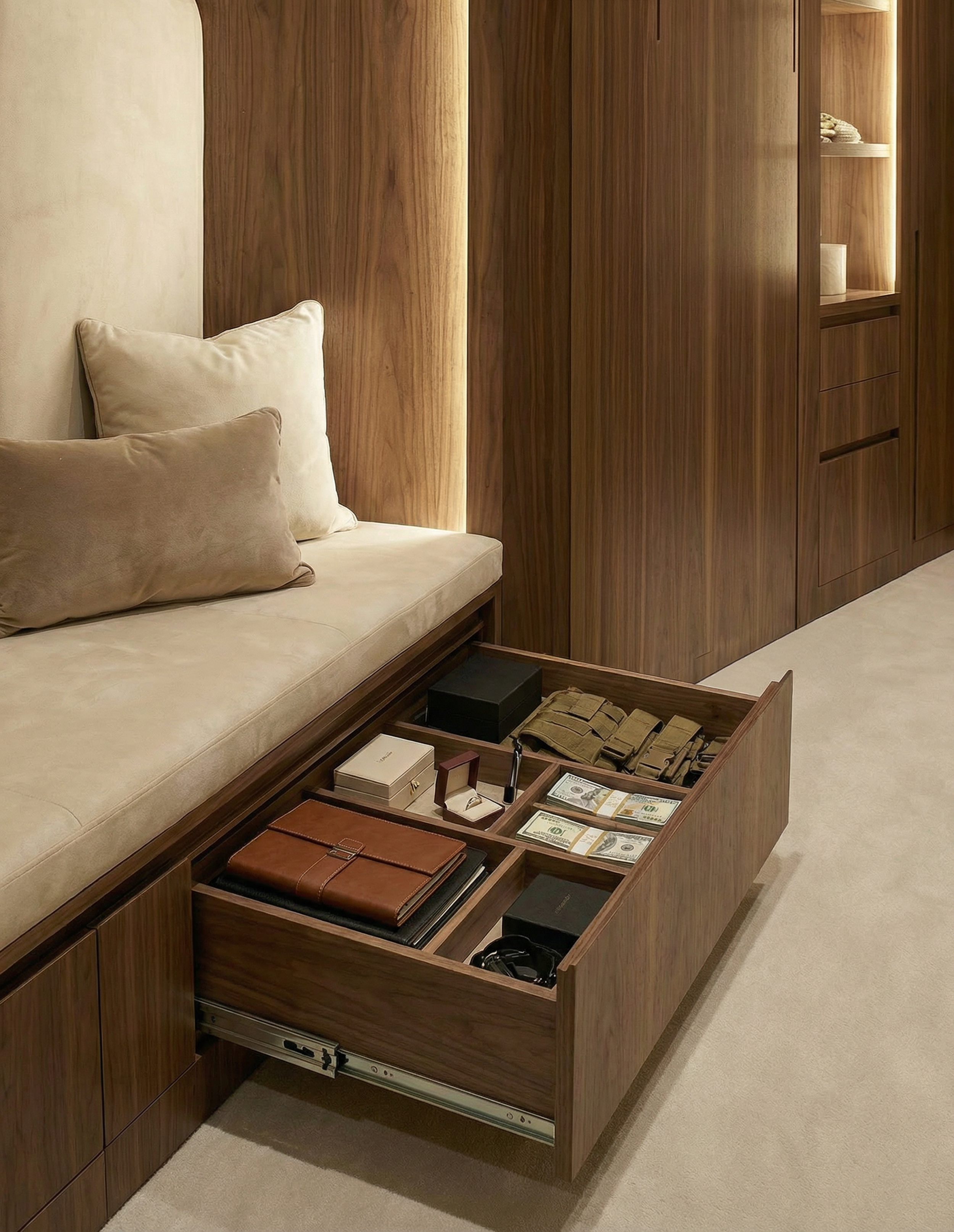
Within a luxury bunker or panic room, storage isn’t just about capacity—it’s about precision, concealment, and ease of use. We design custom cabinetry that discreetly integrates:
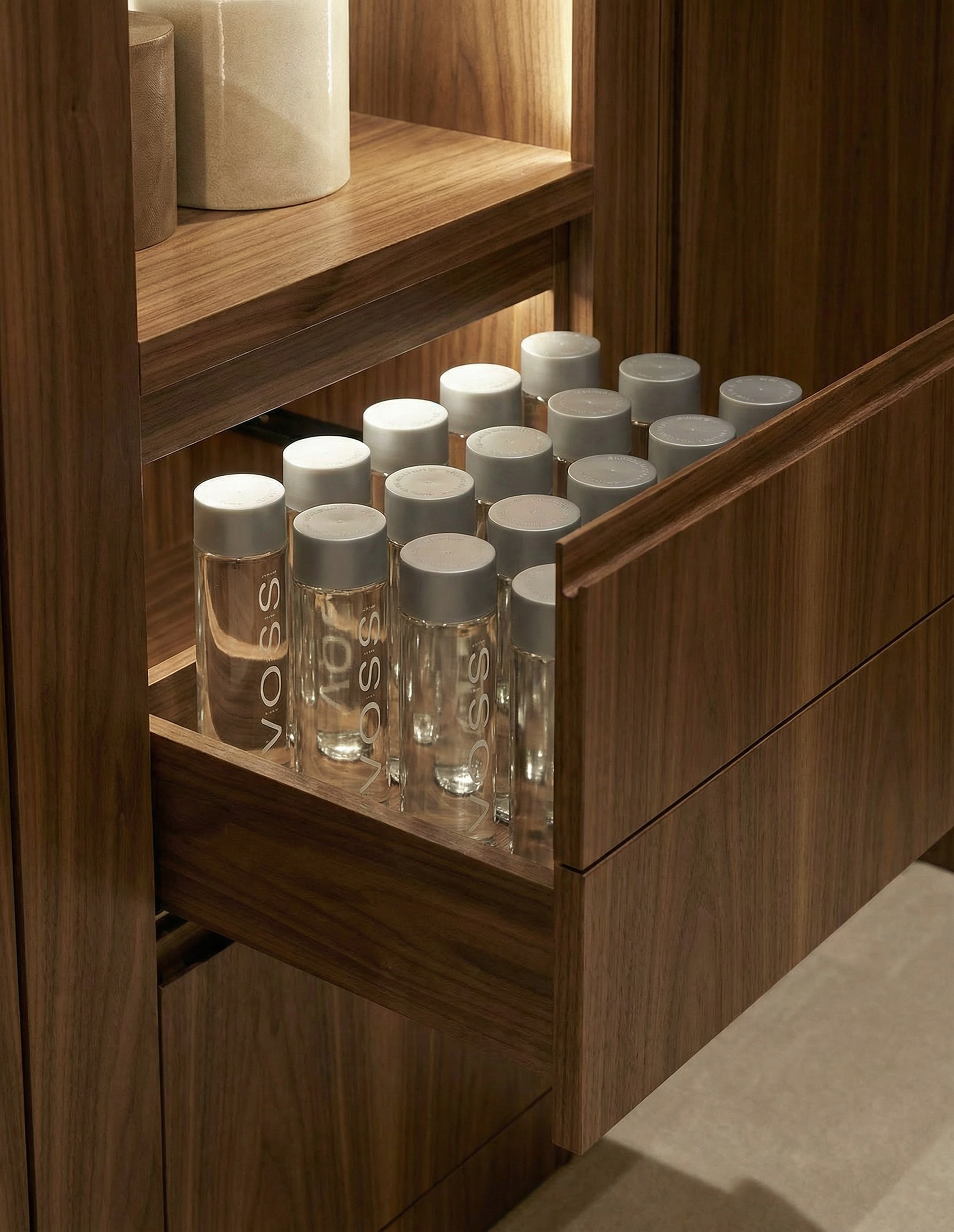
Pull-out drawers for emergency supplies and medical kits, sized so contents are visible at a glance
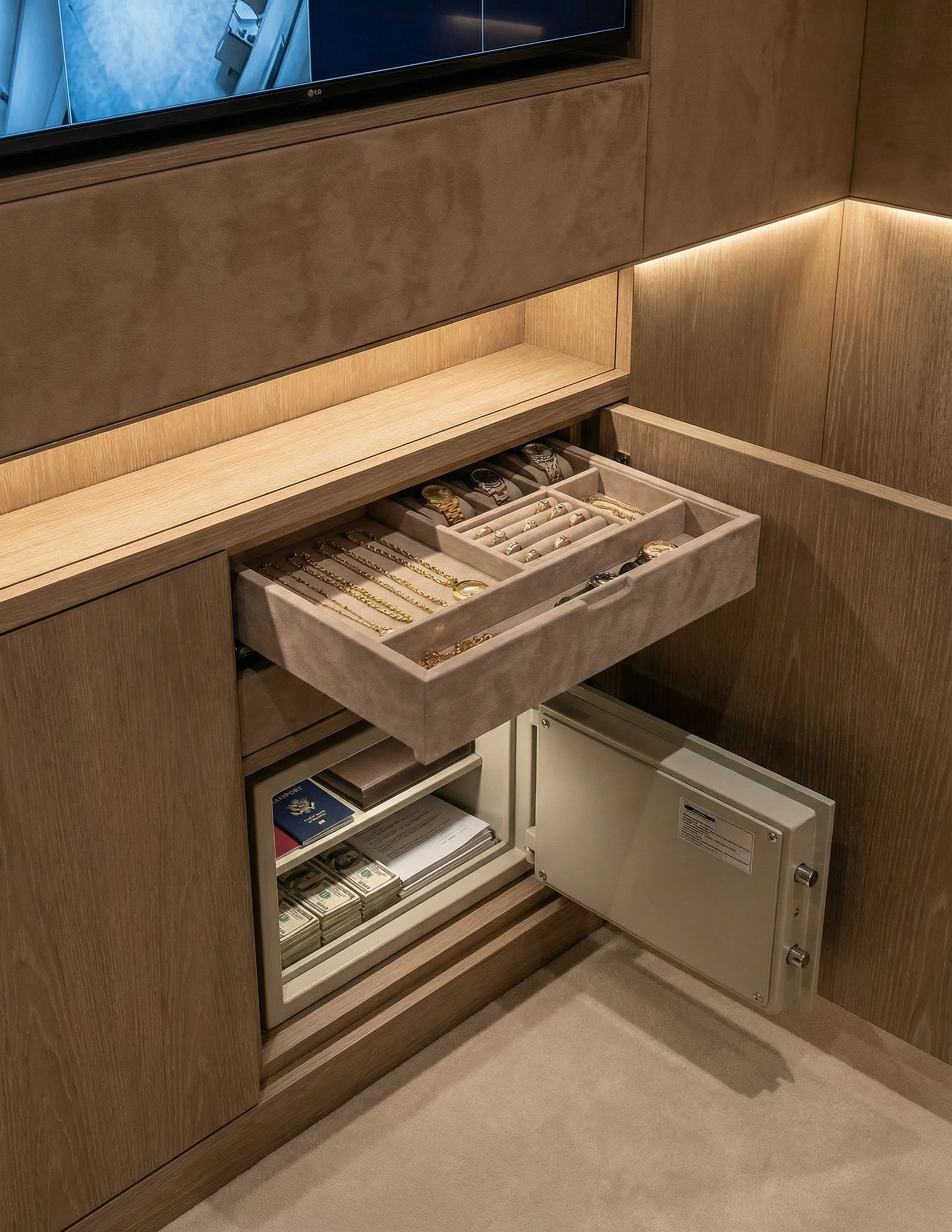
Hidden compartments for valuables, documents, and jewelry, concealed behind false backs or paneled millwork
Modular shelving that can adapt over time as needs change, without reworking the room
Nothing feels improvised. Everything is intentional.
Clever Features You’d Never Notice
Much like our most sophisticated closets, the most impressive elements are often invisible.
In collaboration with security and systems consultants, we design millwork to accommodate:
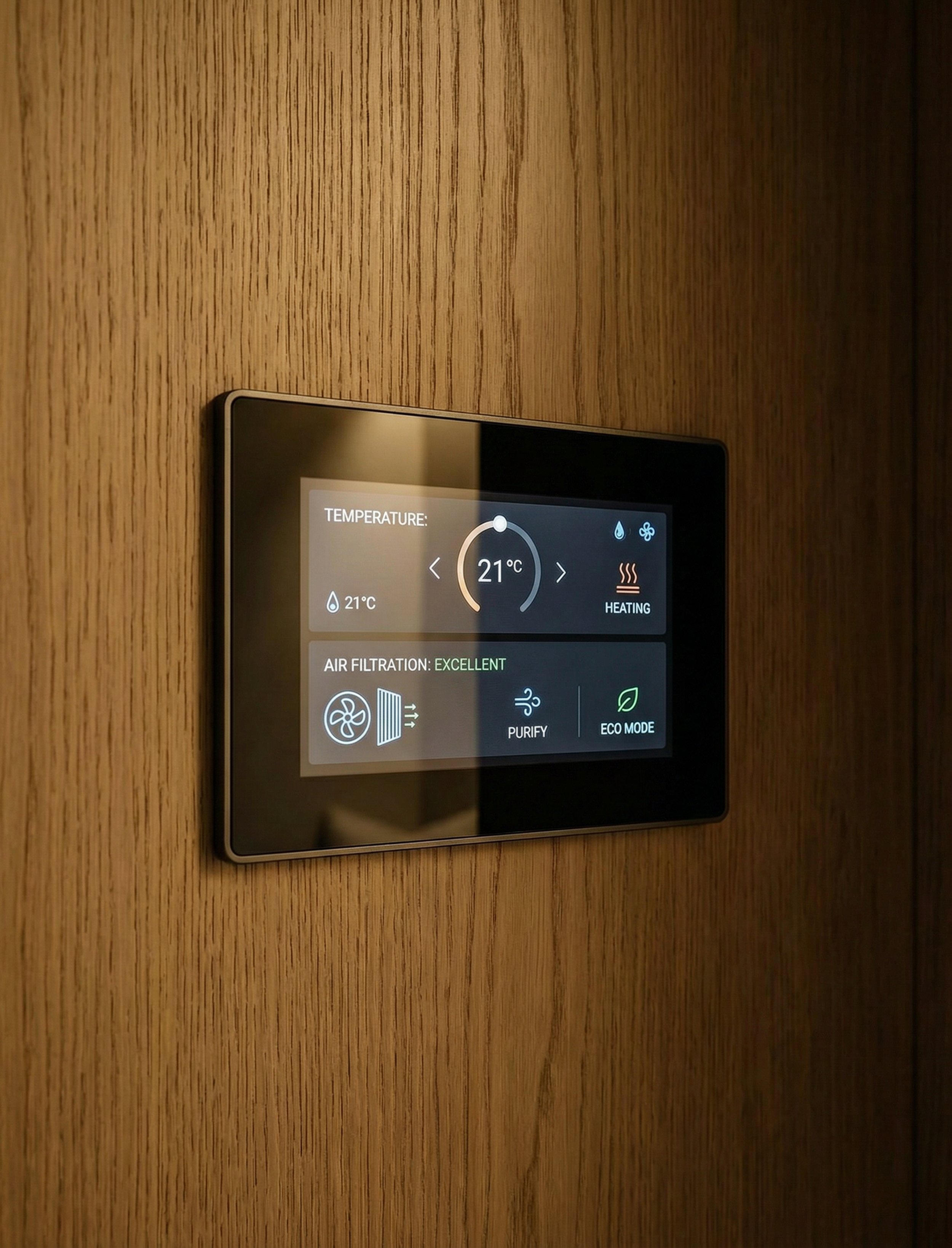
Ventilation and air-filtration systems concealed within cabinetry or ceiling details
Backup power and battery storage hidden behind service panels that maintain a residential aesthetic
Refrigerated or temperature-controlled compartments seamlessly integrated for food, medicine, or specialty storage
Sound insulation and acoustic paneling layered behind upholstered walls to maintain quiet and privacy
The space reads calm and residential—never technical or industrial.

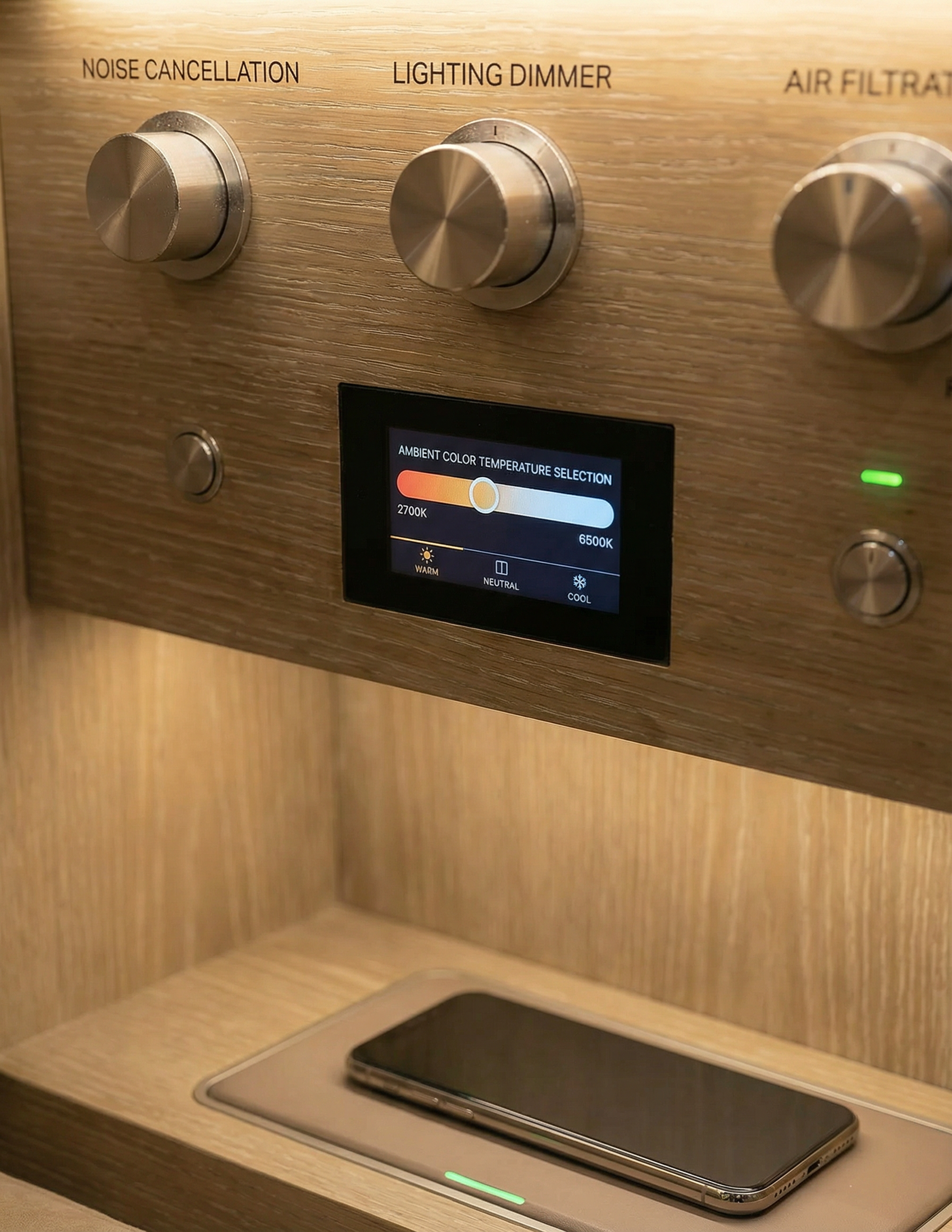
Lighting, Control, and Automation
As with our luxury closets, lighting is treated as both a functional and emotional tool.
We often incorporate:
Layered lighting systems with ambient, task, and low-level night lighting
Preset lighting scenes designed to reduce stress and visual fatigue
Touchless or automated controls discreetly integrated into millwork or wall panels
In some designs, technology is intentionally minimal and intuitive—because in high-pressure moments, simplicity matters.


Designed for Real Life, Not Fear
The best panic rooms aren’t designed around worst-case scenarios—they’re designed around the people who might use them.
Whether that means incorporating soft seating, climate control, subtle soundproofing, or even a small refreshment or storage area, these rooms should support both physical security and emotional steadiness.
In other words: protection without panic.