
Closets by Climate
Why Climate, Geography, and Lifestyle Shape the Perfect Wardrobe
At first glance, a closet might seem universal. Hanging rods, shelves, drawers — repeat.
But in reality, no two closets should ever be designed the same, because the environment surrounding them and lifestyle of each occupant is different. Climate, geography, seasonal wardrobes, and even local architecture influence how a closet should function.
Designing for clients across the country (and internationally) means thinking ahead to anticipate the region-specific needs of our clients.
A closet in Aspen behaves differently than one in Miami. A penthouse in New York requires different storage strategies than an estate in Texas.
Here are a few of the ways geography shapes great closet design.
Humidity: The Silent Wardrobe Destroyer
Humidity is one of the biggest threats to luxury wardrobes.
In coastal climates — places like Miami, Palm Beach, Charleston, or Southeast Asia— moisture in the air can quietly damage clothing, handbags, and shoes over time.
High humidity can cause:
• leather to warp or grow mildew
• metal hardware to tarnish
• silk and delicate fabrics to deteriorate
• wood cabinetry to expand or bow
Because of this, we like to incorporate:
• ventilated cabinetry panels
• integrated dehumidification systems
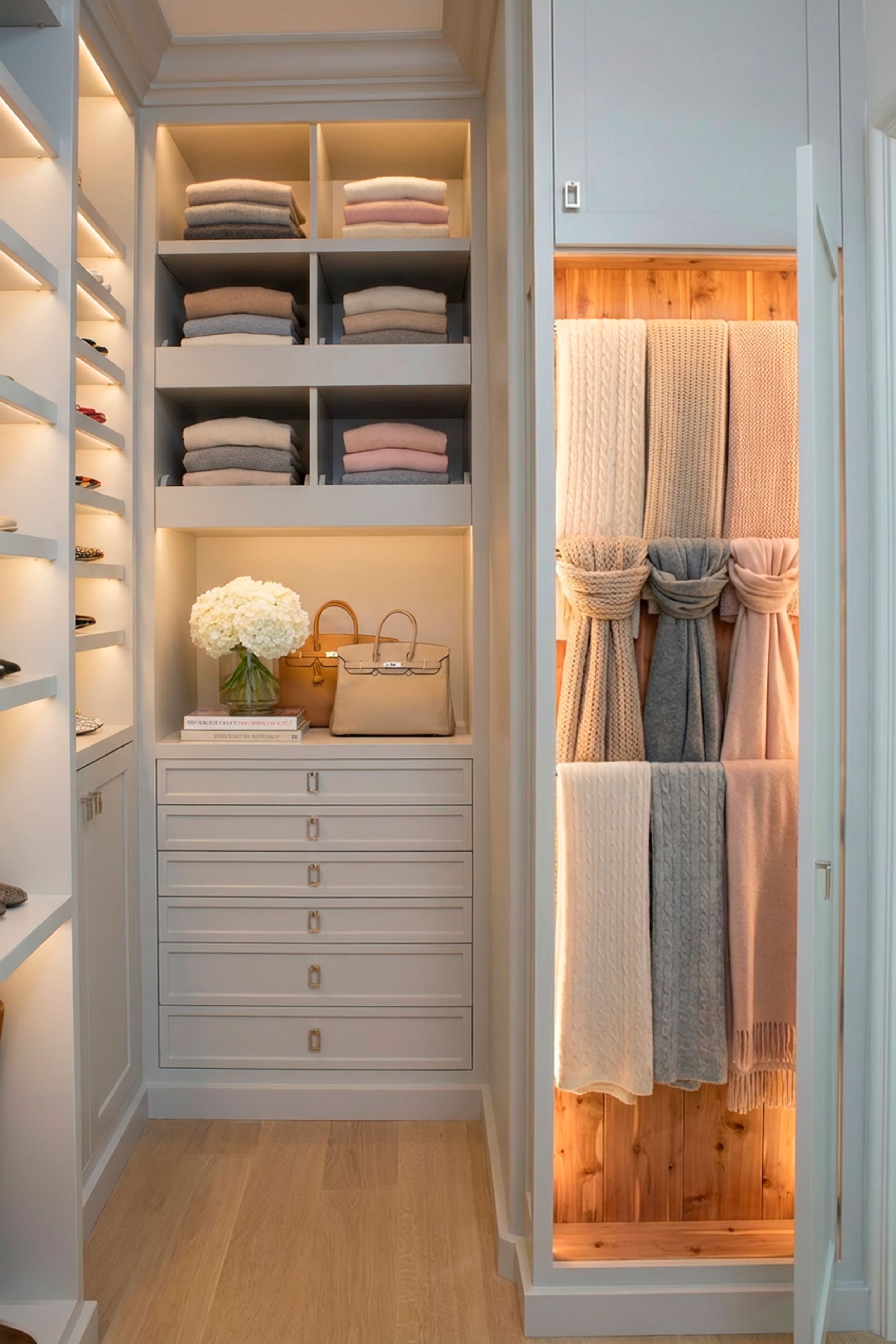
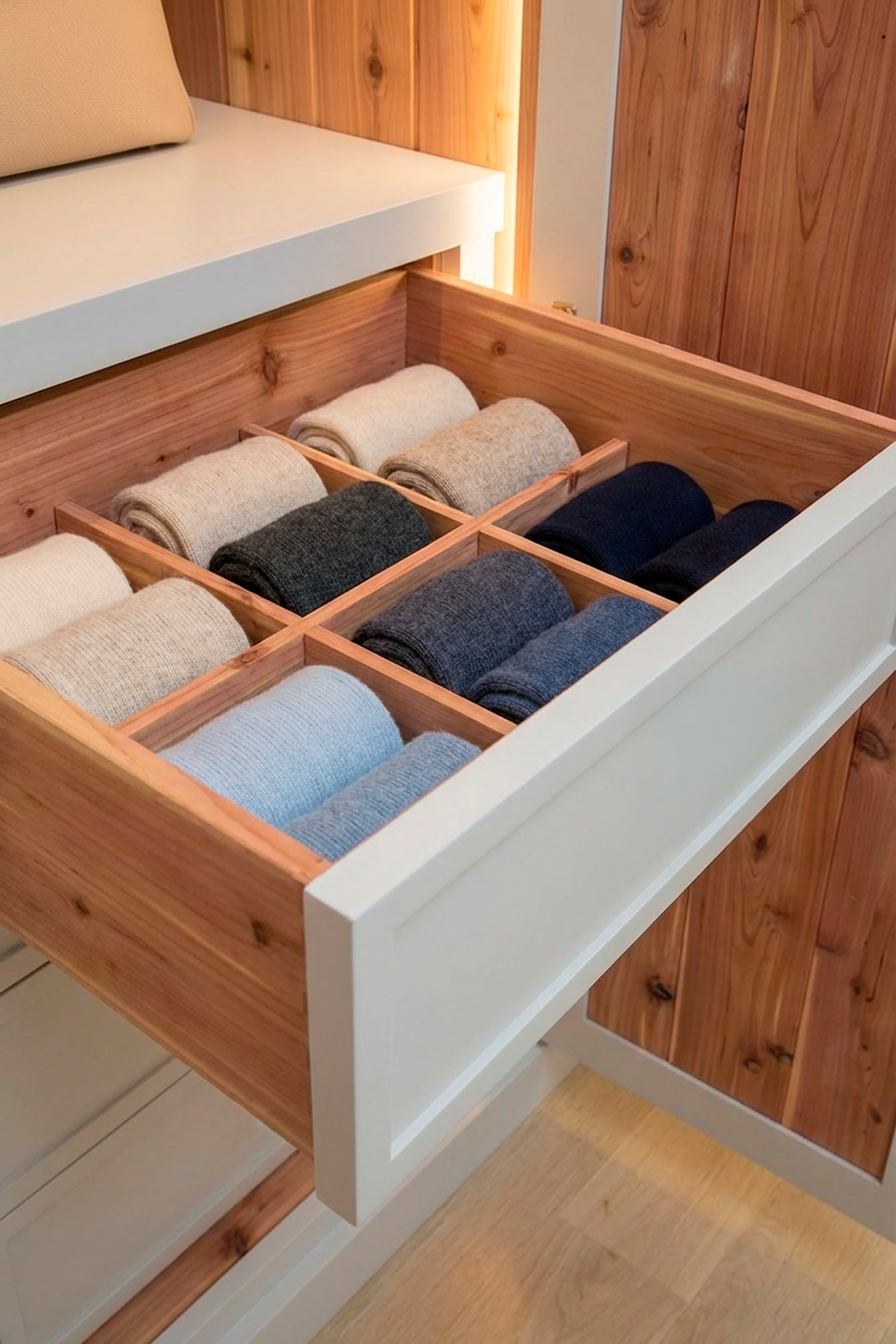
• cedar-lined elements
• stone or lacquer finishes that resist moisture
Sometimes the best solution isn’t decorative — it’s mechanical. Proper HVAC circulation can be the difference between a wardrobe that lasts decades and one that slowly degrades.
Dry Climates: Dust, Static, and Preservation
In desert environments like Los Angeles, Scottsdale, or the Middle East, humidity isn’t the problem.
Dust is.
Fine airborne dust can settle into fabrics, shoes, and handbags surprisingly quickly — particularly in homes that open frequently to outdoor terraces.
In these environments we often recommend:
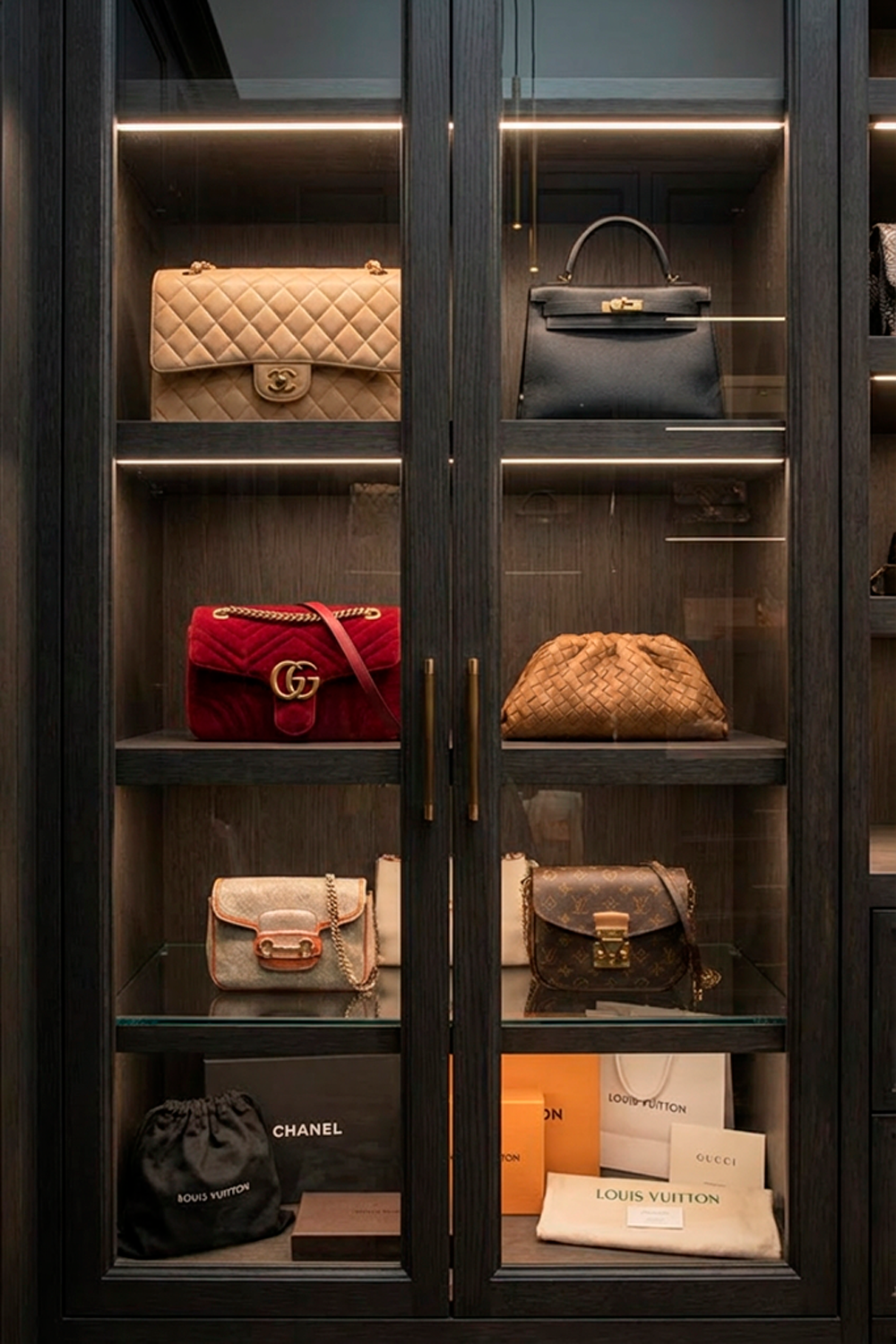
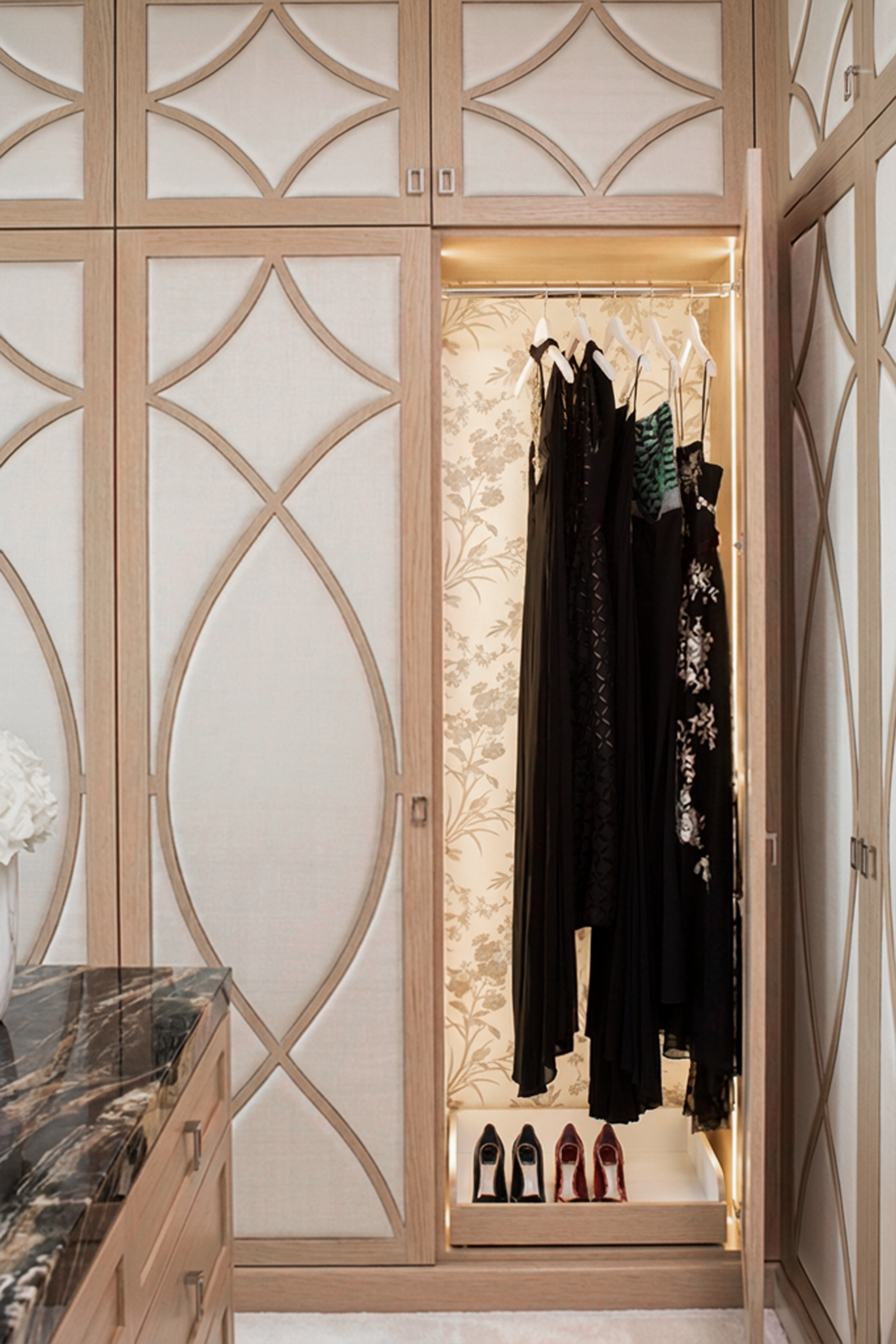
• glass-front cabinetry to protect garments
• fully enclosed wardrobe systems for archival pieces
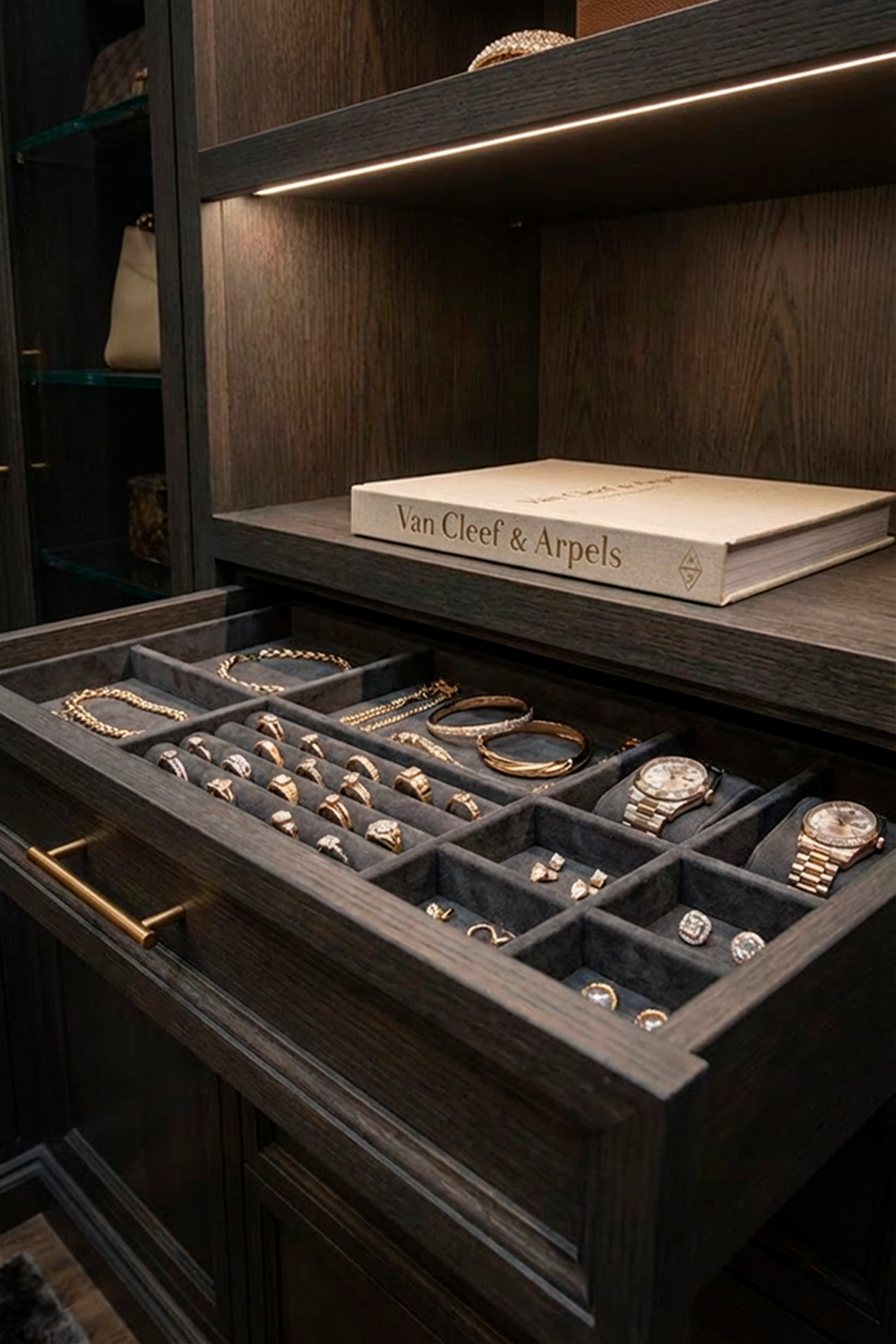
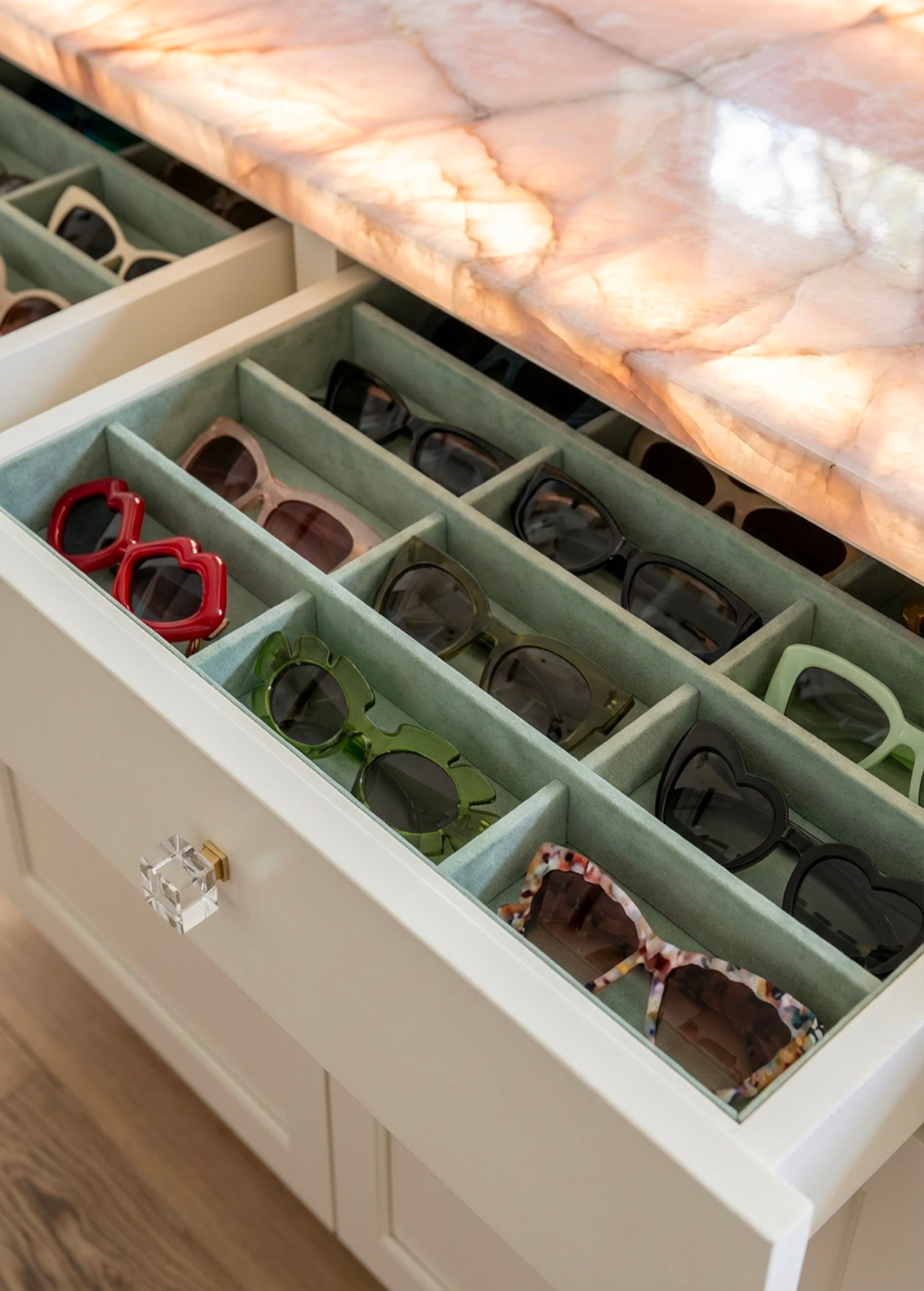
• sealed drawers for accessories
• anti-static materials for delicate fabrics
Luxury closets in dry climates sometimes feel more like boutique display than traditional wardrobes — protecting items while still allowing them to be beautifully showcased.

Cold Weather Cities: Designing for True Seasons
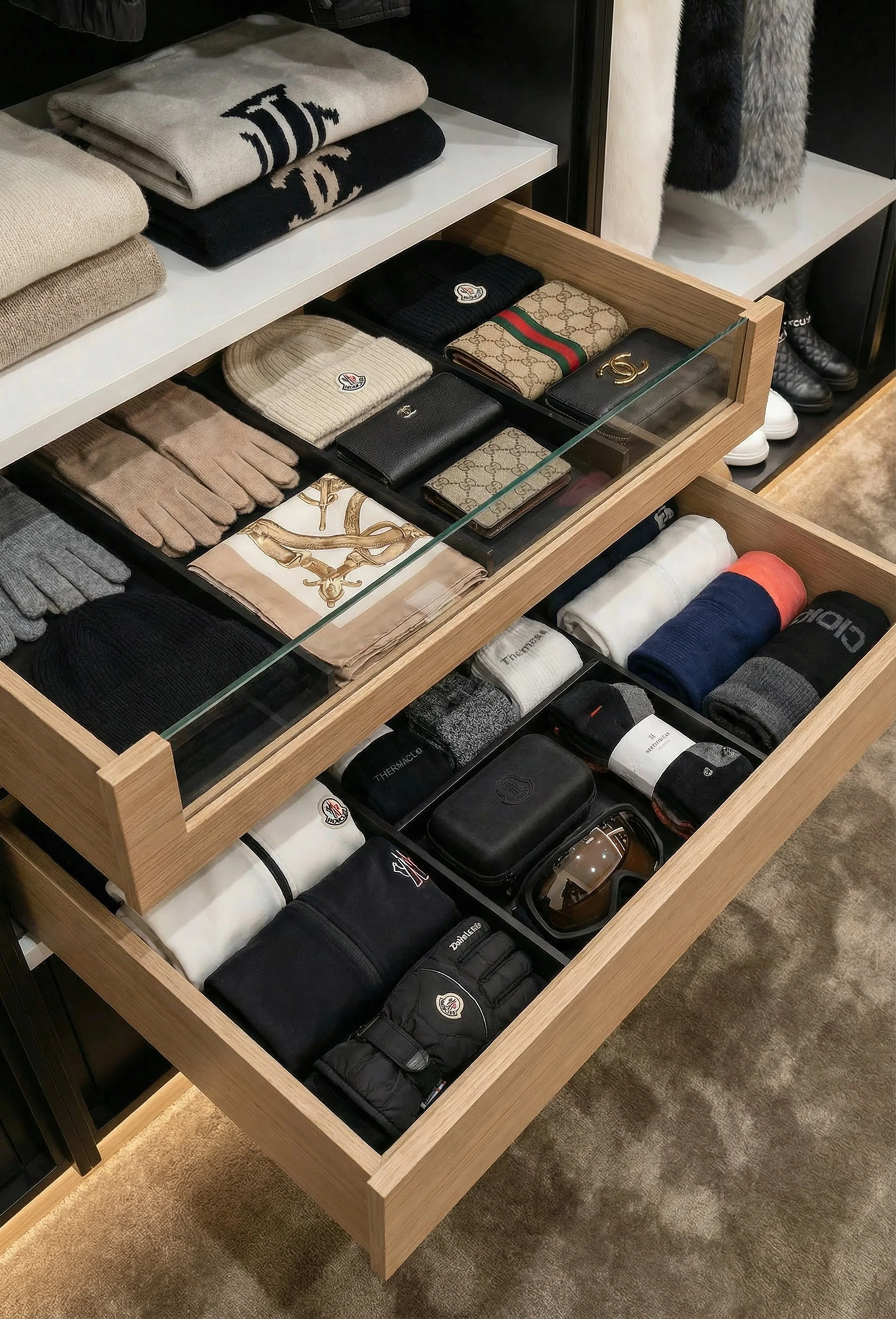
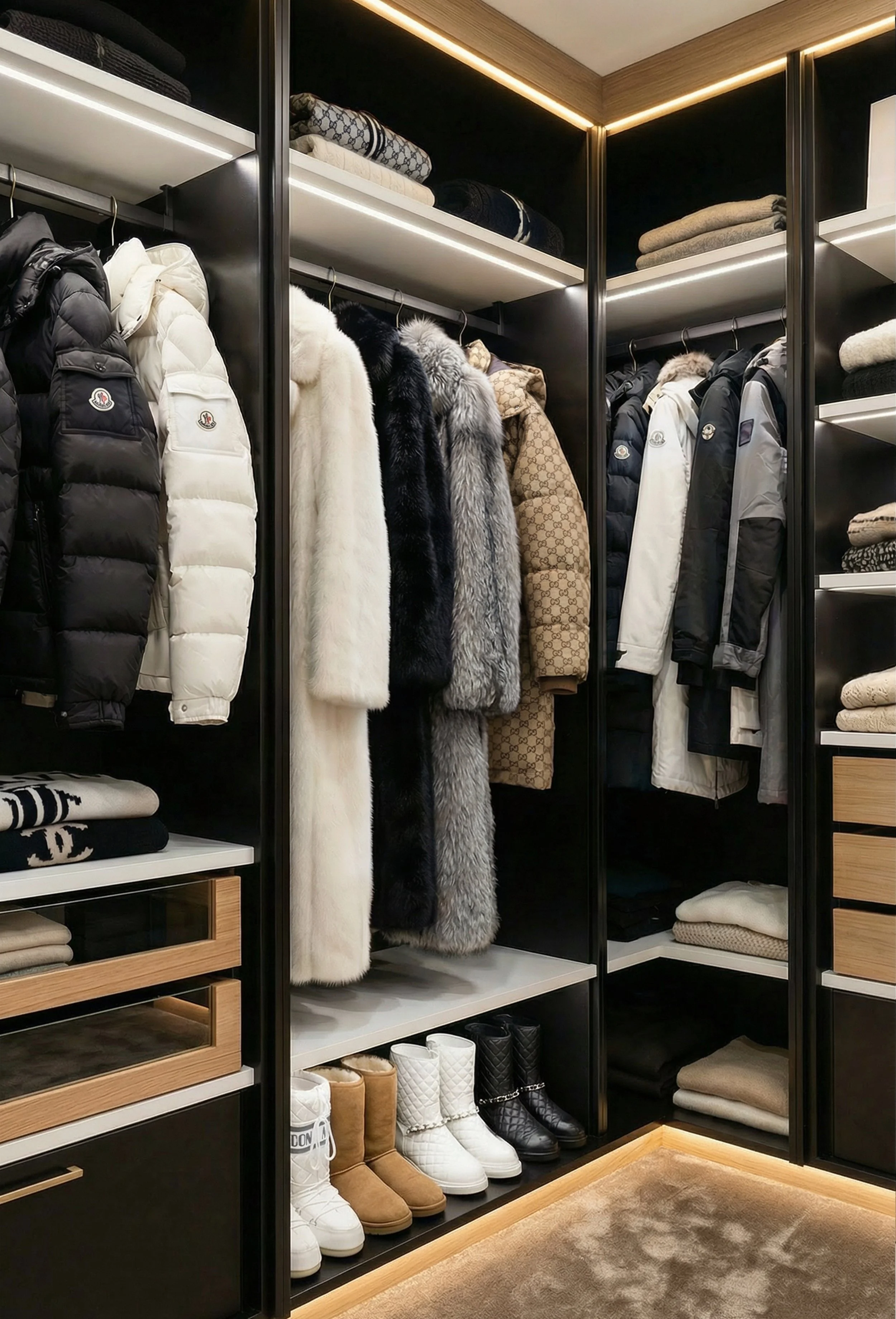
In places with real winter — New York, Chicago, Aspen, or London — closets must handle significant wardrobe rotation.
A closet may need to store:
• heavy wool coats
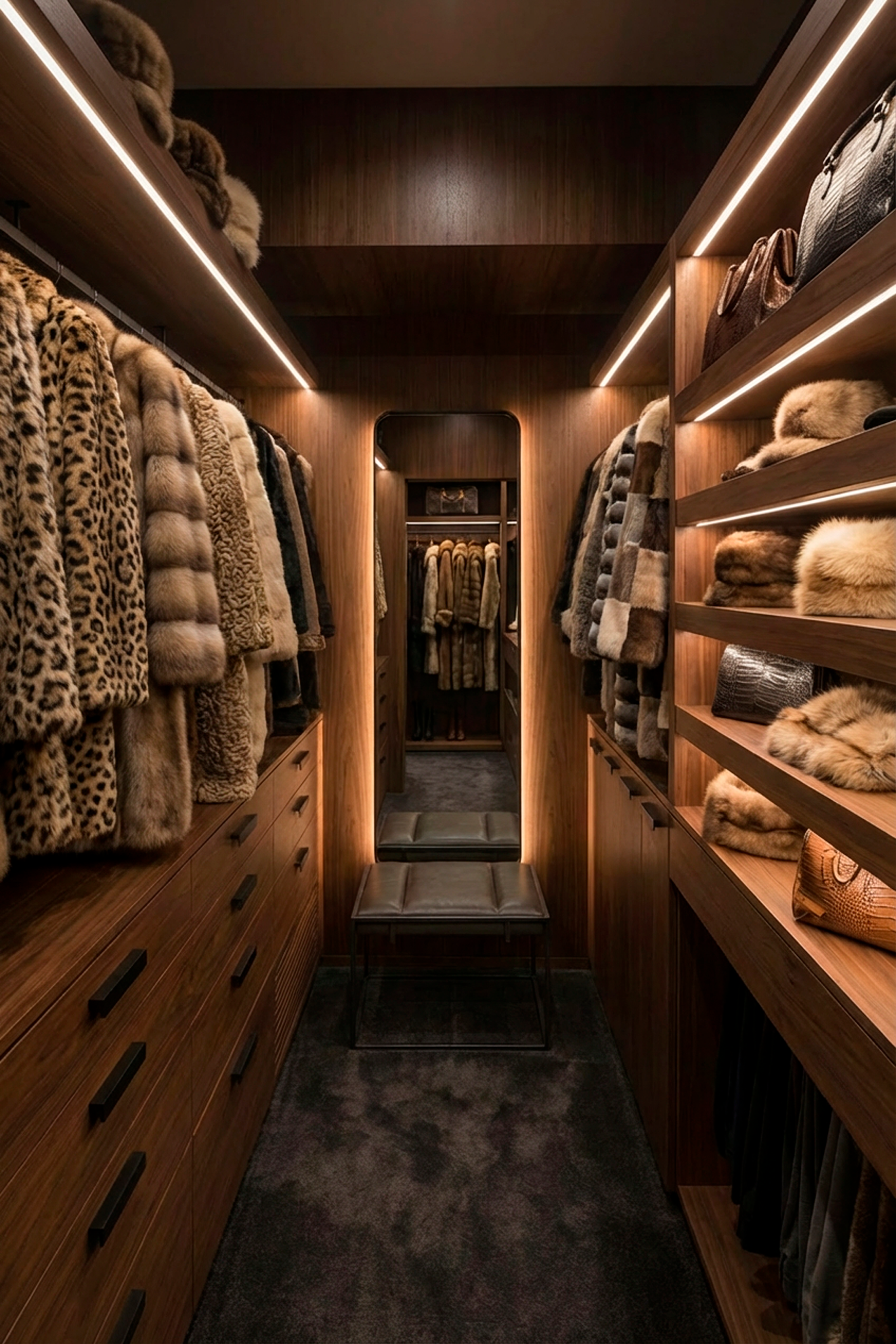
• fur or shearling
• ski wear
• boots with significant shaft height
• summer wardrobes stored off-season
In these homes we design for seasonal flexibility.
Common strategies include:
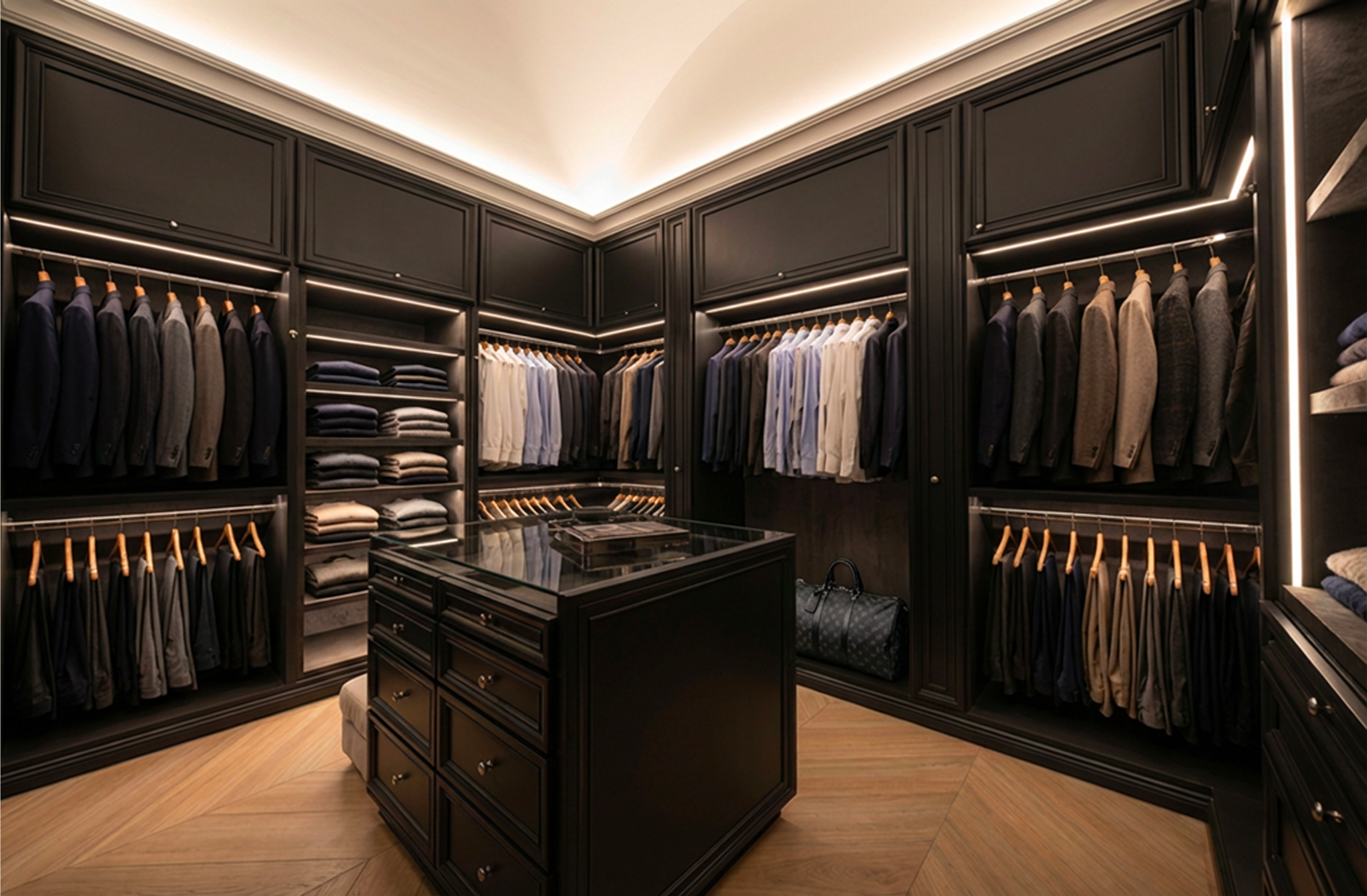
• extra-deep hanging for bulky coats
• boot storage with taller vertical clearances
• dedicated ski and outerwear closets
• upper cabinets designed specifically for off-season storage
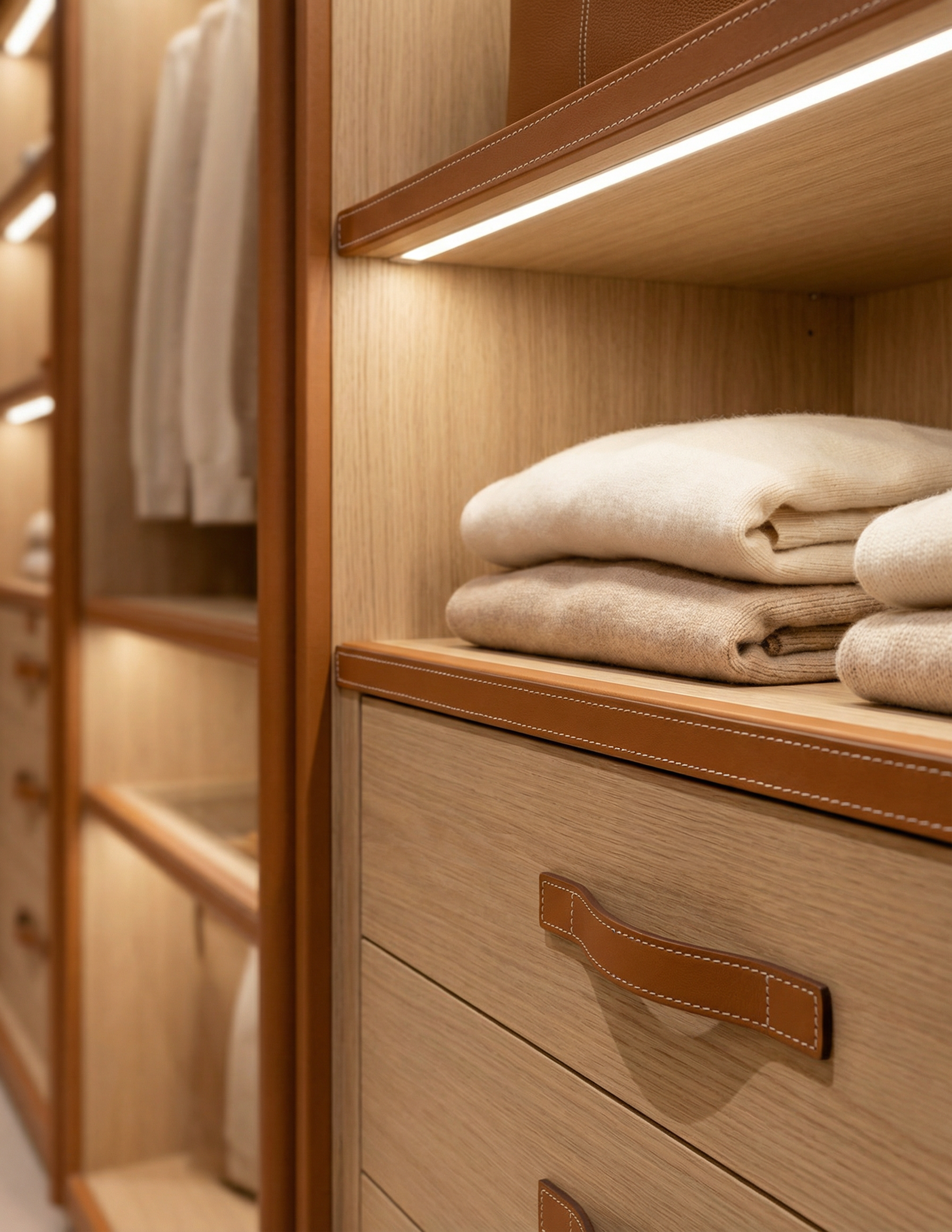
Closets in colder climates become year-round wardrobe management systems, not just dressing rooms.
Tropical & Resort Homes: Airflow and Breathability
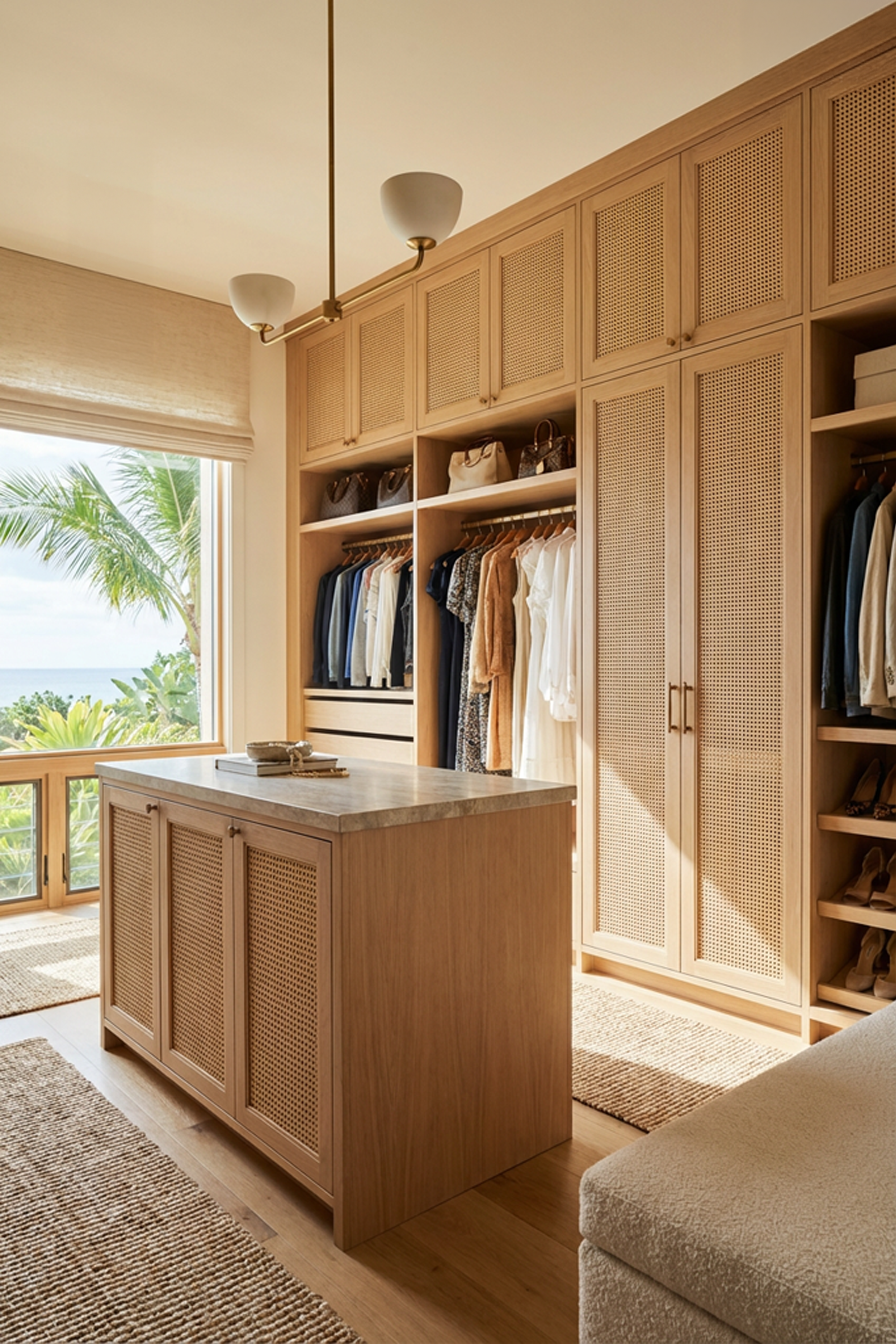
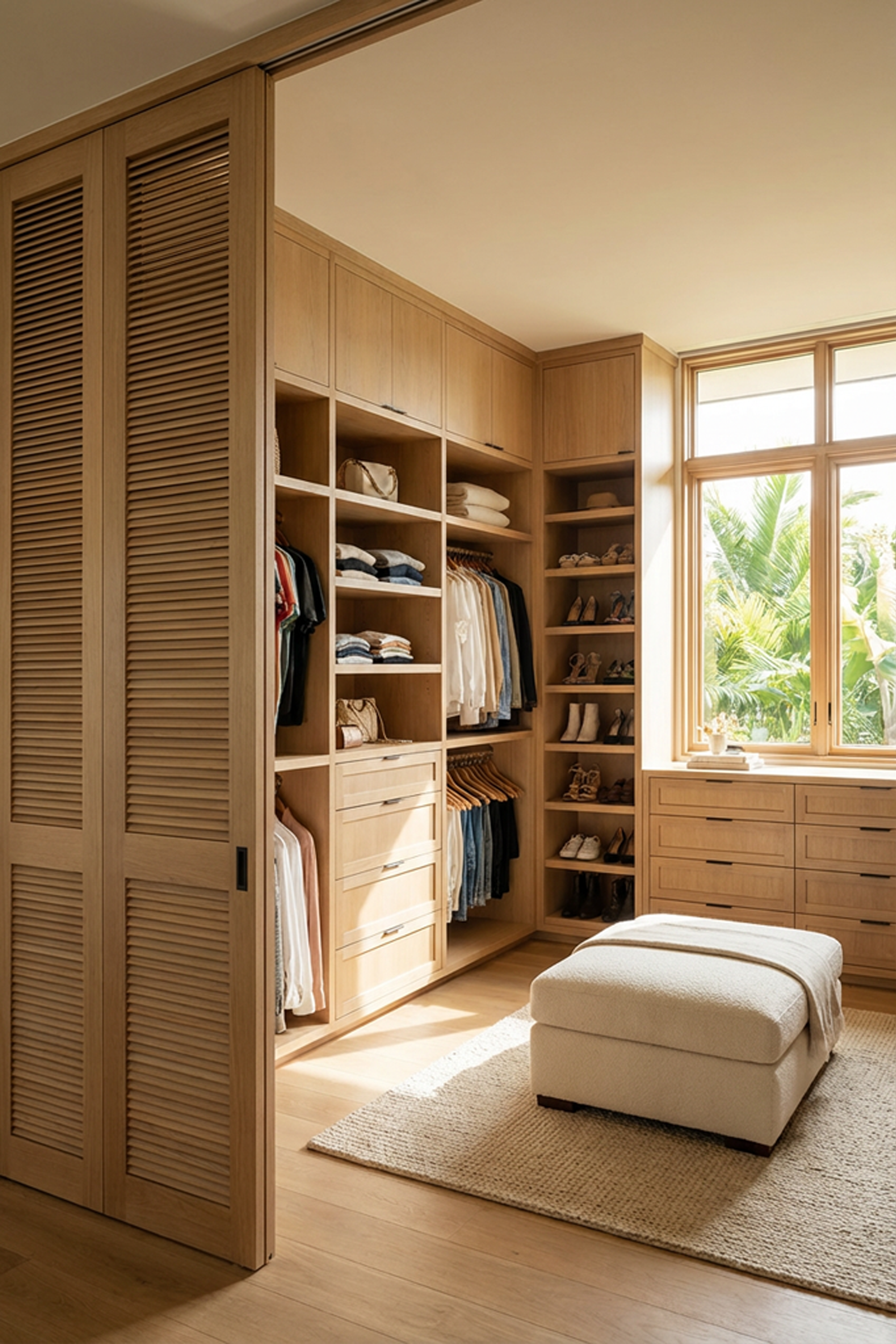
Closets in tropical environments — Caribbean homes, island properties, or resort residences — require special consideration.
Airflow becomes critical.
Fully sealed cabinetry can trap humidity, which is why in these environments we often incorporate:
• louvered doors
• woven or cane panel inserts
• natural materials that breathe
The goal is to allow garments to breathe and maintain proper air circulation.

Urban Living: Maximizing Every Inch
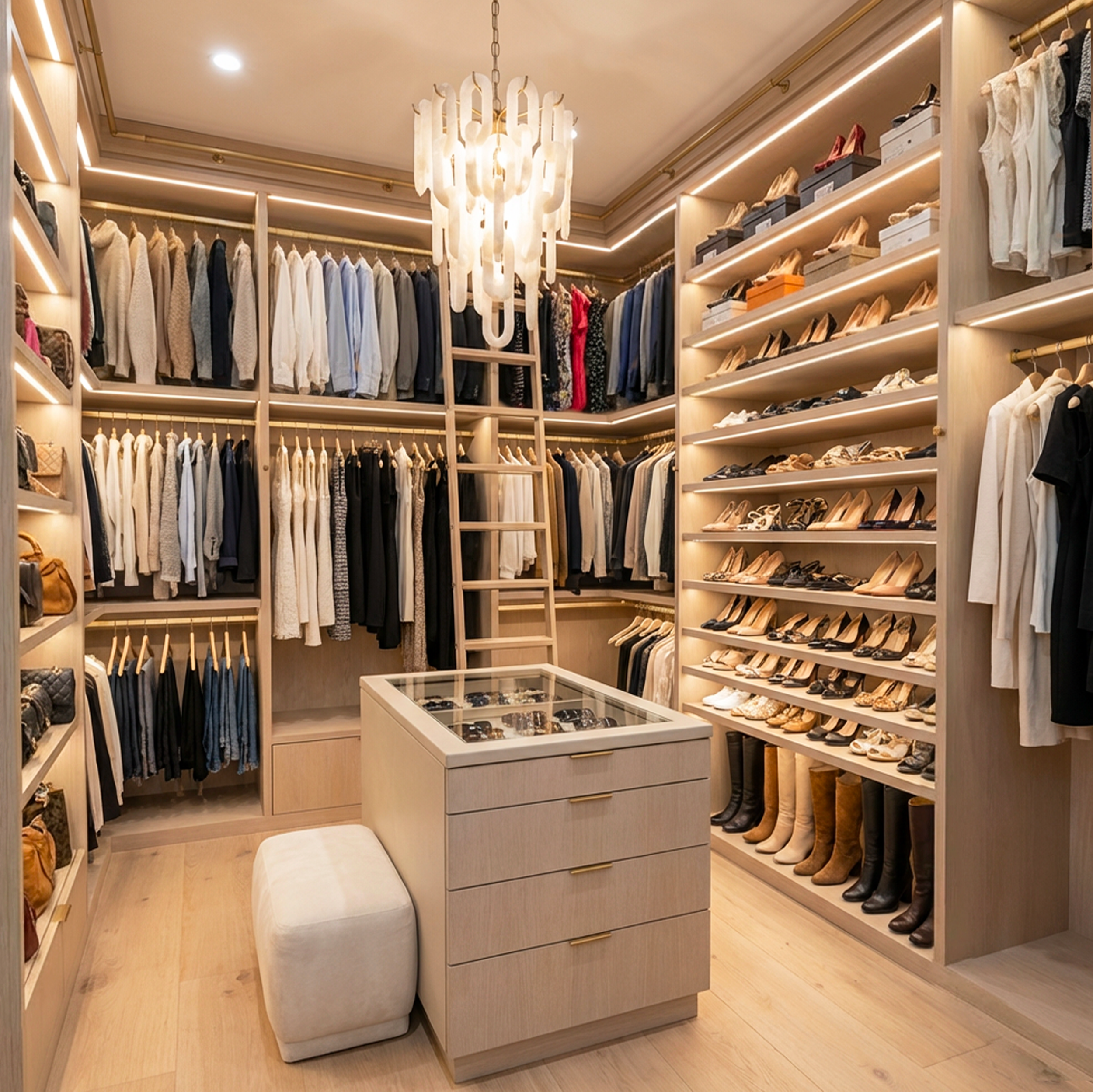
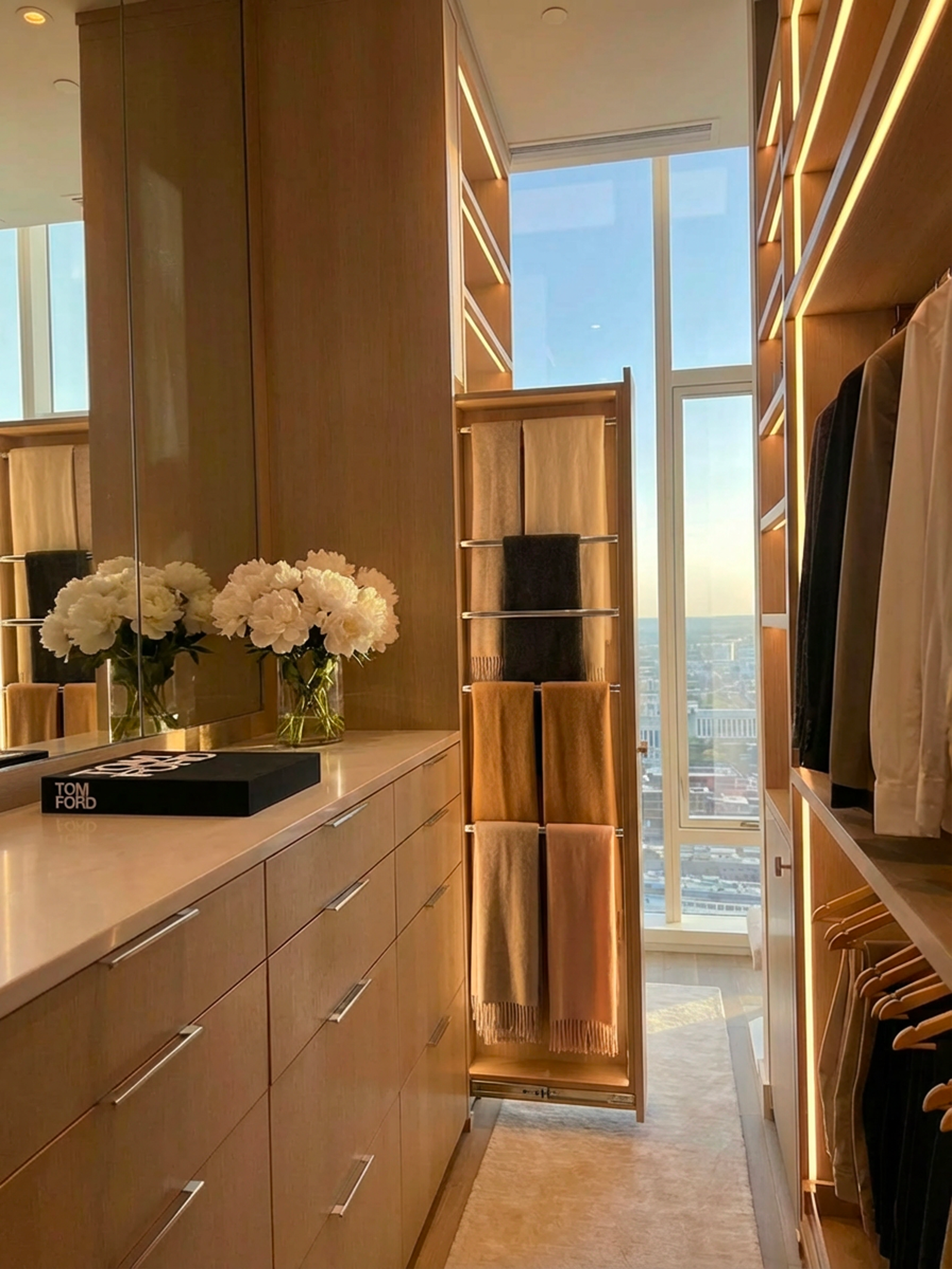
Closets in dense cities — New York, San Francisco, Paris, Tokyo — face a different constraint entirely: space.
Here, thoughtful planning matters more than square footage.
Design strategies often include:
• double and triple hanging areas
• pull-out accessories storage
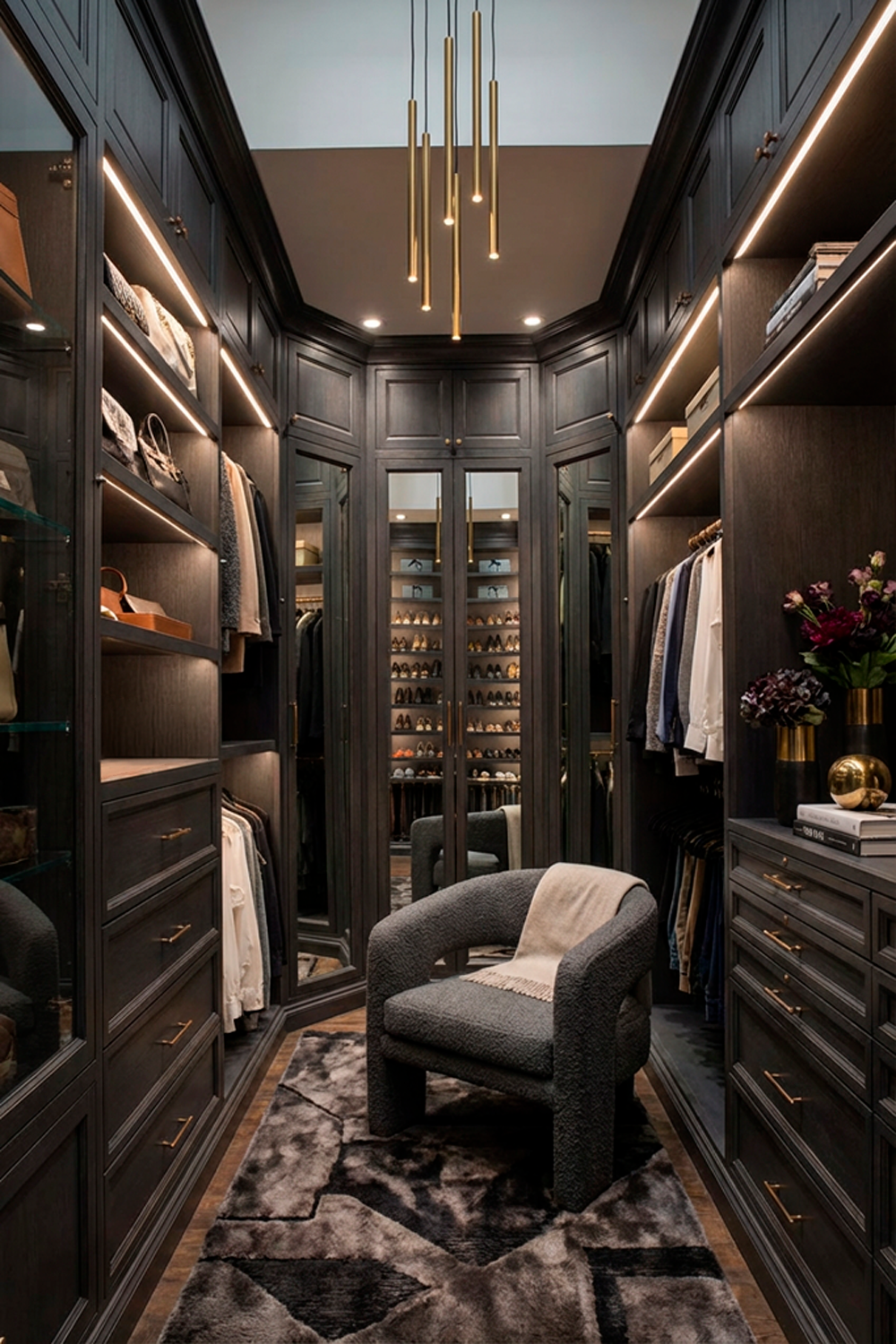
• mirror-backed cabinetry to visually expand the space
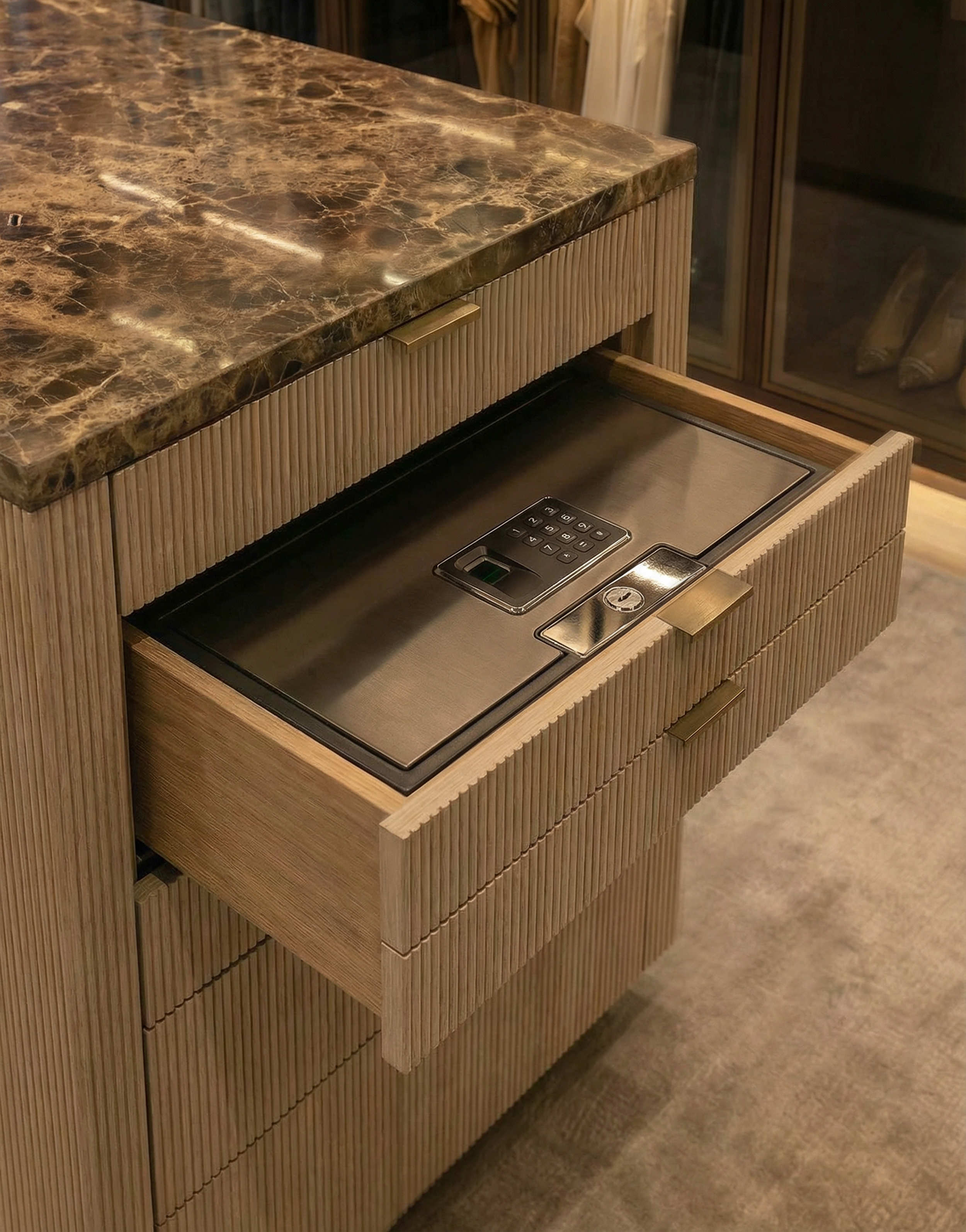
• hidden safes and retractable valet rods
Urban closets become exercises in precision and efficiency, where every inch must perform.

The Takeaway
The best closet design begins with a sense of place.
Climate, architecture, lifestyle, and wardrobe habits all influence how a closet should be built. When these elements are considered together, the result is a wardrobe environment that protects clothing, simplifies daily routines, and feels seamlessly connected to the home itself.
Because in the end, the most luxurious closets aren’t just beautiful. They’re designed for how we live.